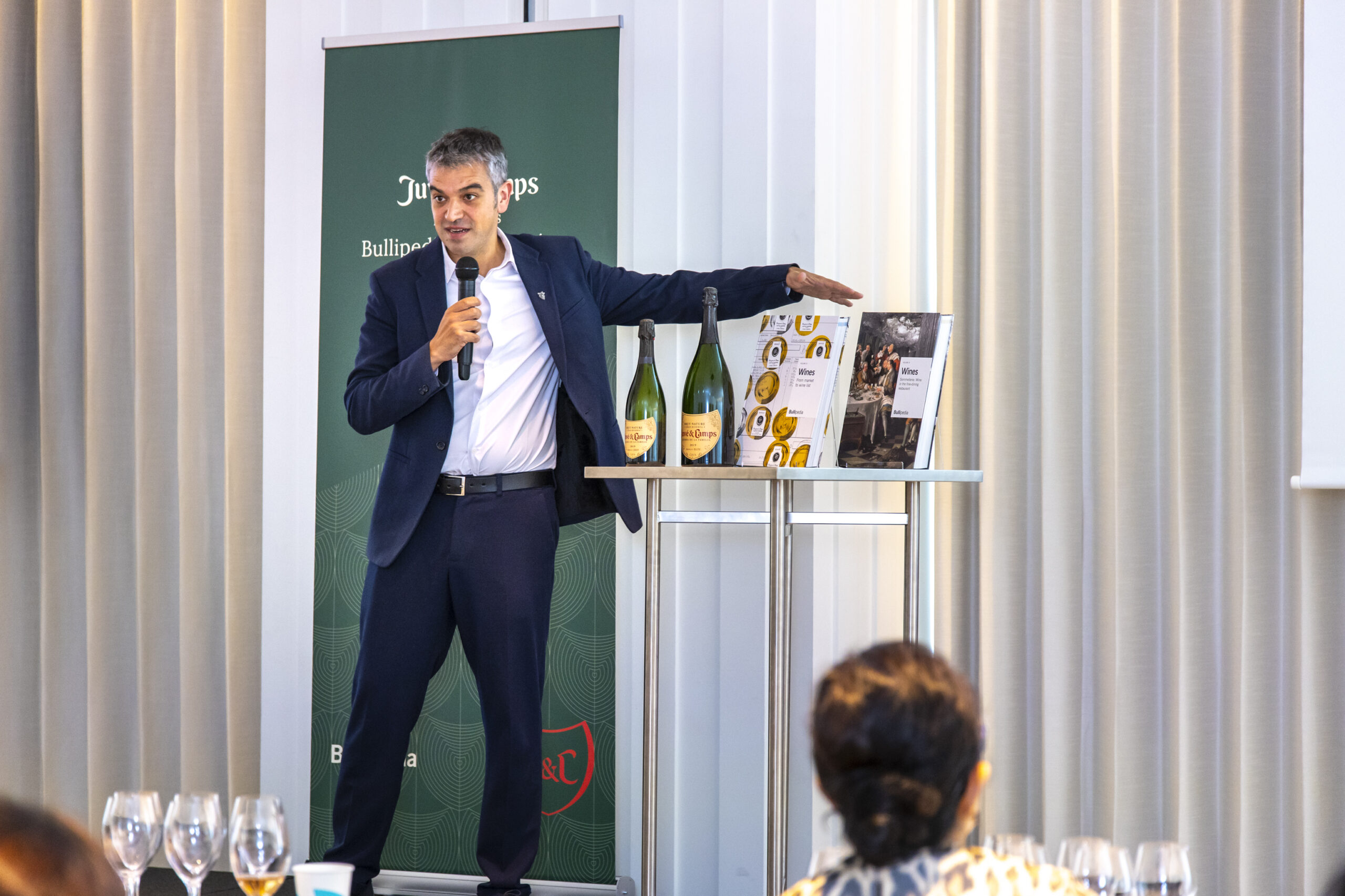
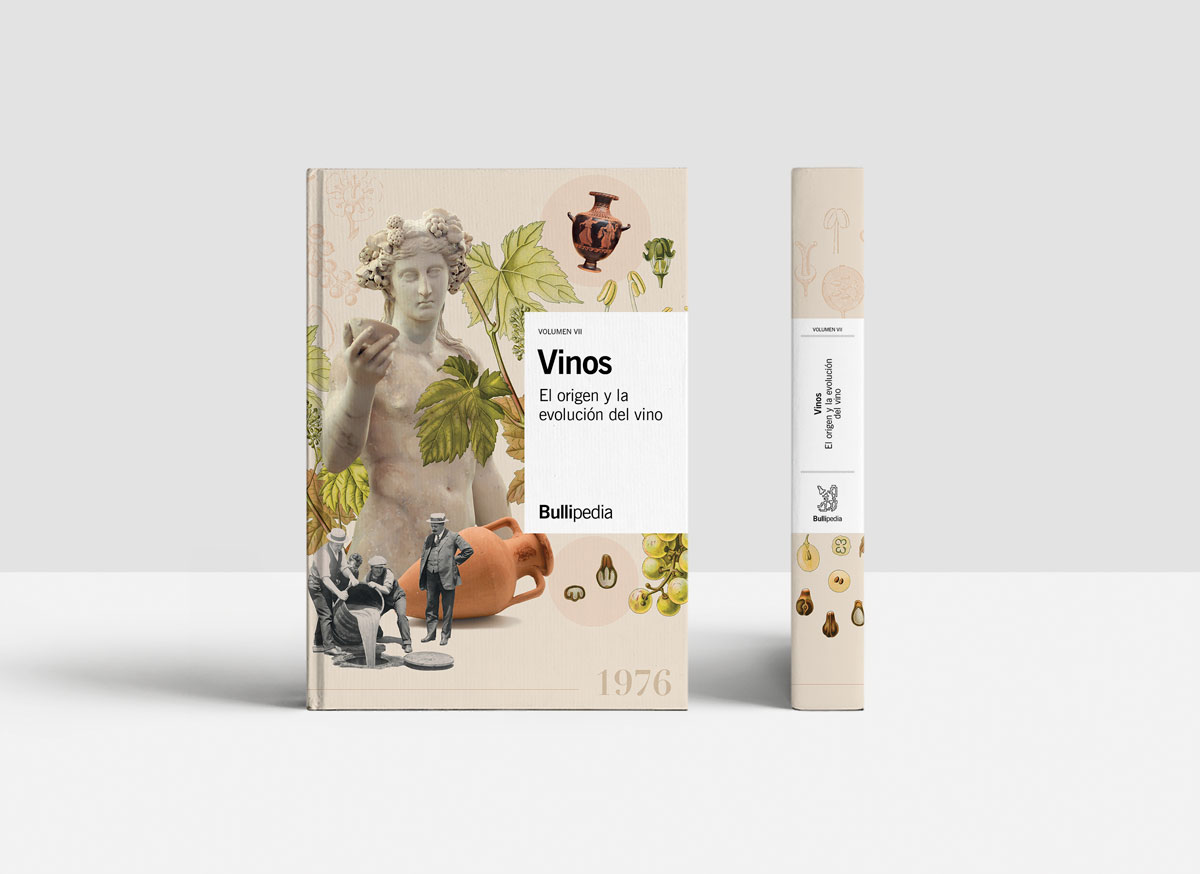
Volume VII of Wine Sapiens explores the origin and evolution of wine. The work is structured around five key aspects of the product: the grape vine, the wine itself, the market, wine service and the wine experience. The volume’s 15 chapters range from the discovery of grape fossils dating back 66 million years to the oenological revolution at the end of the 20th century, driven by E. Peynaud.
This structure we have chosen for the volume, of five large blocks, permits readers to pick and choose according to their own interests. For example, a winegrower may focus solely on the grape section to learn about agricultural practices and the evolution of Vitis vinifera; a winemaker can focus on the section relating to the elaboration of the product to understand production methods; and a sommelier may wish to concentrate on wine service and the drinking experience.
This volume is the one to turn to if you have a curiosity to learn about the first “drunken monkeys”, or wish to relive the mystical experiences of the Paleolithic tribes, visit the first Neolithic cellars and study the oldest vessels that have held wine.
We traverse the centuries, returning to the ancient civilizations to discover Sargon, perhaps the first sommelier. We pay a visit to the sumptuous world of wine in the courts of the early pharaohs, and study the viticultural teachings of Greek philosophers. We take sail with the Phoenicians, our boats loaded with wine-filled amphorae, and browse the first wine guide, written by Pliny in 77 AD.
The Middle Ages are less dark for wine than we are usually led to believe. We sample the handiwork of peasant farmers and peruse the texts of the ancient monks to understand what the wines of medieval times were like. The appearance of Arnau de Vilanova and his discovery of distillation will modify its taste. We pay a visit to the taverns, among ordinary wines, hearty stews, games of doubtful reputation, and the occasional punch-up.
From these ancient taverns, we explore how wine evolved during the Renaissance. Trade takes the wine across oceans on galleons, and winemaking takes on an artistic bent, savoured in the finest, most delicate Murano glassware.
With the passage of time, wine increasingly takes on the appearance of the substance we know today, following the industrialisation of glassmaking, scientific advances in ampelography and oenology, and the work of Pasteur, Lavoisier, Gay-Lussac and Simón Rojas Clemente.
After combating phylloxera, mildew and powdery mildew, the volume ends with a study of wine between the wars, the banning of alcohol during Prohibition and a discussion of French wine hegemony during the wine tasting competition of 1976, known as the Judgment of Paris.
In short, this is a history of wine written using the Sapiens Method to organise and deepen our understanding of how wine has evolved to become the drink most admired by gourmets.