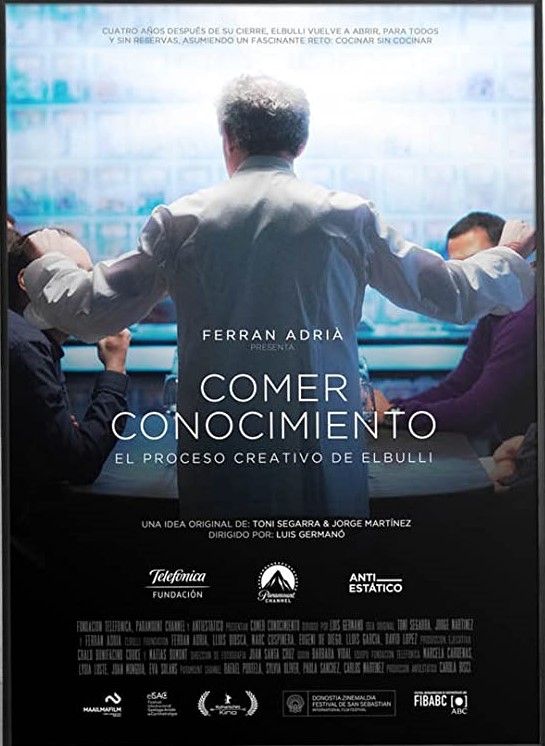
Documentary directed by Luís Germanó and produced by Paramount Channel and Fundación Telefónica. The documentary was shot on 19th February 2015, as an experiment-experience designed as a companion piece for the exhibition titled “Ferran Adria: Auditing the Creative Process“.
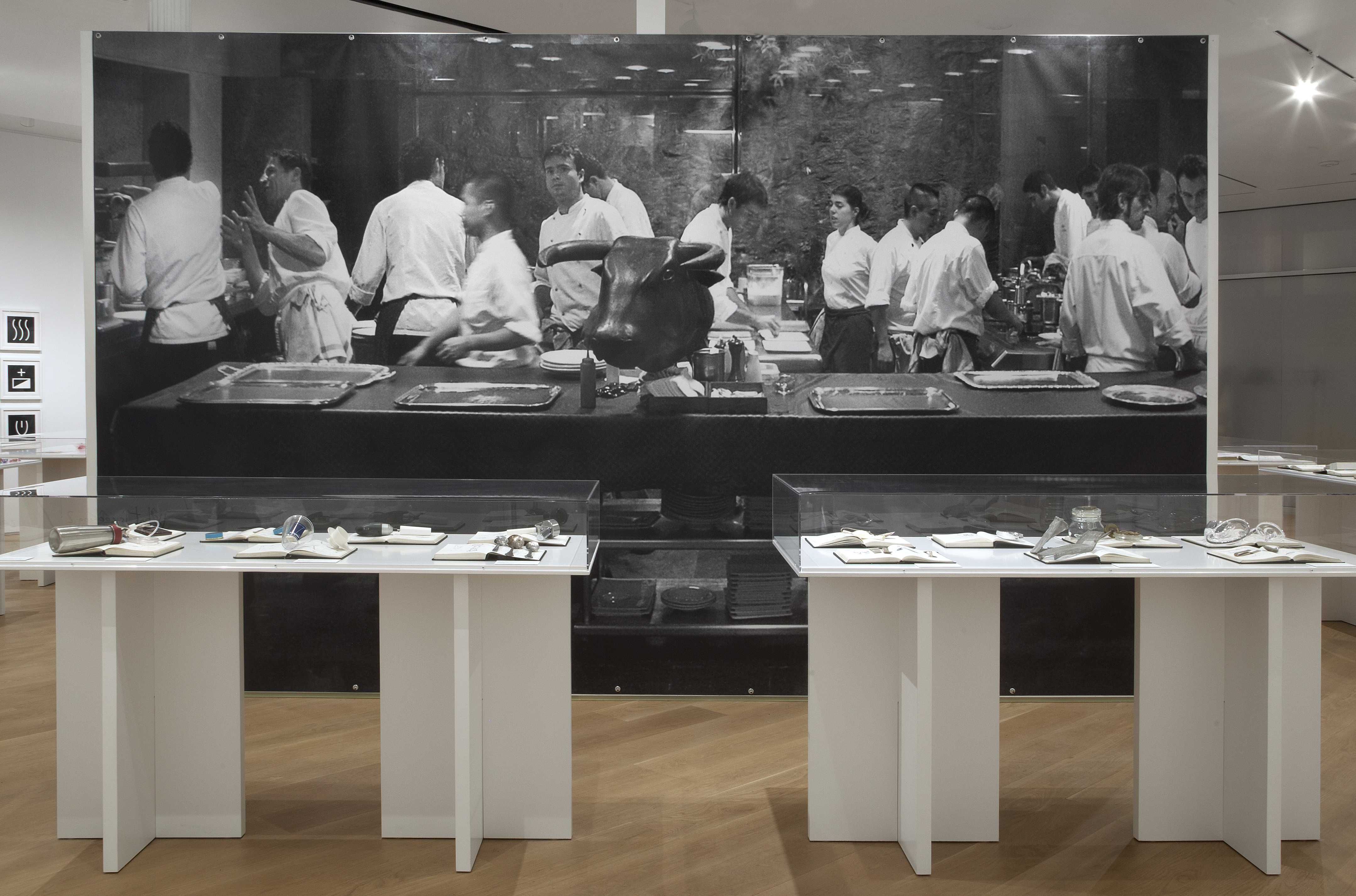
The documentary relates the experience of eight diners placed around a table that served as a replica of the former elBullirestaurante, located in the Espacio Fundación Telefónica, where the exhibition was held.
The diners sampled a conceptual tasting menu, while learning from Ferran Adrià about how the creative process of elBullirestaurante developed. The documentary took part in the “Culinary Zinema: Cinema and Gastronomy” section of the 63rd edition of the San Sebastian Film Festival.
The third architectural and conceptual project for elBullifoundation in the Cala Montjoi site (which was later rejected), detailing the story of the project from the moment of elBullirestaurante’s closure on 30th July 2011, right up to the building’s transformation into elBullifoundation, was exhibited at the Palau Robert in Barcelona between June and August 2014.
The exhibition gave prominence to the three main projects undertaken by the foundation: elBulli1846 – an exhibition space devoted to the presentation of the architectural project with all its plans and modelling; elBulliDNA – a investigative project directed towards the themes of creation and innovation, made up of research teams comprising multidisciplinary talents and capacities; and Bullipedia – a project to create an encyclopaedia of the Western fine dining sector.
Sapiens is, above all, a way of thinking… the one we follow in elBullifoundation. It is based on the belief that before taking action it is necessary to fully understand a given subject. Sapiens is a commitment to a generalist and transversal approach at a time when short-termism and specialisation are predominant mindsets.
Based on systems thinking and systems theory, Sapiens is a methodology for research, for connecting different fields of knowledge and understanding through a holistic and systemic vision. The fundamental concept is simple (… that everything is connected), but the theory is complex. We also have a commitment to publishing our results and making them accessible to the general public.
Sapiens has particular principles and methods. The precision of processes, phases, techniques and tools varies depending on the topic studied, given that some need more input from one particular type of knowledge, while others may not require everything that was originally planned. Sapiens is a flexible methodology in which the details of its application have to be defined for each investigation.
The ultimate goal of Sapiens may simply be to manage information, knowledge and learning. However, it is also a tool for education, communication, for improving quality, efficiency and the ability to create and innovate. An in-depth understanding of a given topic is the basis from which we work to achieve these goals.
Sapiens is the guiding light that informs all elBullifoundation projects.
An international tour organised by Phaidon visiting the United States, Canada, Australia, the United Kingdom and China to present the English and Chinese versions of the elBulli General Catalogue 2005-2011.
Canada (March 2014): Vancouver and Toronto.
The United States (March 2014): Seattle, New York and Chicago.
Australia (April 2014): Perth, Sydney, Brisbane and Melbourne
The United Kingdom (June 2014): London
China (October 2015): Shanghai, Shenzhen and Hong Kong.
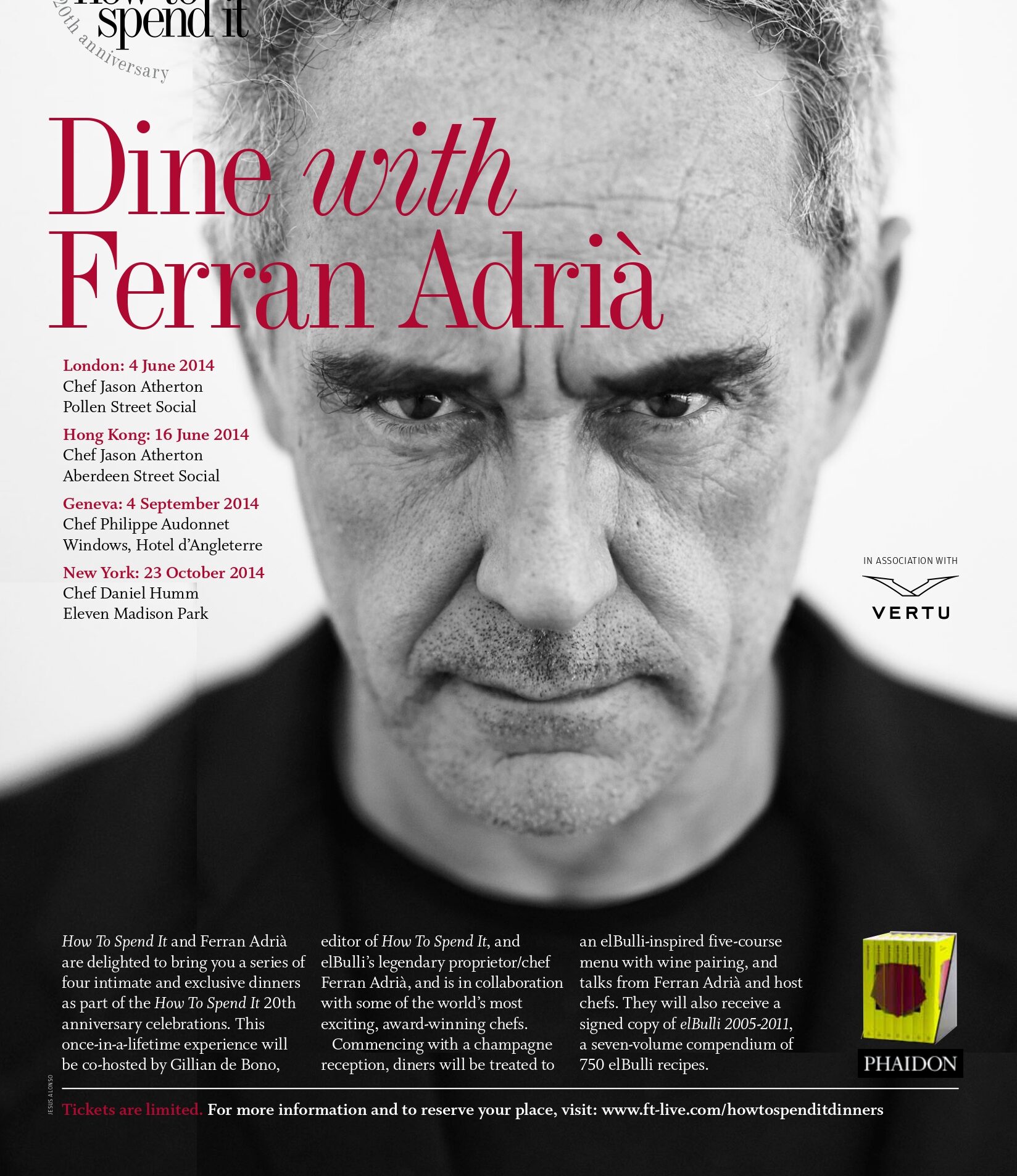
elBulli 2005-2011: How To Spend It Hong Kong Dinner
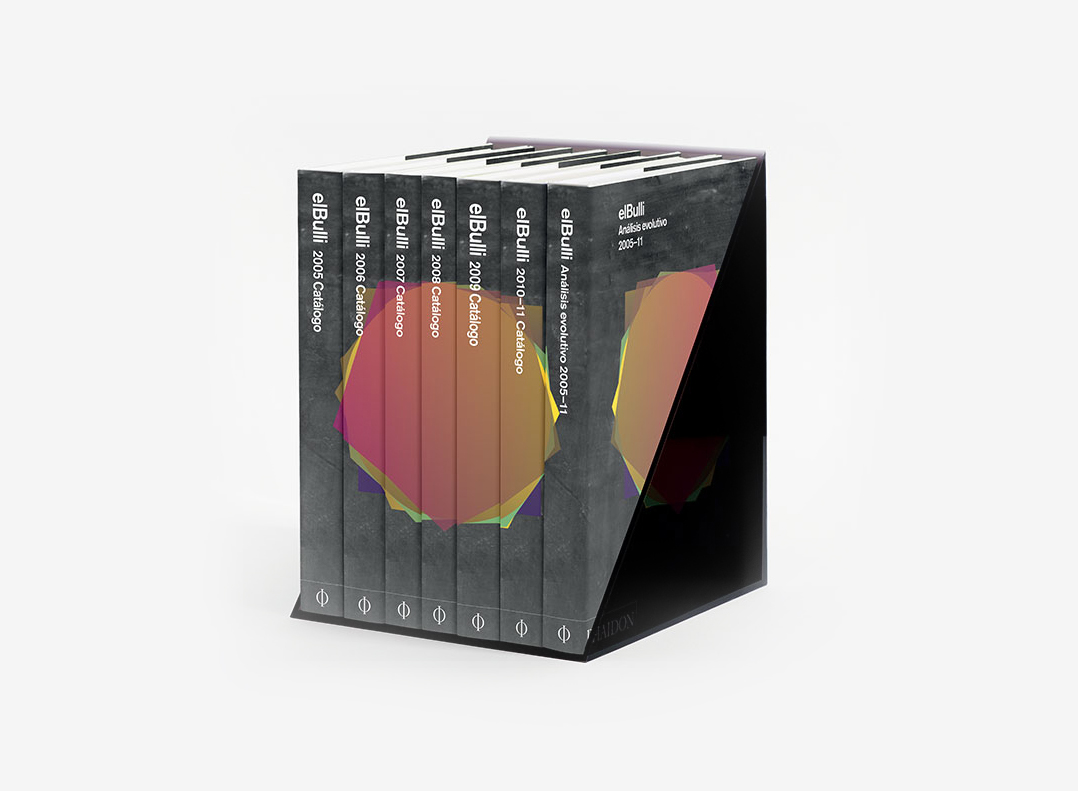
The elBulli General Catalogue 2005-2011 is published, a global project carried out in three languages by the publishing house Phaidon: in English (2014), Chinese (2015) and Spanish (2016).
elBulli General Catalogue 2005-2011 constitutes the end of a project that began in 2002 with the publication of the first volumes of the General Catalogue, and continued in 2003 and 2004. The last edition completes a 10,000-page work detailing all the dishes served at elBullirestaurante from 1987 to 2011, containing, in addition, an analysis of the evolution of dishes from 1983. It is an essential work for understanding elBulli.
During the period of just over three years (April 2014 – June 2017), elBulliLab functioned as a research centre, located in a 1,500m² workspace on Carrer de Méxic 17, in Barcelona.
At elBulliLab, which could be conceived of as a pop-up lab, we dedicated ourselves to building the best possible ecosystem to promote efficiency and develop a durable creative system that incorporates immediacy, flexibility, a focused concentration, multitasking and related skills – fundamental themes for the restaurant world – into our research and analysis.
Within this ecosystem, we found that knowledge is key to the creative system. We used fine dining as a language, constantly contextualising it in relation to other professions, industrial sectors and academic disciplines.
We classified gastronomy with a view to learning what information was needed to understand it, then took this as a starting point for gathering knowledge. This work resulted in the Sapiens methodology, itself a product of elBulliLab.
Content was also created at elBulliLab and published in different formats: books, apps, exhibitions, etc. Subsequently, the results of this research has been reproduced as curated content, designed to contextualise and understand any given project. This curated content is gradually being edited and published in the creation of Bullipedia.
In 2018 the workspace was converted into LABulligrafía, elBulli’s museum archive, which is both physical (off-line) and digital (on-line). The Sapiens team also occupied part of the workspace in order to carry out the development of the Bullipedia project. Since 2020, the Sapiens team has been working in both LABulligrafía and elBulli1846.
Sapiens for the Western Fine Dining Sector relates to the application of Sapiens methodology to examine this particular theme. Thanks to the holistic vision of this methodology, we are able to perceive that the development of the fine dining sector can occur in three distinct phases: before the opening of the restaurant, while the restaurant is operating and at the time of closure or transformation of the restaurant.
In our case, we focus our study on the period during which the restaurant remains open to the public, although we have also developed a management model exploring the stages prior to its opening. This analysis is based on the identification of tasks, processes and sub-processes.
Sapiens for the Western Fine Dining Sector was the driving force behind the work carried out at elBulliLab in Barcelona from 2014-2017, contextualising the project in relation to other professions, industrial sectors and academic disciplines.
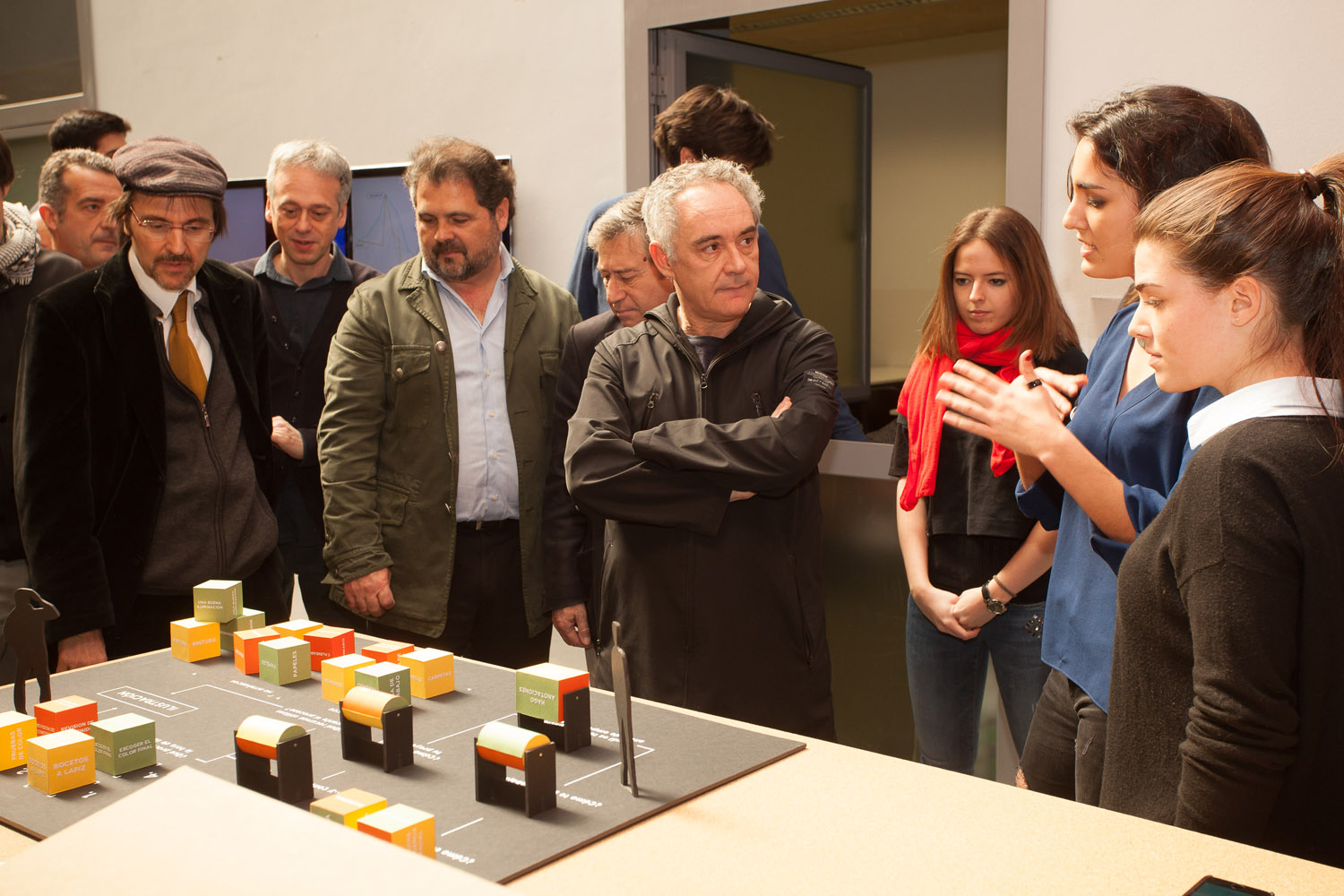
In June 2014, a further challenge was carried out jointly with the Escuela de Diseño e Ingeniería Elisava in Barcelona as part of the collaboration agreement. The mission of this project was to explore conceptually the narrative and exhibitional aspects of the portrayal of the creative process at elBulli1846.
A detailed study examining the potential for future exhibitions and contemplating how to conceptualise an Exhibition Lab vs the more conventional experience of contemporary museums.
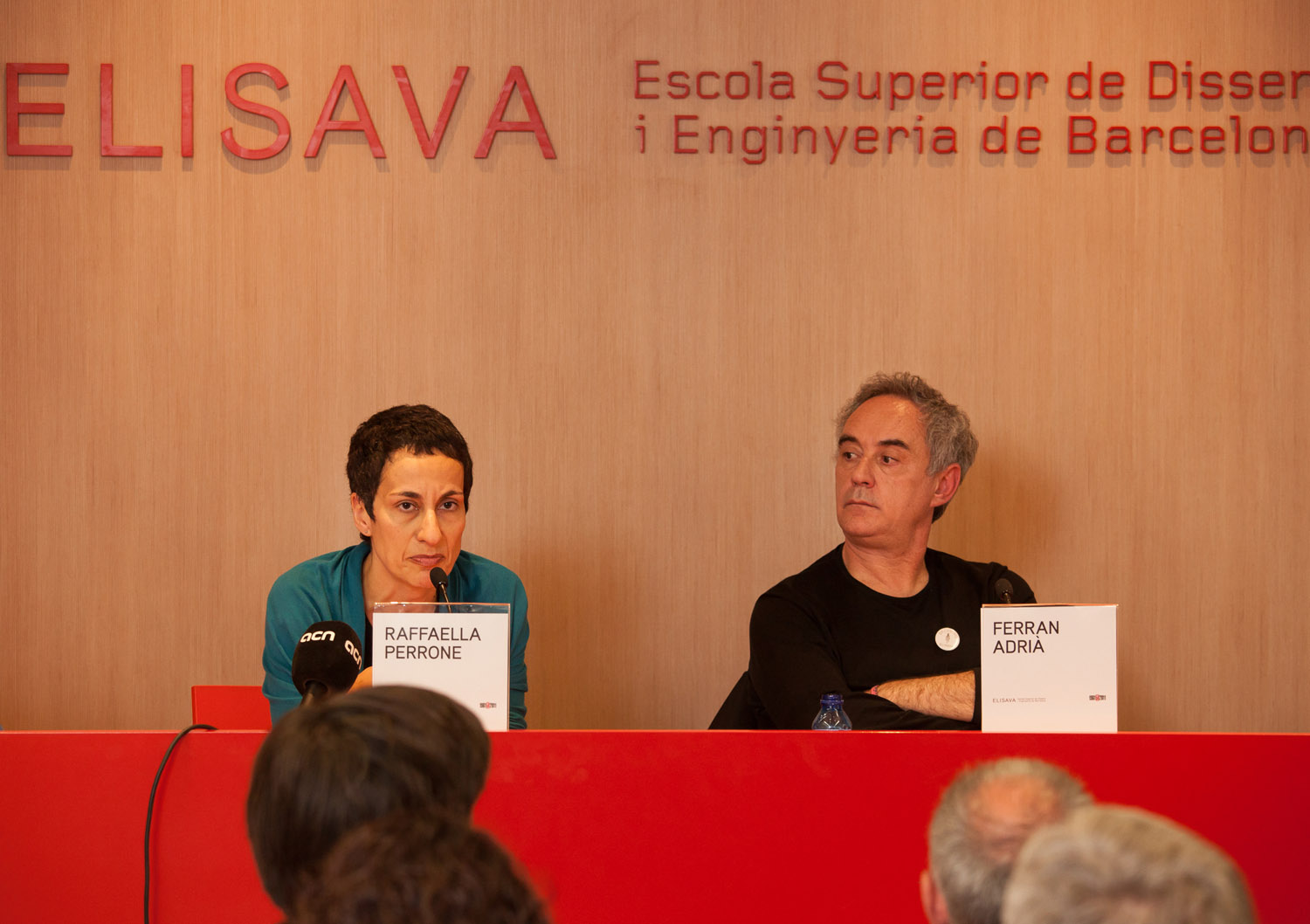
In May 2014, a framework collaboration agreement was established between the Fundación Privada Elisava Escuela Universitaria and elBullifoundation. Its mission was to undertake numerous joint projects to promote and encourage the growth of a culture of design and gastronomy.
One of the first projects to be carried out was a research challenge to evaluate conceptually what a visit to elBulli1846 should articulate in the period before, during and after entering the centre.
A travelling exhibition/installation (July 2014 to March 2016) which, in addition to Barcelona, visited the Spanish cities of Bilbao, Castellón, San Sebastián, Málaga, Gijón, Palma de Mallorca and Valencia and then travelled to the Latin American countries of Guatemala, Panama and Costa Rica.
The exhibition space had 4 interactive areas:
Evolutionary analysis: the evolution of dishes through Kinect technology.
Pictograms: a game linking projections and pictograms used at elBulli.
Creative Process: the different stages in the process of preparing a dish.
Deconstruction: as a gastronomic technique.
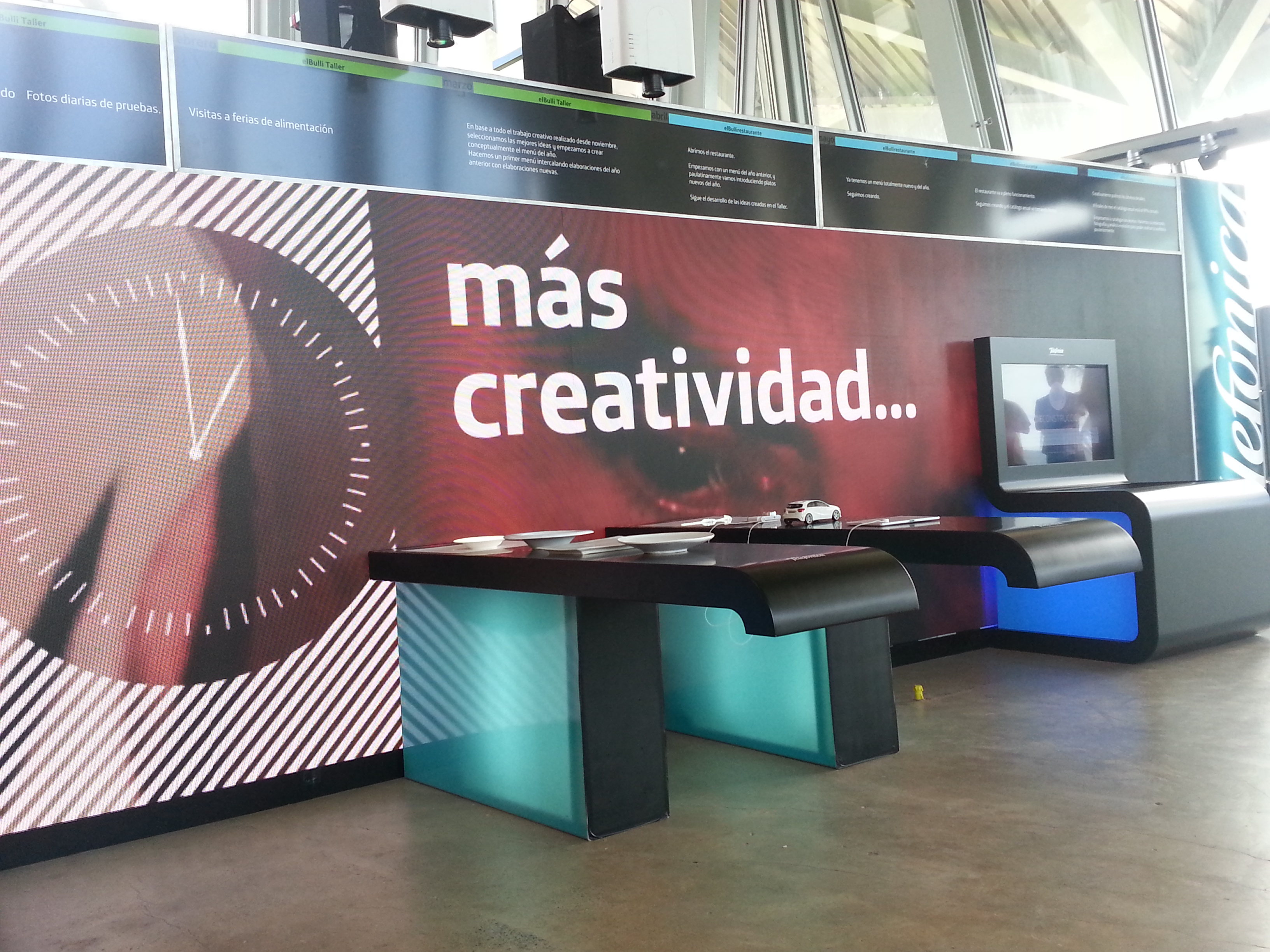
Innovation Space was a project carried out in partnership with Telefónica to explore and reflect on how new technologies, in their relationship with the digital world, can be incorporated within an exhibition setting.
An overview of elBulli’s creative process through the drawings that Ferran Adrià made to conceive his creations, showing how they were then turned into a reality; a predecessor to Auditing the Creative Process. The exhibition also includes a unique vision into the first moments in the history of cooking, emphasising the role of drawing in Ferran Adrià’s quest to understand creativity. This demonstrates how drawing can be used as a philosophical tool to organise and transmit knowledge and meaning, as well as a physical object used to synthesise more than twenty years of innovation in the kitchen.
Curated by Brett Litman, the exhibition premiered in January 2014 at the prestigious The Drawing Center in New York, a compact museum located in a nineteenth-century industrial building in the heart of Soho. The museum is dedicated to the direct dialogue that drawing has with other disciplines (from architecture to science).
Subsequently, the exhibition travelled to art museums located all around the United States (September 2014 to January 2016) and finished its lengthy tour at the Marres House for Contemporary Culture in Maastricht, the Netherlands, from March to June 2016.
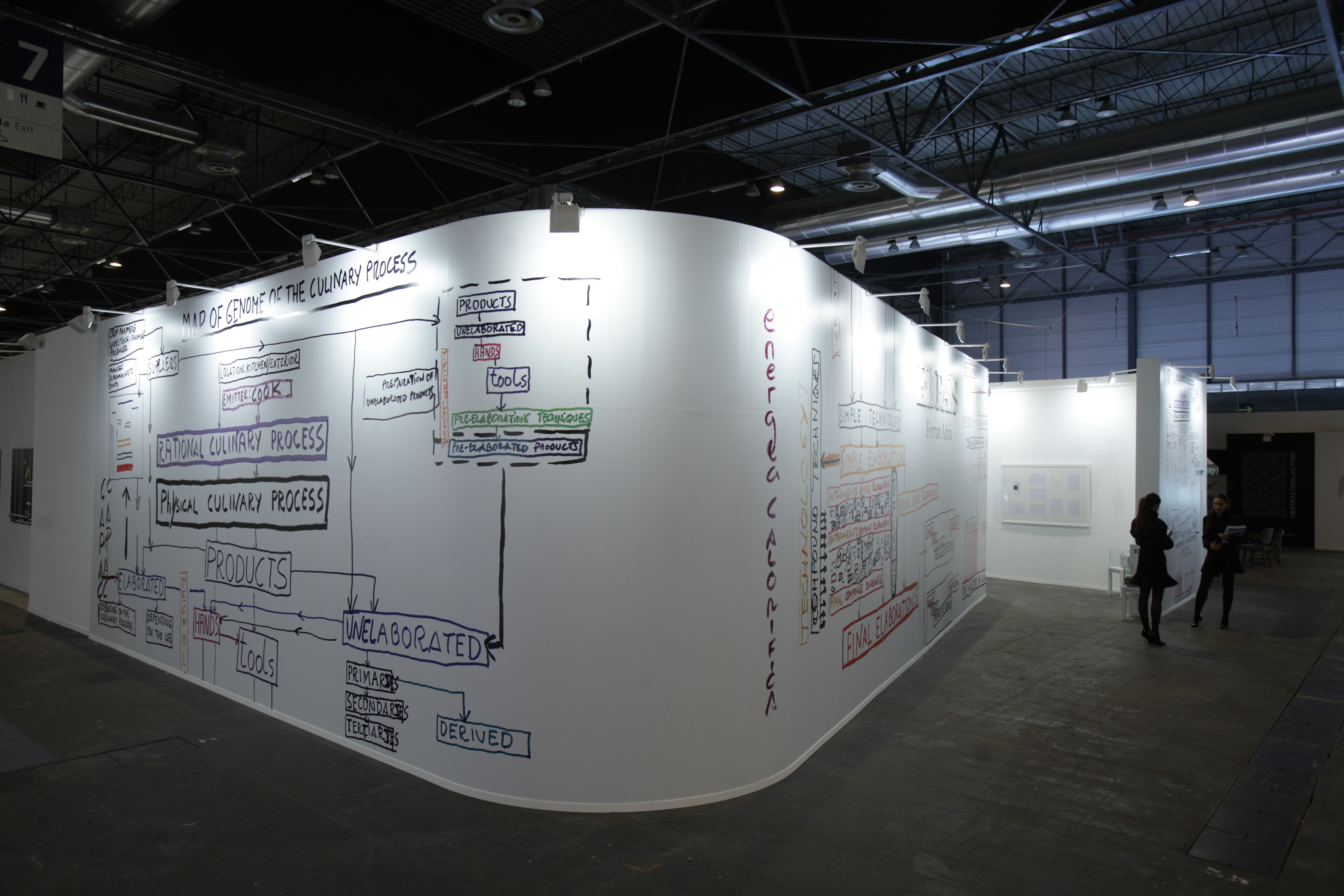
Participation in the International Contemporary Art Fair ARCO in Madrid (in the El País stand, February 2014), in which Ferran Adrià’s drawings and annotations are displayed, outlining the map of the gastronomic process and offering a diagrammatic reflection of the whole evolution of cuisine, from the Big Bang right up to the present time. The show complements an exhibition held concurrently at the Drawing Center in New York.
These exhibitions serve as a prelude and allow us to reflect on our work.
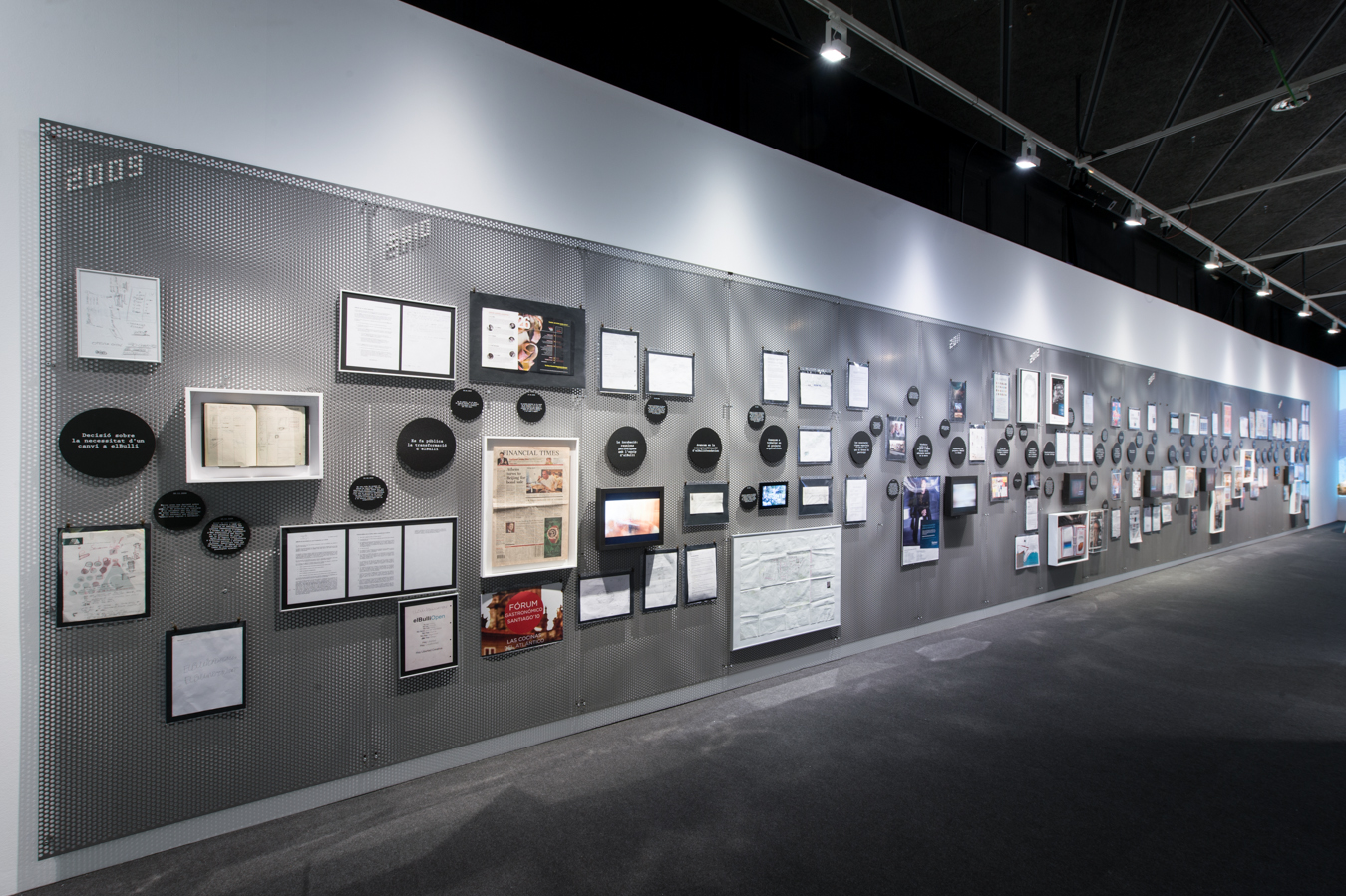
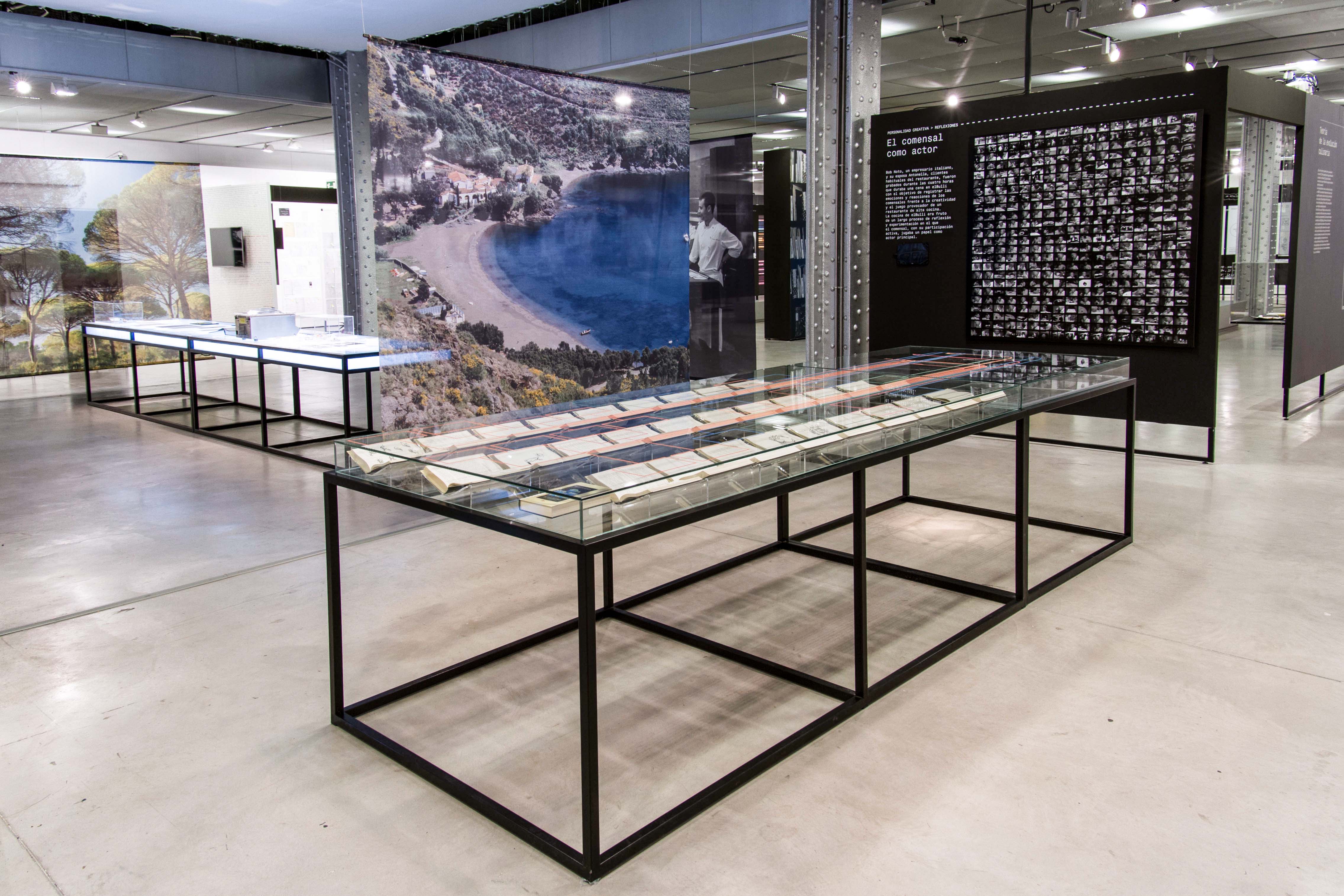
Inaugurated in October 2014, this is an exhibition about the leaders, resources, the creative team culture, the process, and all the elements that enabled elBullirestaurant to develop and maintain a disruptive and innovative creative system for over two decades. This is the story of the creative system of elBullirestaurant, now the seed of LABulligrafía.
Auditing the Creative Process was not solely a gastronomic exhibition, but rather a tour in which the visitor was immersed in the creative universe of Ferran Adrià. Housed in an exhibition space of almost 1,000 m2, the exhibition is dedicated to unravelling the creative process and interpreting the model of elBulli, inviting visitors to reflect on their own creative profile.
A multidisciplinary team worked for more than a year to mount this exhibition, under the coordination of Ferran Adrià and a team from Fundación Telefónica. Maps were created for the exhibition by Bestiario, a company specialised in data visualisation; the design of the exhibition was by Olga Subirós; publicists Toni Segarra and Jorge Martínez carried out a creative ad campaign, and the exhibition website by Mario Tascón (Prodigioso Volcán) which, in addition to exhibition info, invited the public to consider what creative processes involve through interviews and culinary challenges made via social networks. Moreover, the educational team of Espacio Fundación Telefónica developed a series of workshops and educational activities based on the exhibition.
Within the framework of this exhibition, an installation called “Comer Conocimiento” was designed, an “experience” with eight diners placed around a table of the old elBullirestaurante was reproduced in the exhibition space to enable visitors to understand, at first hand, how the creative process was developed in elBullirestaurante.
On 21st January 2014 Ferran Adrià presented the architectural and conceptual designs for the elBulli1846 project in the Silverman Room at MIT MediaLab and challenged the Architecture Department at MIT to come up with outstanding ideas for content to place in elBulli1846.
A challenge prompting MIT to present a vision for elBulli1846 in a dialogue between architecture and landscape, with the collaboration of Antón García-Abril, Nader Tehrani, Cristina Parreño, Meejin Yoon and Neri Oxman.
An investigative challenge, carried out in conjunction with Telefónica, to examine which tools are available online to order information and taxonomic categories, and how these could be compared with Bullipedia. The aim of this exercise is to capture new ideas applicable to the development and enrichment of the Bullipedia project. The challenge, aimed at universities worldwide, was part of Telefónica Research’s Open Innovation programme.
The project launch was held on 9th September 2013 by video conference. Pablo Rodríguez (Telefónica’s Research Director) and Ferran Adrià, together with the Hacking Bullipedia team, answered all the questions related to the challenge.
The Demo Day was held on 22nd November 2013. Twelve teams were selected as finalists from among the projects submitted. After long deliberation owing to the quality of the submissions, the jury chose two winning proposals from the HUEVO and the GÉNESIS teams. The prize for each was the bestowal of a three-month grant on one team member to allow them to advance their proposal, working with the elBullifoundation and Telefónica R&D teams in Barcelona.
Bullipedia is a multimedia platform which creates content that is published in various outreach formats for the Sapiens of the Western fine dining restaurant sector. The project was launched in 2013 at elBulliLab.
Bullipedia wishes to play an important role in the academic world. Through education and self-learning the project aims to strengthen gastronomy’s position as an academic discipline. It is the world’s first encyclopaedia on the themes of gastronomy, creativity and innovation.
Guided by the Sapiens methodology, this is a new model for self-education based on the conjoining of knowledge from diverse fields of study.
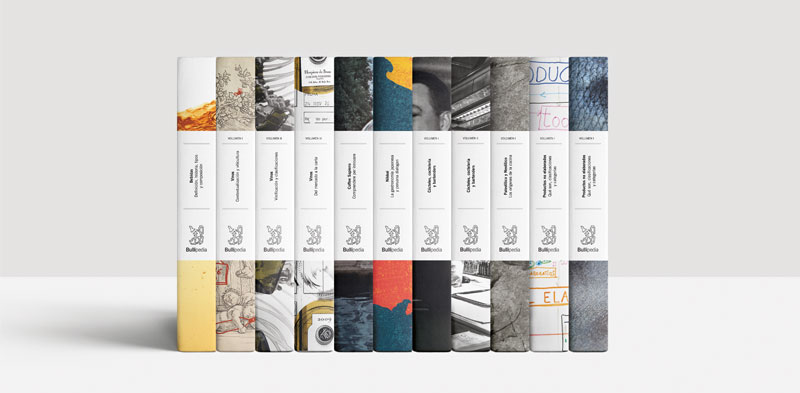
Encompassing more than thirty 500-page long books in encyclopaedia format. Some volumes have a specific and specialised nature, while others are part of a transversal collection that allows for a more holistic understanding of a particular subject.
Including monographic volumes on history, cooking styles, cooking techniques, products (both elaborated and non-elaborated), beverages (wines, cocktails, etc.) and innovation and entrepreneurship.
The target audience for this project: restaurant and hospitality professionals, but also foodies, historians, and art and design lovers.
The project includes themes such as an investigation into the creative system of elBullirestaurant; non-elaborated products; the first books written about the history of food, cooking and gastronomy; food prep tools; beverages, among many others. These are published in various formats depending on the nature of each topic, including printed books, e-books, apps, and seaurching (online Sapiens courses).
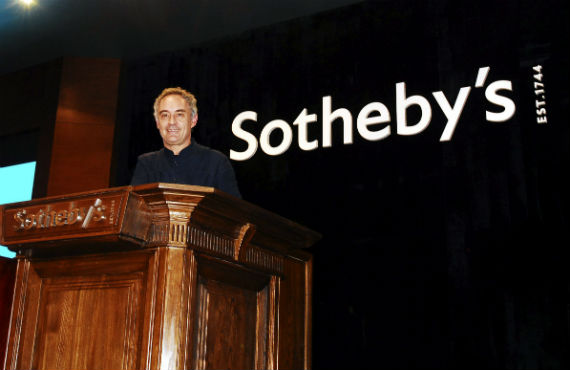
An auction was held by Sotheby’s in Hong Kong (3rd April 2013) and in New York (26th April 2013) of the elBulli wine cellar, along with 150 lots of emblematic and historical pieces from the restaurant. These ranged from differing types of crockery and serving instruments, to menus representing different periods, and included Ferran Adrià’s personal chef’s overalls, signed by him for the occasion.
The proceeds obtained became part of the foundation’s first funds, and were added to the monies raised from a series of special events held in the last months of elBulli’s existence.
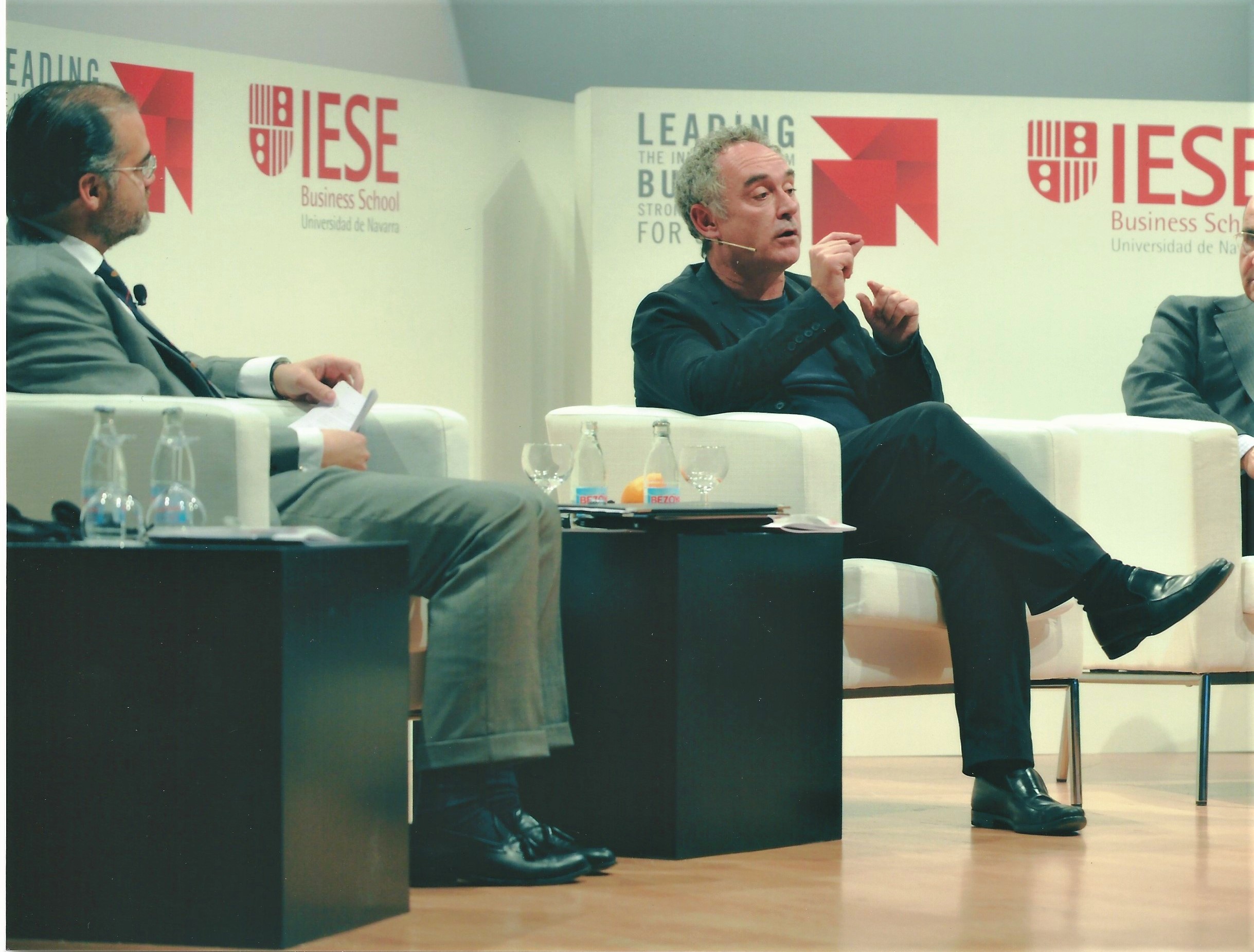
Undertaken with the aim of developing communications, branding and marketing strategies within elBullifoundation’s overall concept, carried out jointly by a selection of MBA students and faculty from IESE, together with the team from elBullifoundation.
We set a challenge inviting the participation of two teams of students of varying nationalities to analyse the strategic areas of the foundation, with the aim of establishing a name for each area, encouraging the contribution of ideas regarding the recruitment of talent, the development of activities, and the general organisation of the future creative team.
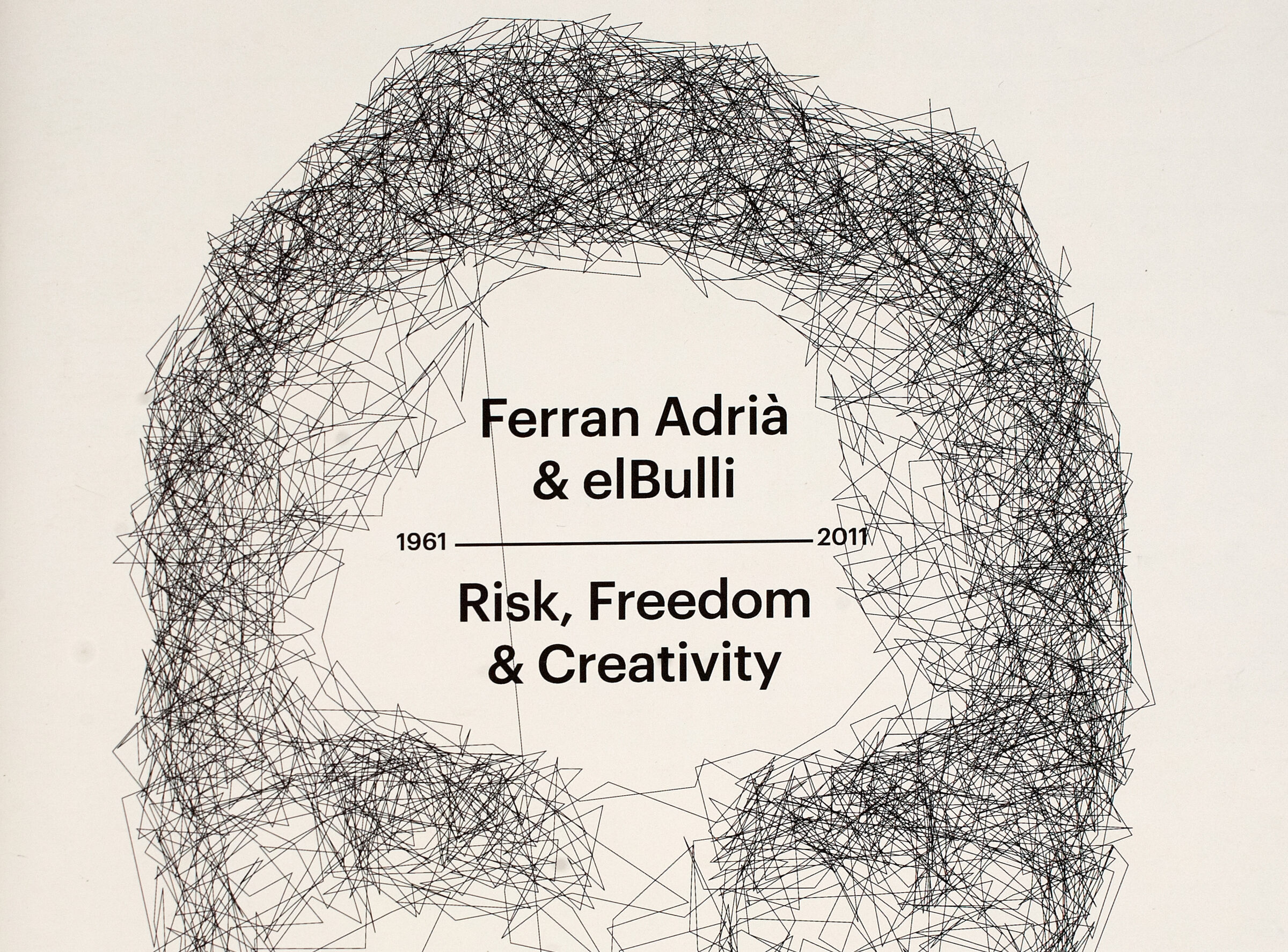
An exhibition chronicling the story of elBulli from its foundation in 1961, through the arrival of Juli Soler, Ferran Adrià and Albert Adrià, to its last dinner service on 30th July 2011. An adventure embodying a sense of freedom and creativity, in the first recorded exhibition focusing on a restaurant.
In the wake of its year-long success at Barcelona’s Palau Robert (February 2012- February 2013), the exhibition travelled to Somerset House, London, and was retitled: “Ferran Adrià and the Art of Food”. Then, in 2014, the exhibition moved to Boston and the prestigious Museum of Science (MoS), under the name: “Innovation in the Art of Food: Chef Ferran Adrià“.
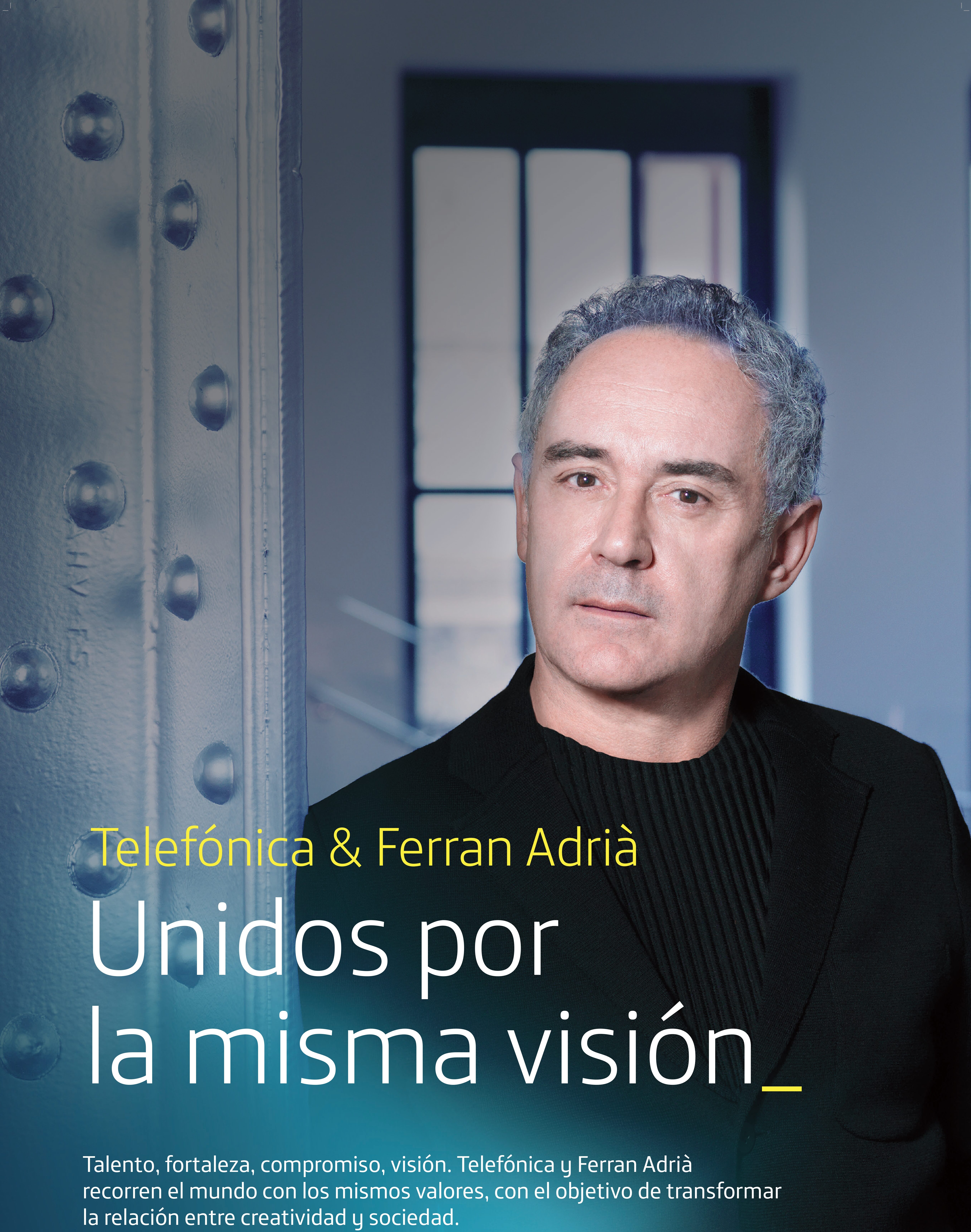
A documentary released in June 2012, directed by Jesús M. Santos and produced by Telefónica. Taking a journey through the exquisite cuisine of Peru accompanied by Ferran Adrià and Gastón Acurio, it shows how cuisine determines the cultural, social and economic transformation of this country, seen through the eyes of the young people who are professionally trained in the culinary sector.
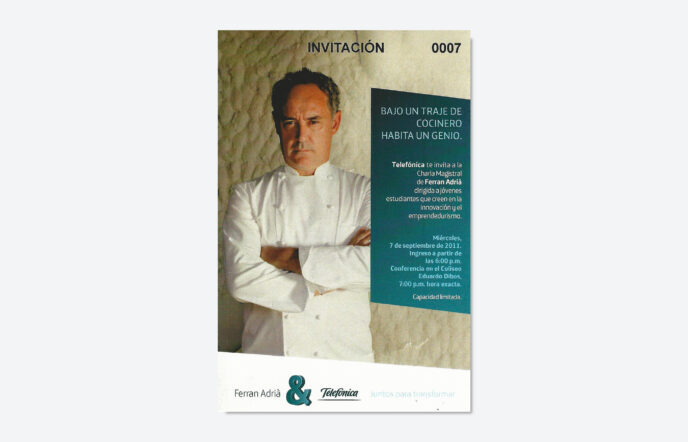
Since 2011, Ferran Adrià and Telefónica Empresas have jointly organised hundreds of events with the aim of promoting innovation and digital transformation in SMEs, as well as explaining the meaning of the “business identity document”. Disruptive innovation leads to business success, but is only feasible once work on key elements such as management, innovation and digital transformation have been undertaken.
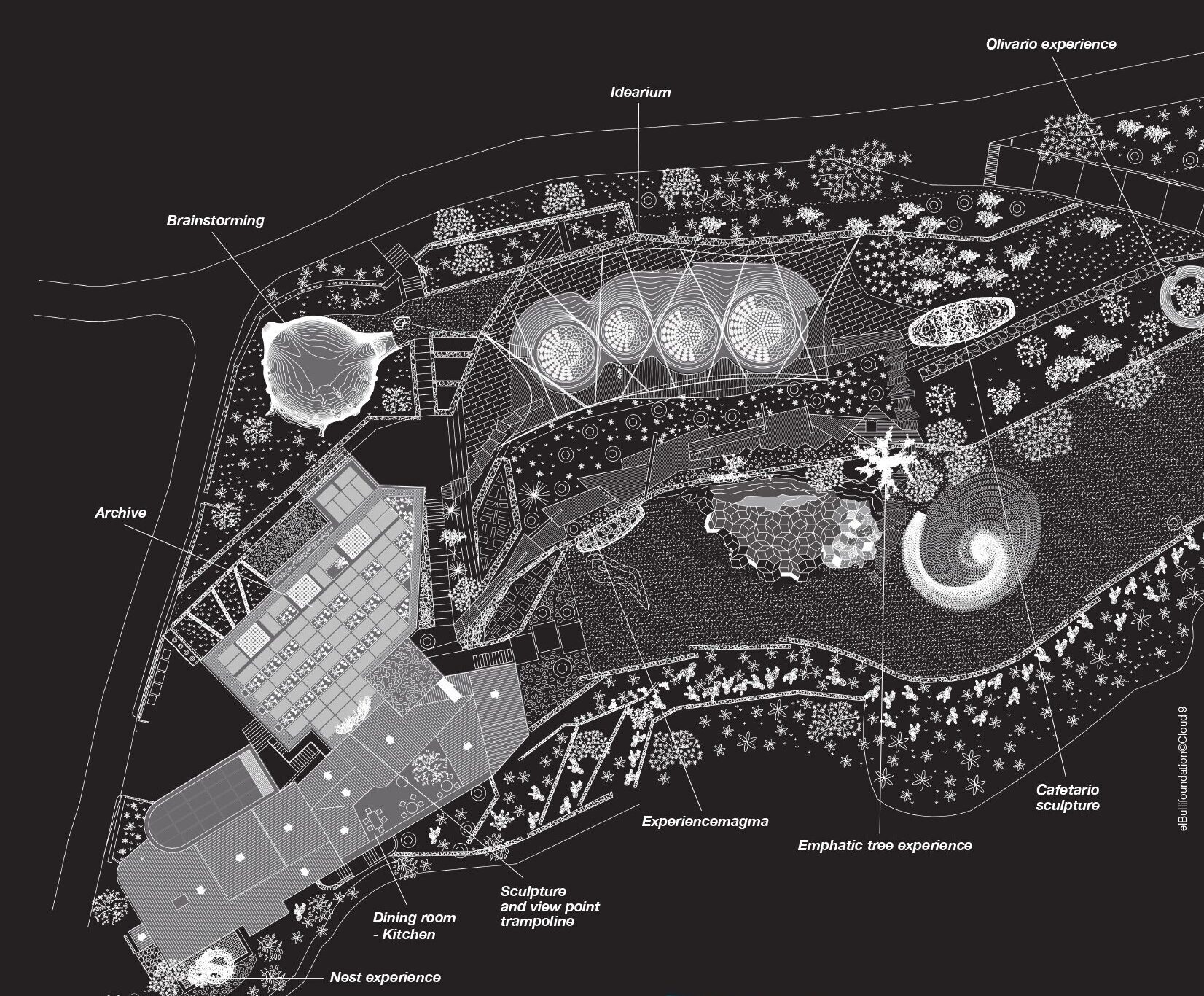
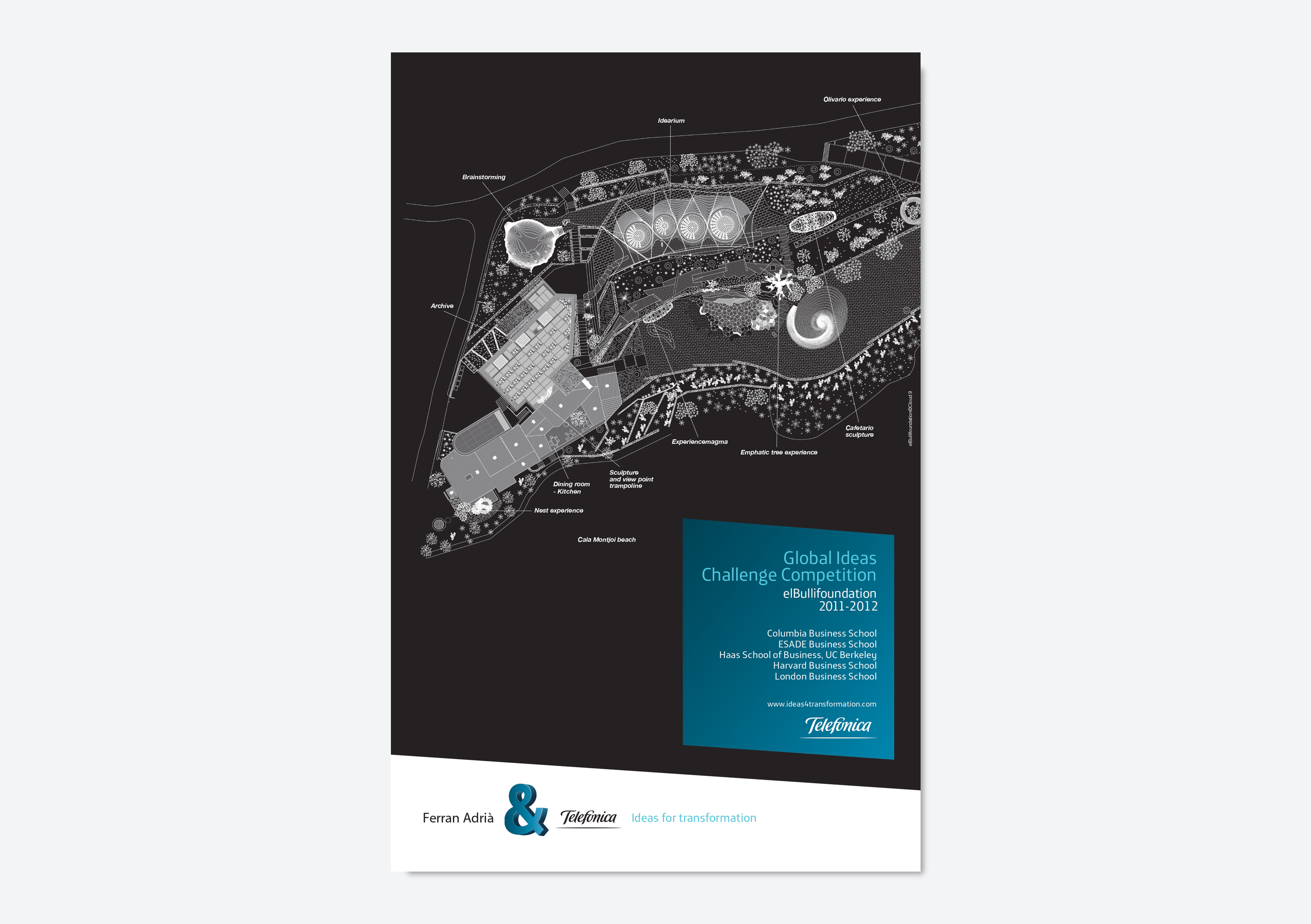
“Ideas4transformation” is an international challenge, organised in conjunction with Telefónica, directed at MBA students from the Harvard Business School, Haas School of Business at the University of California Berkeley, Columbia University, London Business School and Esade Business School. The aim of the challenge is to gather ideas for elBullifoundation.
Ferran paid a visit to each of these academic institutions to personally explain the conceptual basis of the project. In total, 31 teams of students (involving 1,200 people) got involved in the project, creating 31 hotbeds of new thought for elBullifoundation. A clear demonstration of the interest generated by the project.
At the end of June 2012, the finalists presented their projects at Telefónica’s headquarters in Barcelona and visited elBulli’s headquarters in Cala Montjoi. The two teams from Harvard Business School (Duende and Team A) won first prize. The jury, made up of Nobel Prize-winning economist Joseph Stiglitz, professors Roberto Álvarez del Blanco, Louis Stern and Russell S. Winer, Telefónica executives Belén Amatriain and Richard Poston, Financial Times writer and journalist Víctor Mallet, and Ferran Adrià himself, reached the decision that both teams were deserving of the prize, given that their work was complementary and furthermore expressed the elBullifoundation concept as a whole. Second place went to the team from London Business School.
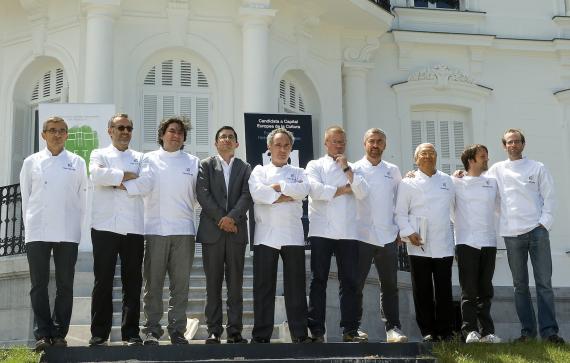
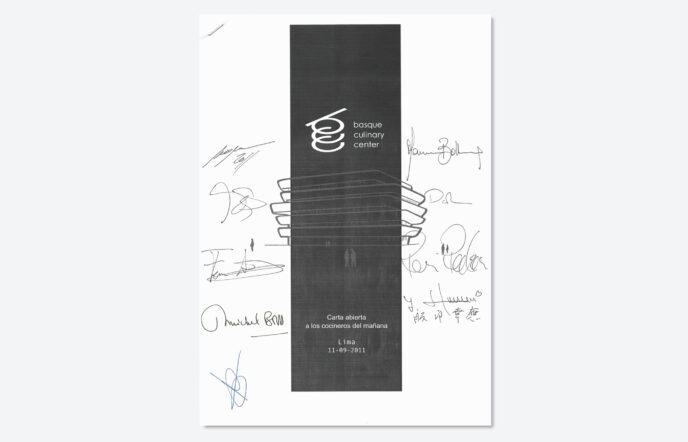
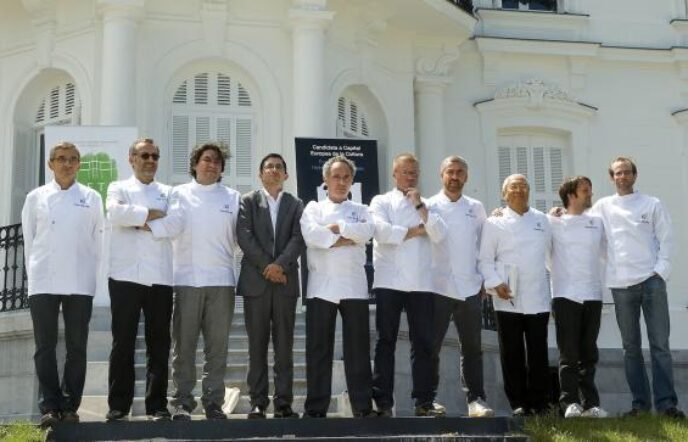
In September 2011, the Basque Culinary Center, Spain’s first university in the field of gastronomy, is officially inaugurated. Ferran Adrià is appointed President of the university’s International Advisory Committee, a position he holds until 2015, when he himself proposes renewal of the committee leadership to take in different visions and perspectives on gastronomy.
Made up of some of the most influential and renowned chefs in the world, the International Advisory Committee, of which Ferran Adrià continues to be a member, undertakes the role of promoting new projects and advising the university’s Board of Trustees on strategic tasks, which serves to project the university internationally. Its members are tasked with deliberating on a range of topics related to gastronomy and meeting annually to debate them. The Committee also operates as a strategic think tank for the sector, in line with the university’s mission.