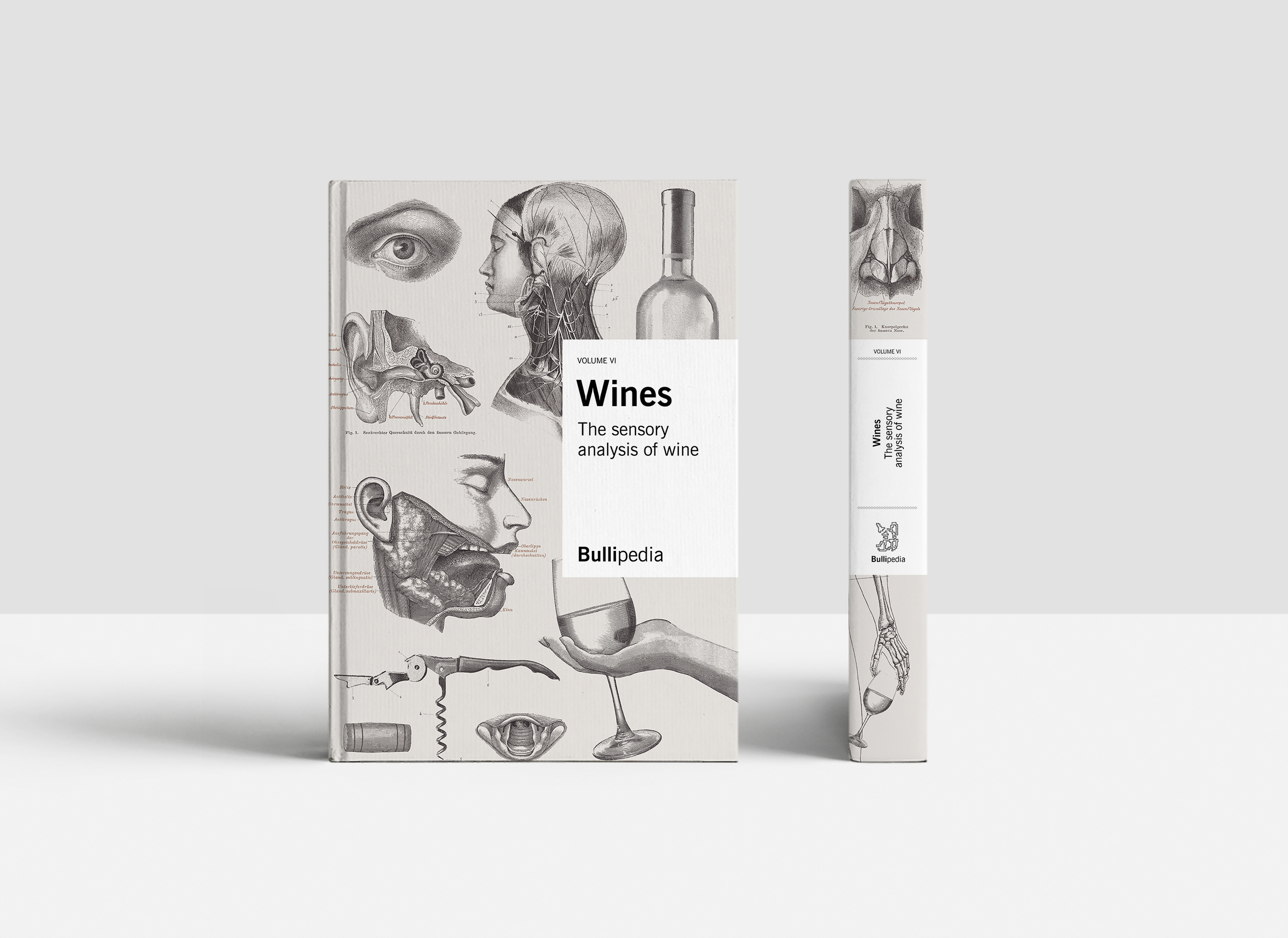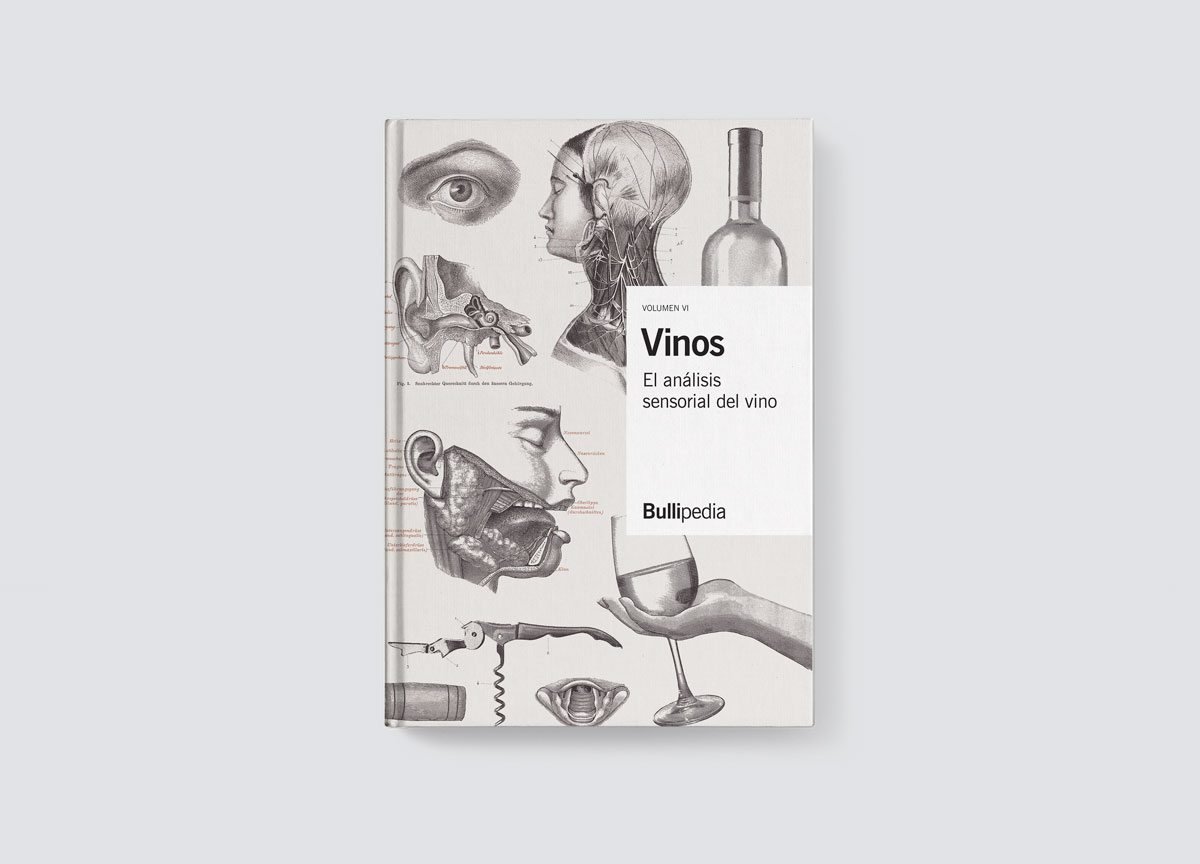
In September 2025, the English edition of Wines. The sensory analysis of wine, the sixth volume of Sapiens of Wine, was presented in Oslo and Copenhagen, in collaboration with Juvé & Camps.
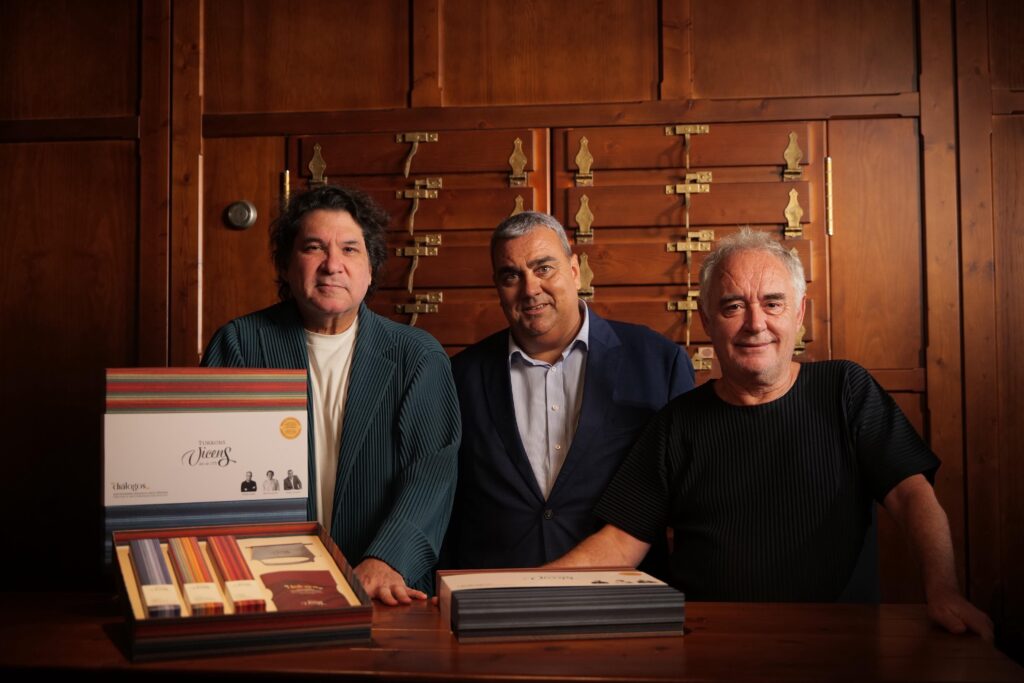
Presented by Meritxell Juvé, Ferran Centelles, and Ferran Adrià to professionals from the world of wine and those interested in the Sapiens methodology.
This sixth volume of the Sapiens of Wine series delves into sensory analysis as an essential part of wine tasting, addressing the various parameters involved in the perception and evaluation of wine.
The Sapiens of Wine project continues to advance in the understanding of wine through an analytical and reflective approach.
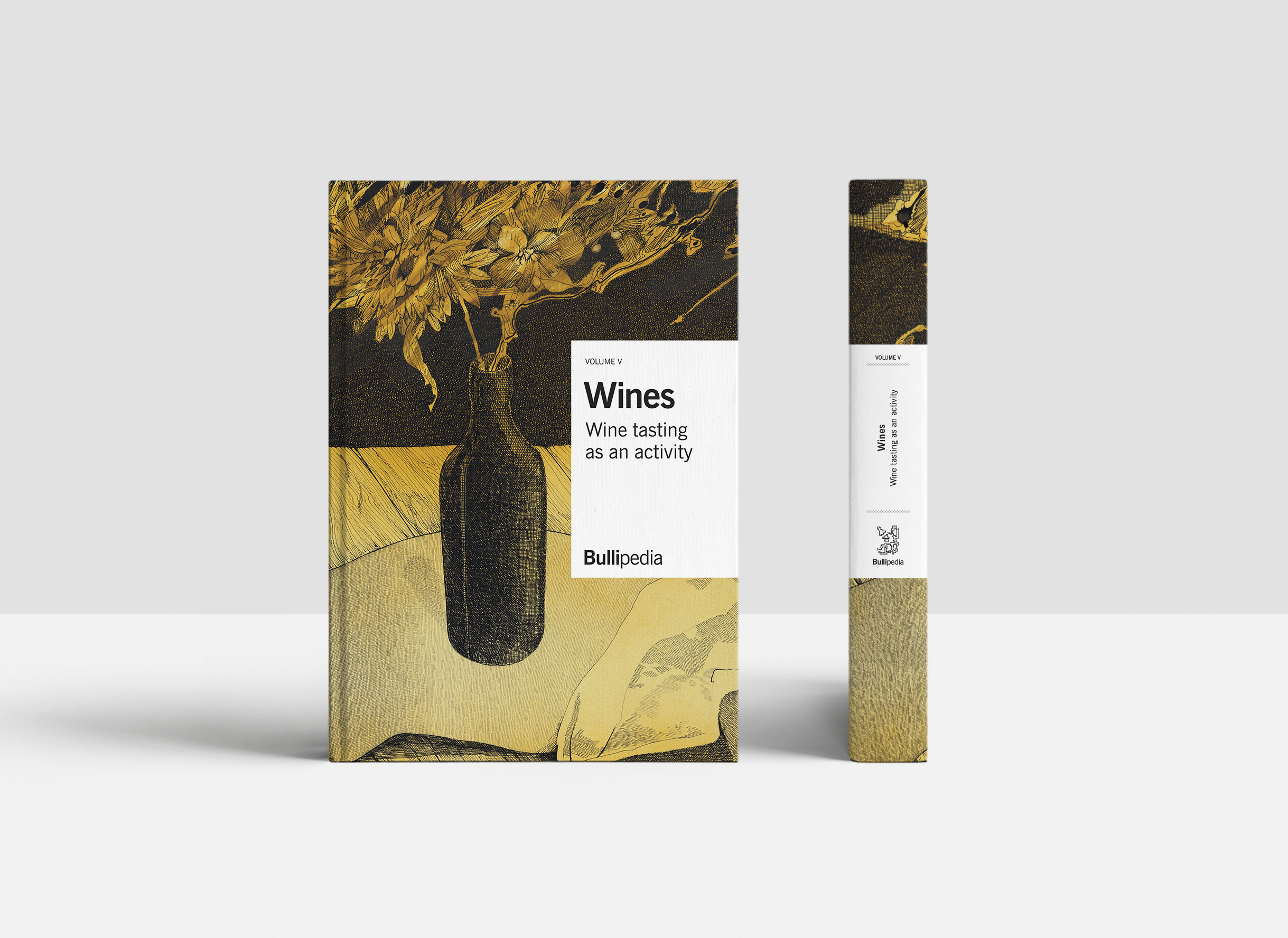
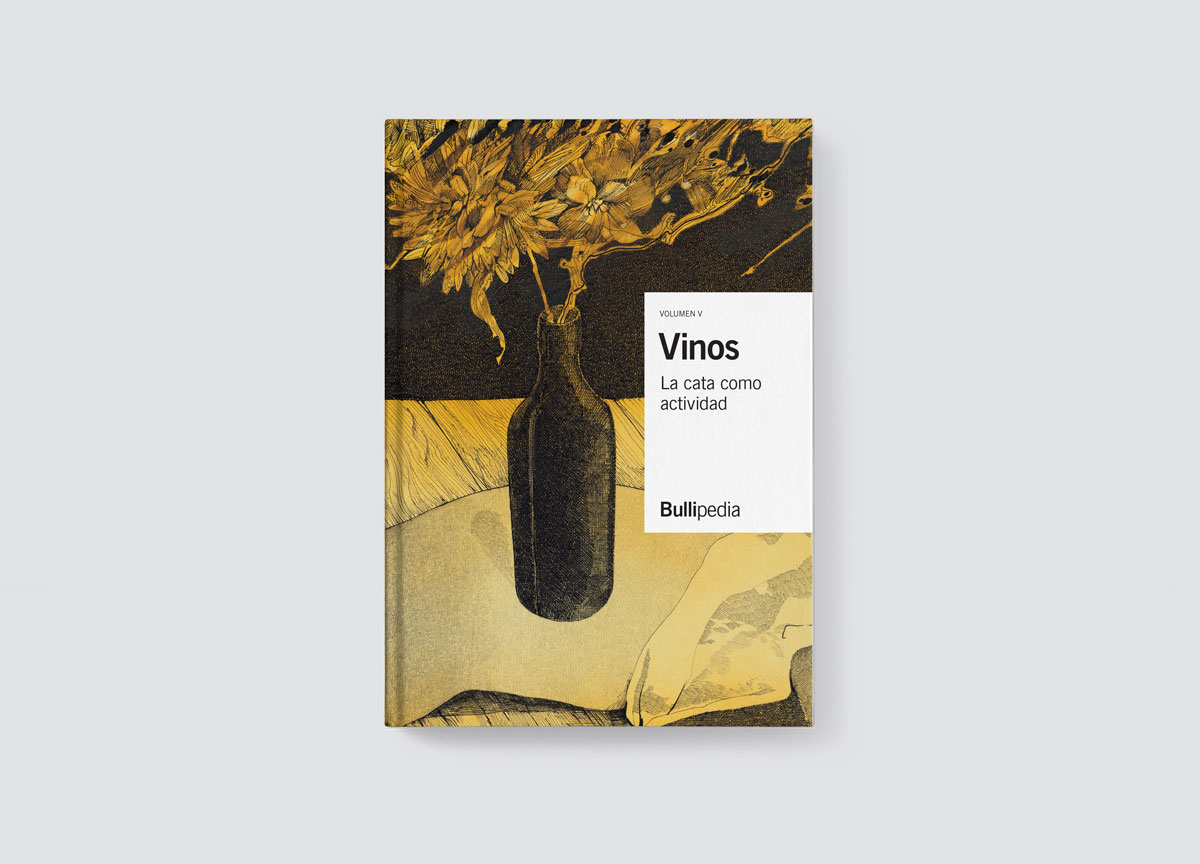
In September 2025, the English edition of Wines. Wine tasting as an activity, the fifth volume of Sapiens of Wine, was presented in Oslo and Copenhagen, in collaboration with Juvé & Camps.
Presented by Meritxell Juvé, Ferran Centelles, and Ferran Adrià to professionals from the world of wine and those interested in the Sapiens methodology.
This fifth volume of the Sapiens of Wine series explores tasting as an essential tool for understanding wine, delving into the sensory experience and the factors that influence perception.
The Sapiens of Wine project continues to deepen knowledge and reflection on the world of wine.
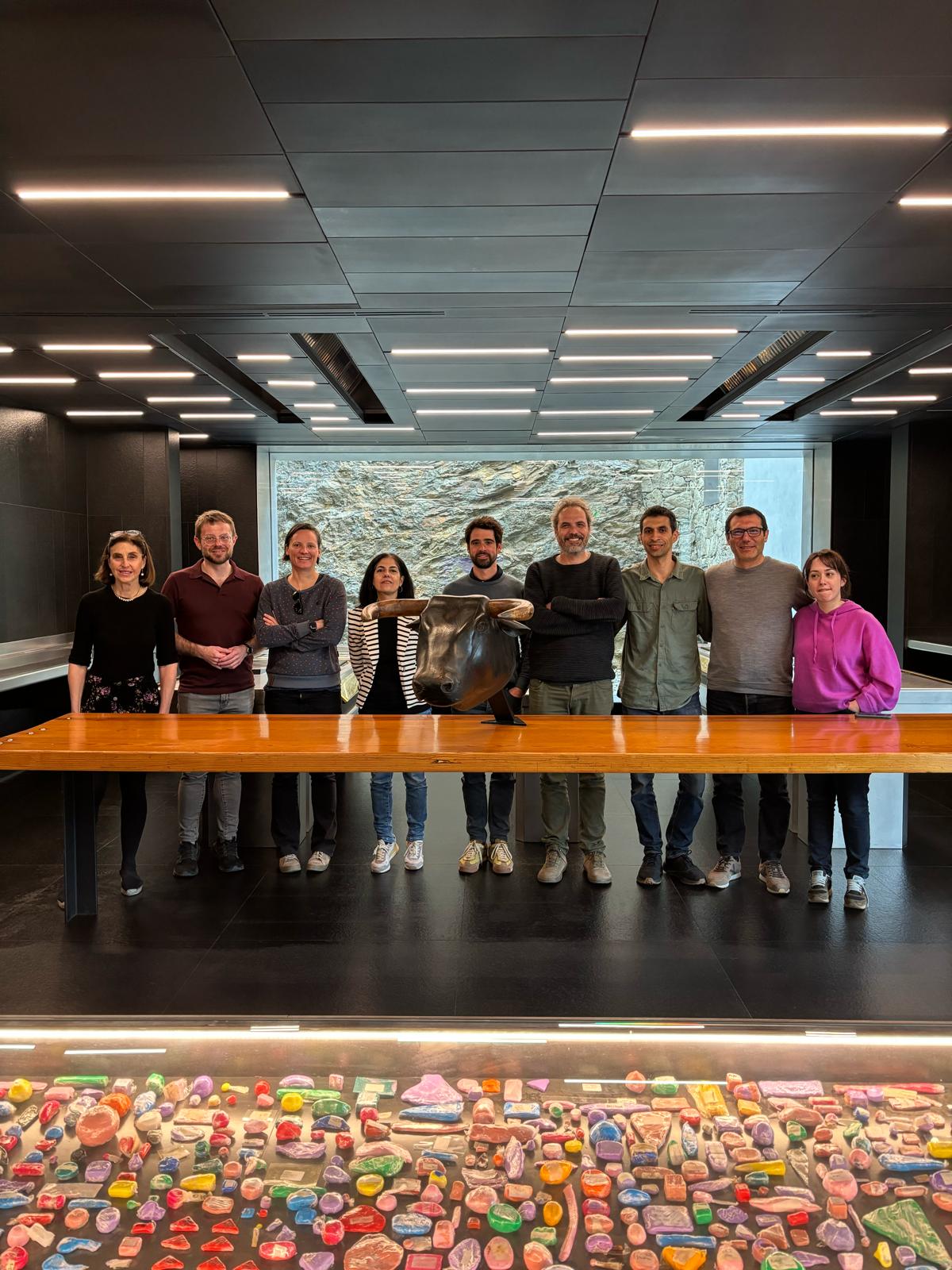
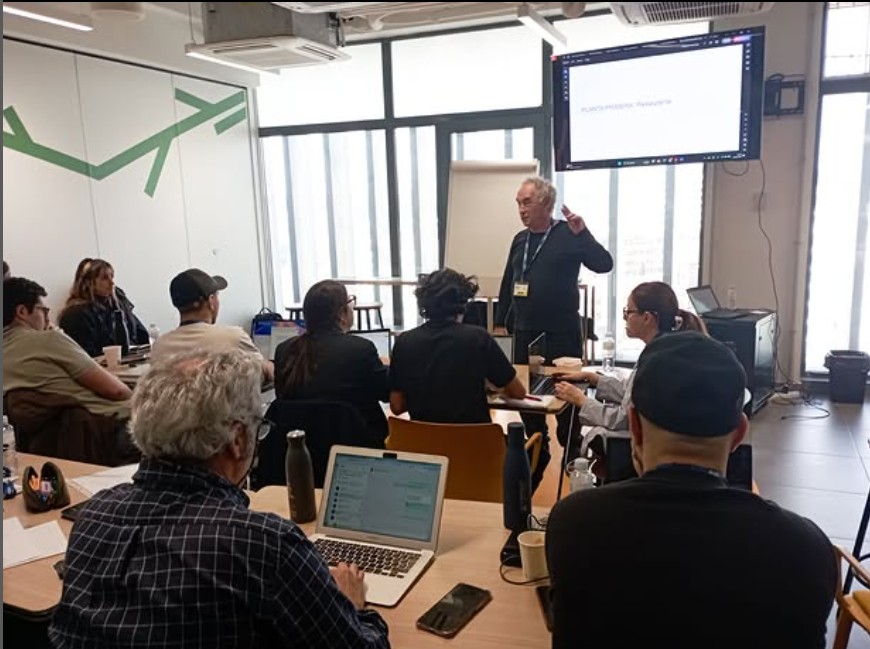
The Third research program took place at elBulli1846 between February 20th and February 22nd 2024.
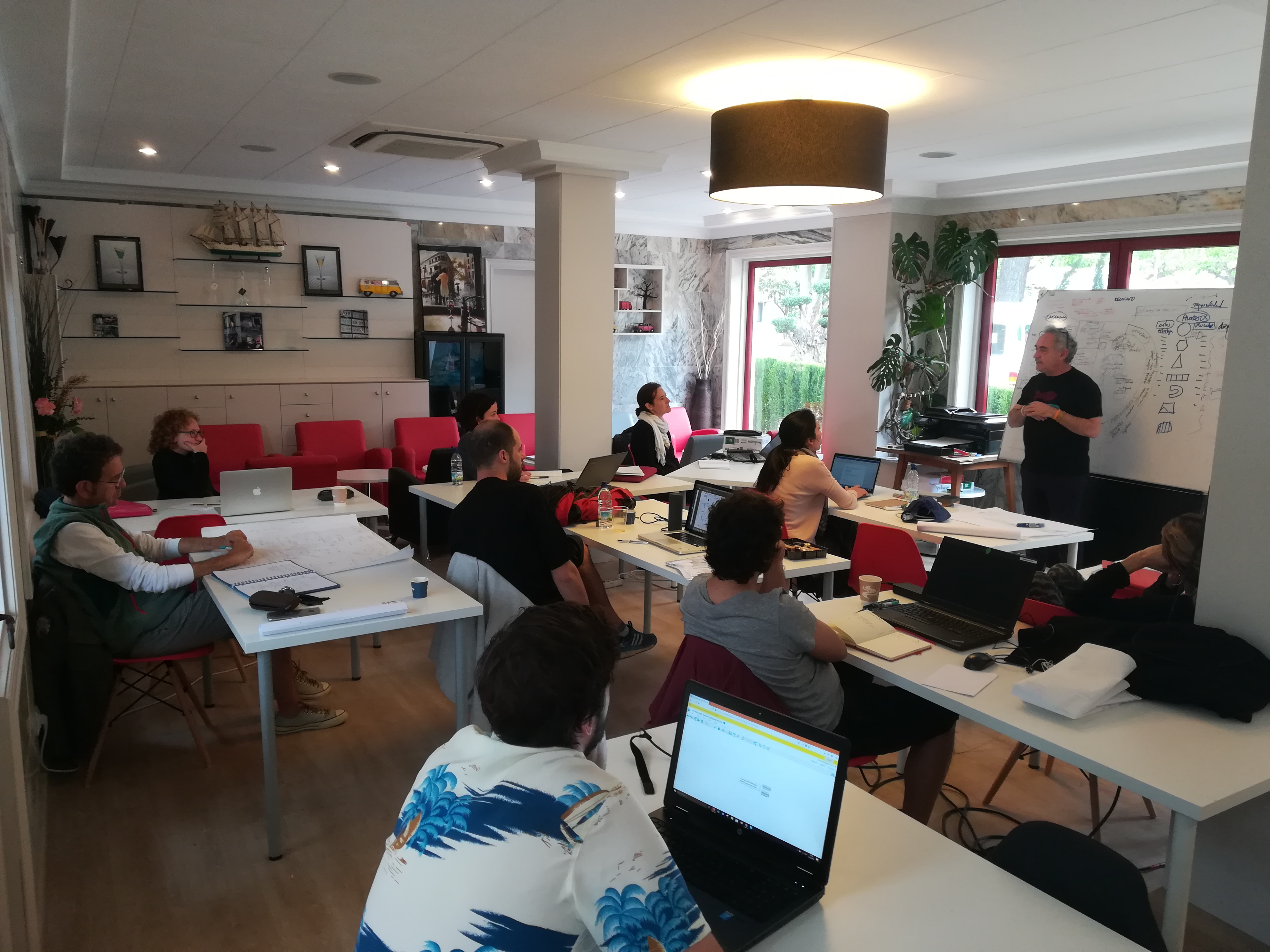
In this third research program, eight professionals from diverse fields participated, selected on account of their interest in social innovation and their links to institutions, universities and third sector organisations. Unlike in previous editions, this research program was structured as a temporary laboratory, inspired by the work dynamics of the elBullifoundation research laboratory in Barcelona.
The work programme was organised around two main lines of study:
Social innovation and its application in institutions and organisations.
School canteens as a model of social transformation.
The sessions were led by Lluís Garcia, general manager of elBullifoundation, and Auri García, co-author of the book Linking knowledge, Sapiens Methodology.
With this third research program, elBullifoundation reaffirms its commitment to the exploration of knowledge and applied innovation, widening the scope of the Sapiens methodology to include new global challenges.
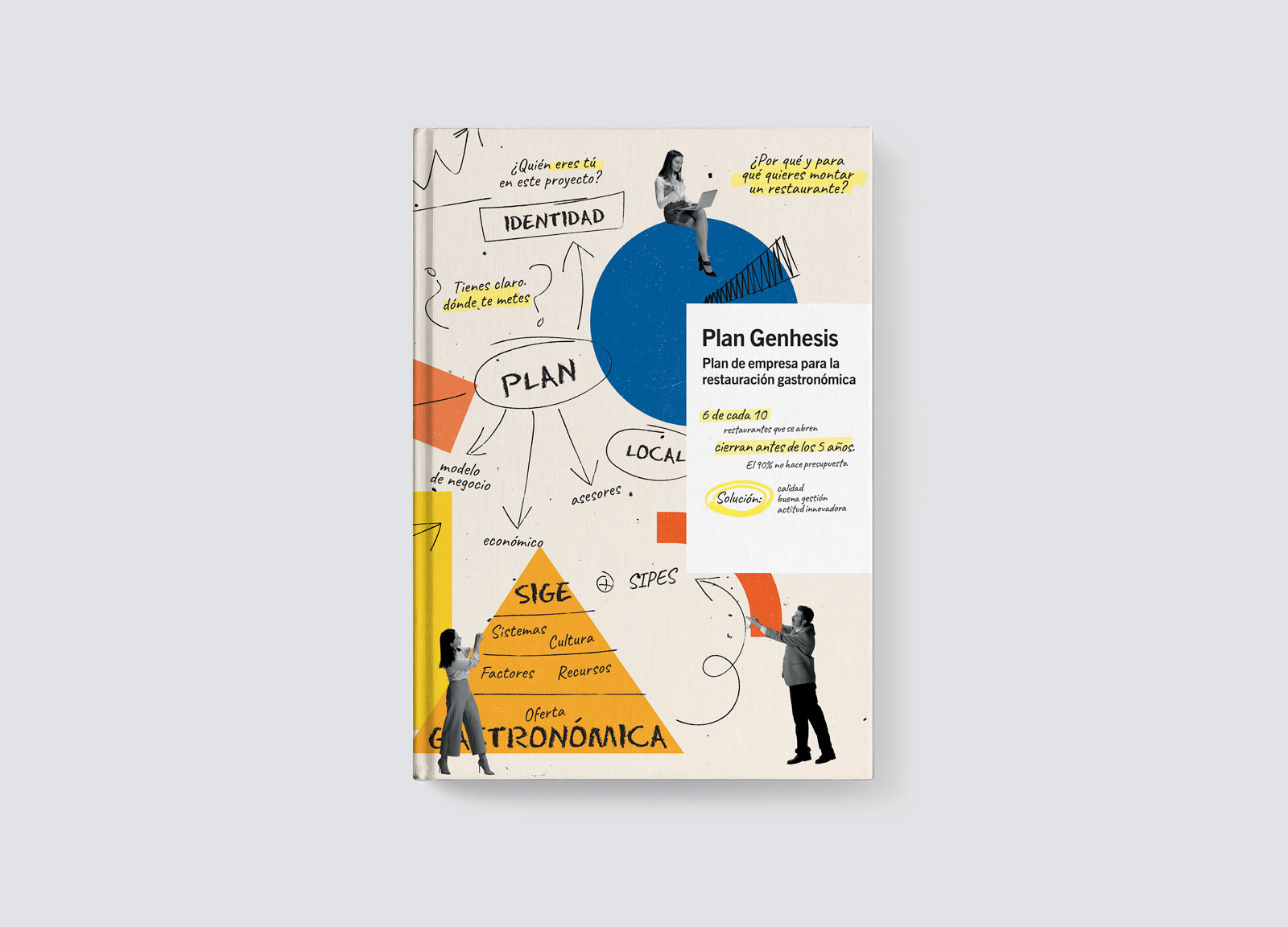
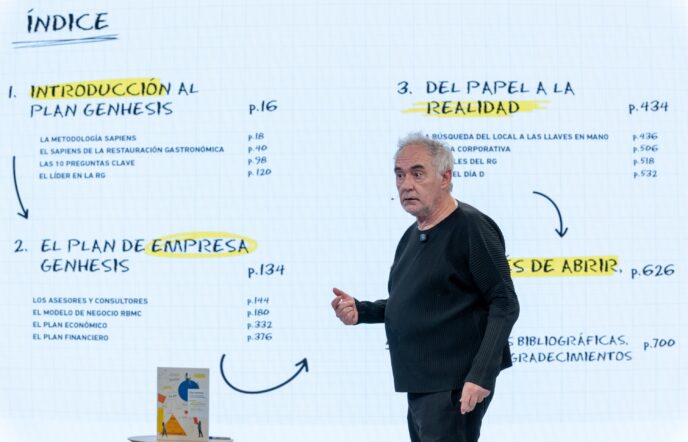
January 2024 saw the first edition of the Master’s degree in The Gastronomic Restaurant Sector, a benchmark academic program offered by the Madrid Culinary Campus (MACC), in collaboration with elBullifoundation.
The aim of this Master’s degree is to train the next generation of culinary professionals in entrepreneurship and the management of businesses in the fine dining restaurant sector. Through an innovative approach, it focuses on process efficiency, economic viability and excellence in management, key pillars for success in the gastronomic sector.
Directed towards restaurant owners and culinary professionals in the restaurant and gastronomy sector, this program is designed for those with an entrepreneurial spirit and a creative attitude who wish to specialise in the running and management of gastronomic restaurants.
“Good management, innovative attitude and high quality.”
More than 50% of the syllabus is dedicated to management and themes relating to it. From day one, participants will direct their studies to their own personal projects, applying the knowledge acquired to develop a strategic and operational vision of the gastronomy business.
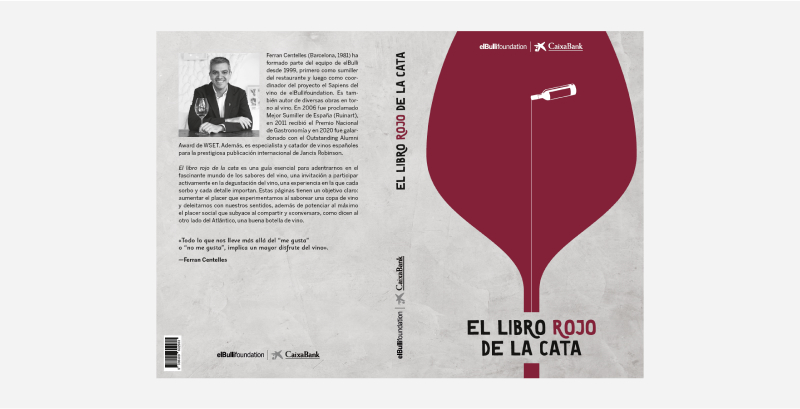
CaixaBank and elBullifoundation present “El libro rojo de la cata” (translated as: The Red Book of Wine Tasting)”, an essential guide bringing together key principles and reflections to offer a fascinating insight into the complex world of wine flavours. The book, aimed principally at gastronomes, sommeliers and hospitality professionals, has been conceived as an inspirational tool for those seeking to maximise the pleasures of wine tasting and sharing a glass.
“El libro rojo de la cata” takes us on a practical and informative tour inviting the reader to discover the art of wine tasting. Furthermore, it emphasises the social aspect of wine tasting, encouraging discussion and the exchange of opinions so as to enrich one’s sensory experience, reflecting the format that elBullifoundation promotes in its projects. The objective is clear: to help each reader broaden their curiosity, refine their senses and derive maximum enjoyment from the experience, so that wine becomes a meeting point that feeds the passion for gastronomy.
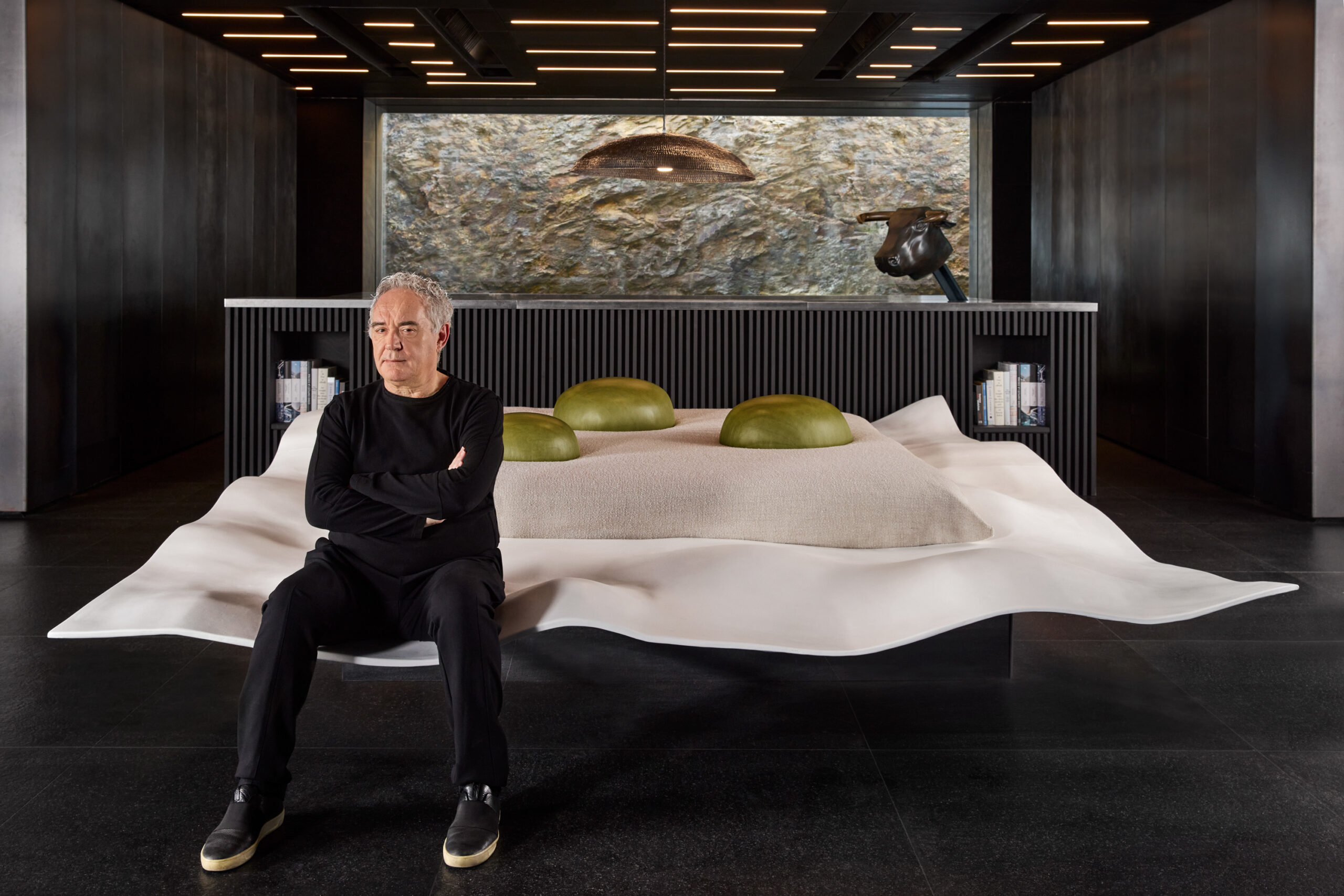
In 2024, elBullifoundation collaborated with Airbnb to offer a unique experience: an overnight stay at elBulli1846. Although guests did not get to dine at elBullirestaurante, they had the once-in-a-lifetime opportunity to stay overnight in its former kitchen, now part of the museum, on a “plated” bed inspired by elBulli’s iconic spherical olive.
This initiative, available for just two people only, was conceived as a collaboration combining art, history and culinary innovation, and sought to give global visibility to elBulli1846, the exhibition space that opened in 2023.
Wine Sapiens Volumes III and IV are titles conceived within the framework of Bullipedia. Content has been created by elBullifoundation with translation into English facilitated through the sponsorship of Juvé & Camps. These two titles were presented in Japan in September 2024.
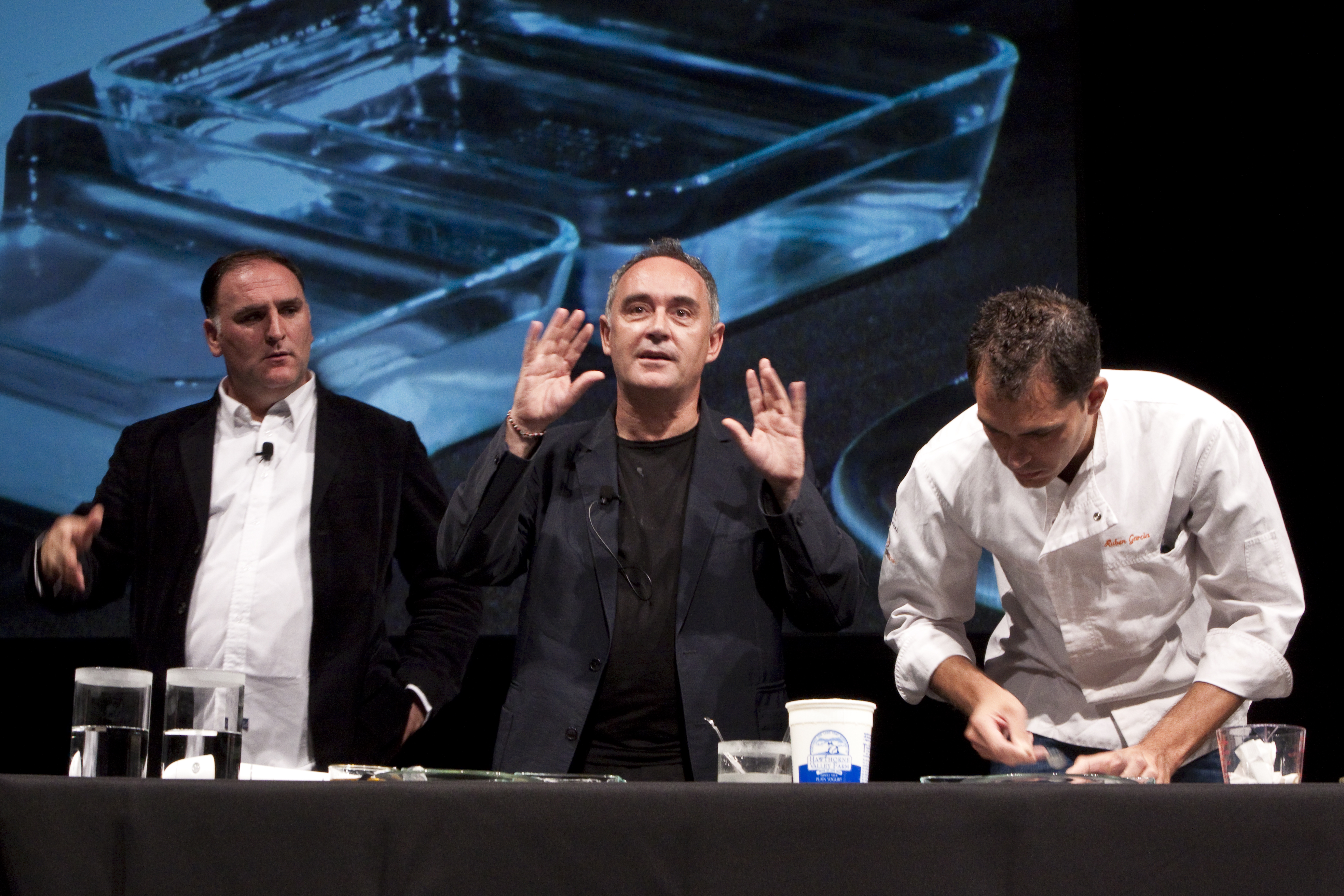
The event took place in Tokyo. Meritxell Juvé, CEO of Juvé & Camps, and project leaders Ferran Adrià and Ferran Centelles, undertook a week of activities which included wine tastings and training sessions for sommeliers, chefs and leading journalists.
These new volumes offer an in-depth knowledge of wine that constitutes part of an eight-year research project incorporating the elBullifoundation’s Sapiens Methodology.
In the making of this volume, we have been able to count on experts such as Pedro Ballesteros MW and Antonio Tomás Palacios.
Wine Sapiens Volumes III and IV are titles conceived within the framework of Bullipedia. Content has been created by elBullifoundation with translation into English facilitated through the sponsorship of Juvé & Camps. These two titles were presented in Japan in September 2024.
The event took place in Tokyo. Meritxell Juvé, CEO of Juvé & Camps, and project leaders Ferran Adrià and Ferran Centelles, undertook a week of activities which included wine tastings and training sessions for sommeliers, chefs and leading journalists.
These new volumes offer an in-depth knowledge of wine that constitutes part of an eight-year research project incorporating the elBullifoundation’s Sapiens Methodology.
In the making of this volume, we have been able to count on experts such as Pedro Ballesteros MW and Antonio Tomás Palacios.
National Geographic sees the launch of a series of articles based on the extensive work of Bullipedia. This content, openly available on the National Geographic website, offers monthly articles on the history of the gastronomic restaurant sector.
Bullipedia is one of elBullifoundation’s principle projects. Its purpose is to create, compile, codify and establish connections between all relevant knowledge thereby allowing us to create an exhaustive encyclopaedia of the gastronomic restaurant sector.
Archivo de Creadores is a project designed to safeguard and disseminate the legacy of the most renowned individuals in the Spanish cultural scene. Artists, filmmakers, writers, musicians and chefs in their own image and expressed using their own words.
In this third season, chef Ferran Adrià, film director Alejandro Amenábar, painter Carmen Calvo, playwright Fernando Arrabal, dancer Blanca Li and musician Kiko Veneno, talk in detail about their lives, their creative processes and their vision of the world.
In an wide-ranging interview with Jesús Ruiz Mantilla, Ferran Adrià discusses his initiation into the world of gastronomy and outlines the most significant moments in his career. In partnership with La Fábrica and Fundación “La Caixa”, these stories have resulted in a 10-hour film, documentaries, podcasts and a collection of books, accessible through CaixaForum+ and Amazon Prime Video.
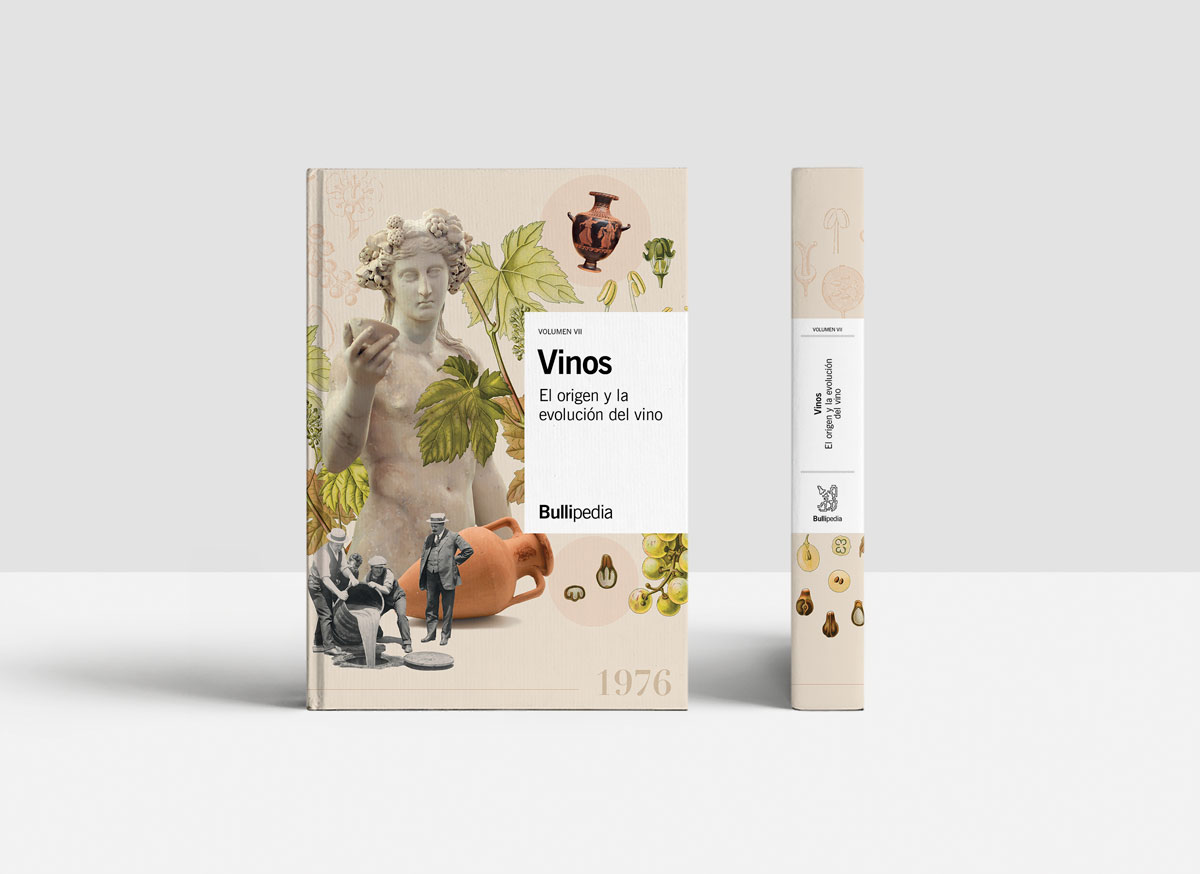
In Wine Sapiens volume VII, we look at the origin and evolution of wine, exploring five broad aspects of the product: the grapevine, the wine itself, the market, wine service and the drinking experience.
Glass in hand, the volume takes us on a journey from the most ancient civilisations, right up to the present day where we explore religious, mythological, hedonistic, medicinal, artistic and service-related matters.
A project by elBullifoundation, with the help of Vila Viniteca.
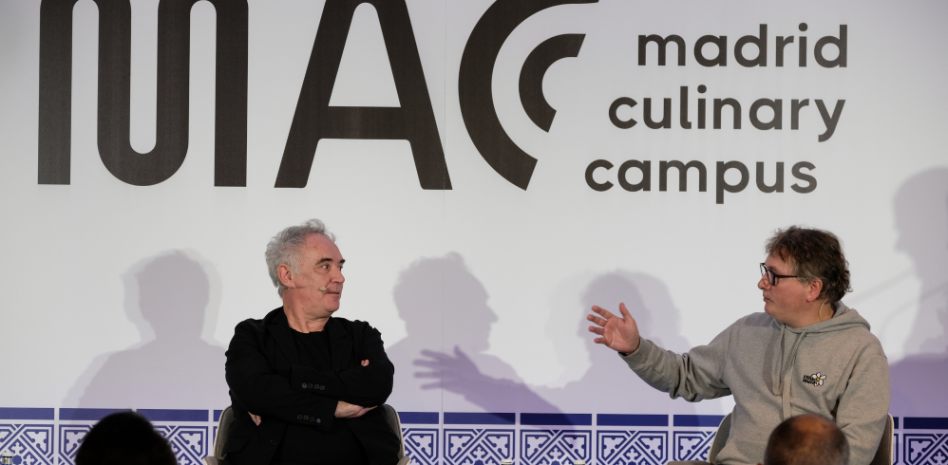
January 2024 saw the presentation of the Madrid Culinary Campus (MACC), a new university dedicated to studies and training in the sector of gastronomy. In collaboration with Vocento and Universidad Pontificia Comillas, it counts on the highly valued participation of Ferran Adrià and Andoni Luis Aduriz. This outstanding project offers a transversal approach to training, combining culinary aspects with business management, agronomy and sustainability.
Located in two new buildings near Chamartin Station in Madrid Norte, MACC is an engine of economic and social growth through excellence in gastronomic formation.
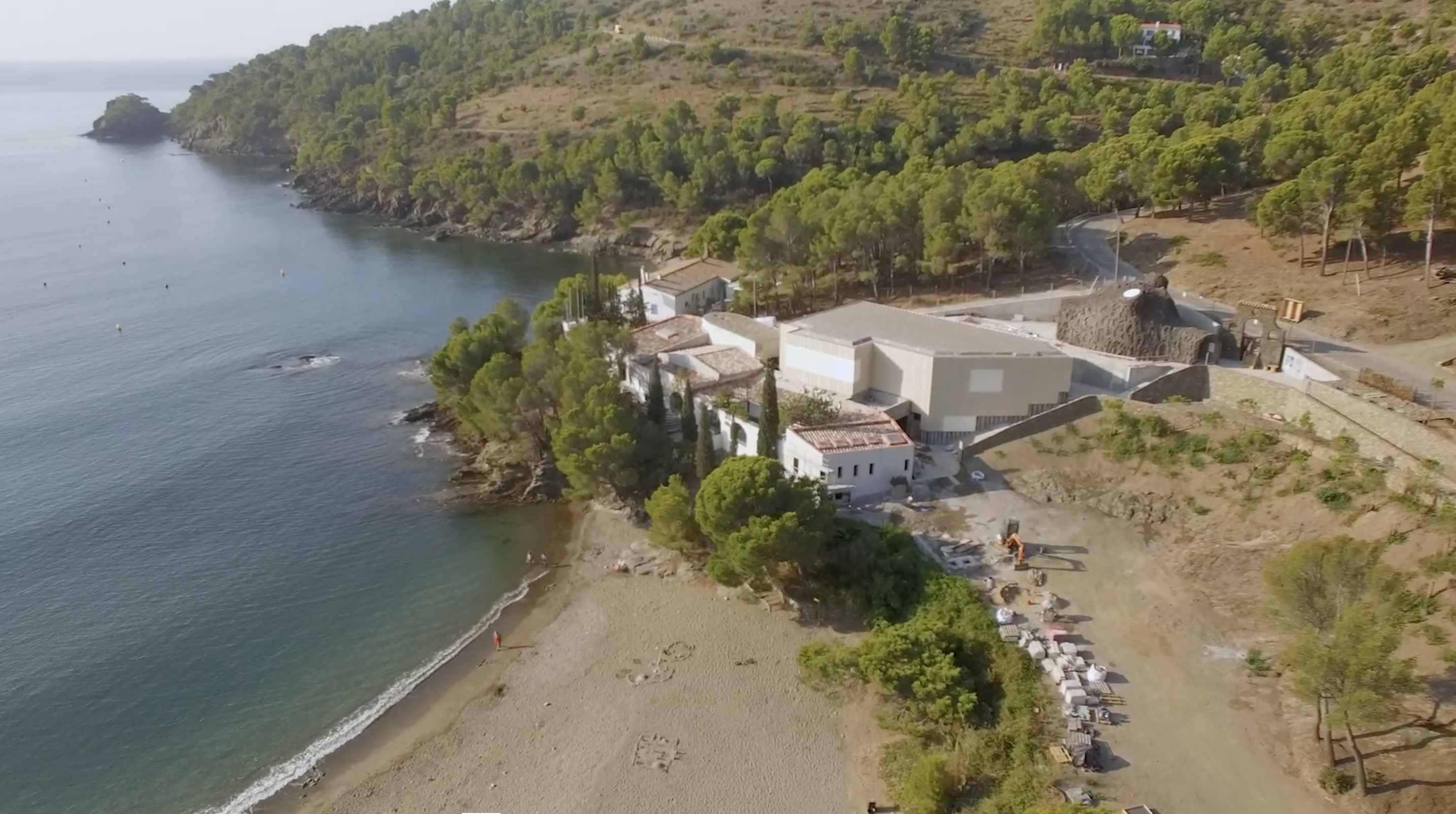
elBulli1846 (Cala Montjoi) opened its doors to the public on 15 June 2023, giving a warm welcome to its first visitors on an emotional day. The museum was envisaged as an entity that would fulfil various objectives, including safeguarding the legacy of elBulli, opening up new gastronomical paths, promoting an innovative mindset and developing quality content for education and self-learning in the gastronomic restaurant sector.
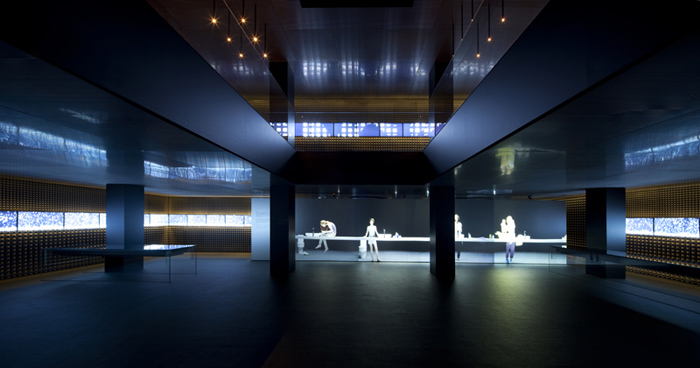
elBulli1846 occupies a floor space of almost four thousand square metres (2,500m2 externally and 1,300m2 internally). Its itinerary invites you to reflect on the themes of gastronomy and innovation, paying tribute to its Bullinianos (those individuals that participated in elBulli-related projects throughout its history), narrating the story of elBulli, and explaining in detail all the projects subsequently carried out at elBullifoundation, including Bullipedia and elBulliDNA.
Through sixty-nine installations of an artistic, conceptual and audiovisual nature, the museum offers visitors all the necessary resources to understand the evolution of elBulli, demonstrating why it was responsible for a paradigm shift in world gastronomy. It also explains, detailing several of the foundation-led projects, the reasons why elBulli is still in existence and how it manages not only to honour the past, but to look to the future and continue making history.
What is cooking? How did cooking begin? What is the creative process involved? What intermediate processes are necessary in the day-to-day running of a fine dining restaurant? elBulli1846 invites visitors to consider all these questions, encouraging a reflection on the themes of knowledge and innovation. On entering the historic building that, for fifty years, was home to elBullirestaurante (now preserved in its entirety), you are immediately confronted with the motto, “creativity means not copying”. This phrase gives meaning to everything the visitor will find inside the emblematic space that once housed the world’s most influential restaurant.
“Connecting knowledge” is the podcast by elBullifoundation, with the collaboration of Prodigioso Volcán, about the Sapiens methodology and its application to innovation in any professional sector. Discover how innovation is not the result of chance or genius, but a process in which understanding and purpose are decisive to activate our creativity.
Auri Garcia, co-author with Ferran Adrià of the book “Connecting knowledge. Sapiens Methodology”, interviews experts from very different areas who were involved in the creation of this methodology and addresses how Sapiens can be applied in branches of knowledge so apparently far from gastronomy such as journalism, science, business or marketing.
Ferran Adrià is the protagonist of the introductory chapter and takes part in each of the interviews with his thoughts on the guest’s contribution to Sapiens and throwing a question at them. Prodigioso Volcán took care of the production and editing of the podcast.
Presentation of the English-language version of Wines. Vinification and Classifications. The book has been produced within the framework of Bullipedia, with content developed following a collaboration between Vila Viniteca and elBullifoundation. Juvé & Camps has participated through its sponsorship of the English translation of “Wine Sapiens“.
The launch took place at New York’s iconic Carnegie Hall. The event was attended by the prime movers of this work, Ferran Adrià and Ferran Centelles, and the president of Juvé & Camps, Joan Juvé.
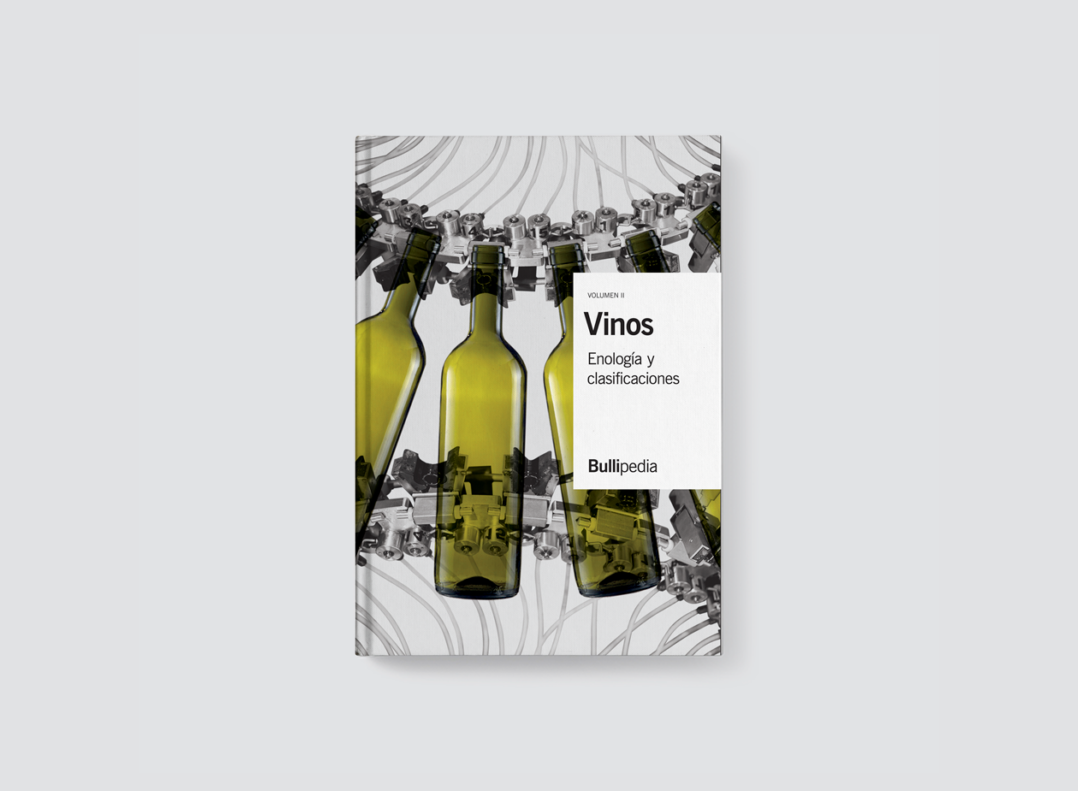
This second volume, “Vinification and Classifications,” explores the winemaking processes and techniques from a scientific and artistic point of view.
The methodology used in carrying out this work is based on the Sapiens method, exemplified by the phrase coined by Ferran Adrià: “Learning through knowledge; creativity through learning”, an approach which seeks to gather together information and knowledge from widely diverse academic fields so as to attain a holistic perspective of the topic of research.
In the making of this volume, we have been able to count on wine expert Antonio Tomás Palacios García.
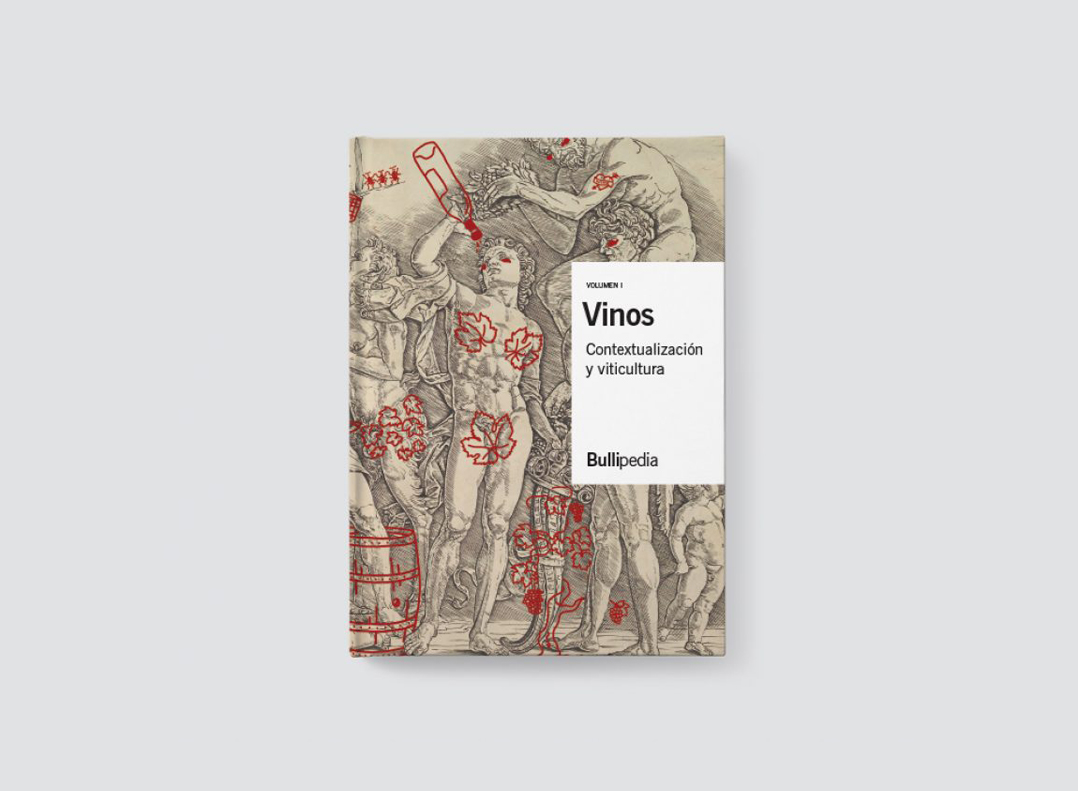
Presentation of the English-language version of Wines. Contextualization and Viticulture. The book has been produced within the framework of Bullipedia, with content developed following a collaboration between Vila Viniteca and elBullifoundation. Juvé & Camps has participated through its sponsorship of the English translation of “Wine Sapiens“.
The launch took place at New York’s iconic Carnegie Hall. The event was attended by the prime movers of this work, Ferran Adrià and Ferran Centelles, and the president of Juvé & Camps, Joan Juvé.
This first volume, “Contextualization and Viticulture“, focuses on the contextualization of wine and examines aspects such as the impact of nature on winemaking and viticulture.
Wine experts Pedro Ballesteros MW, Fernando Martínez de Toda and José Luis Ramos Sáez de Ojer have contributed to this volume.
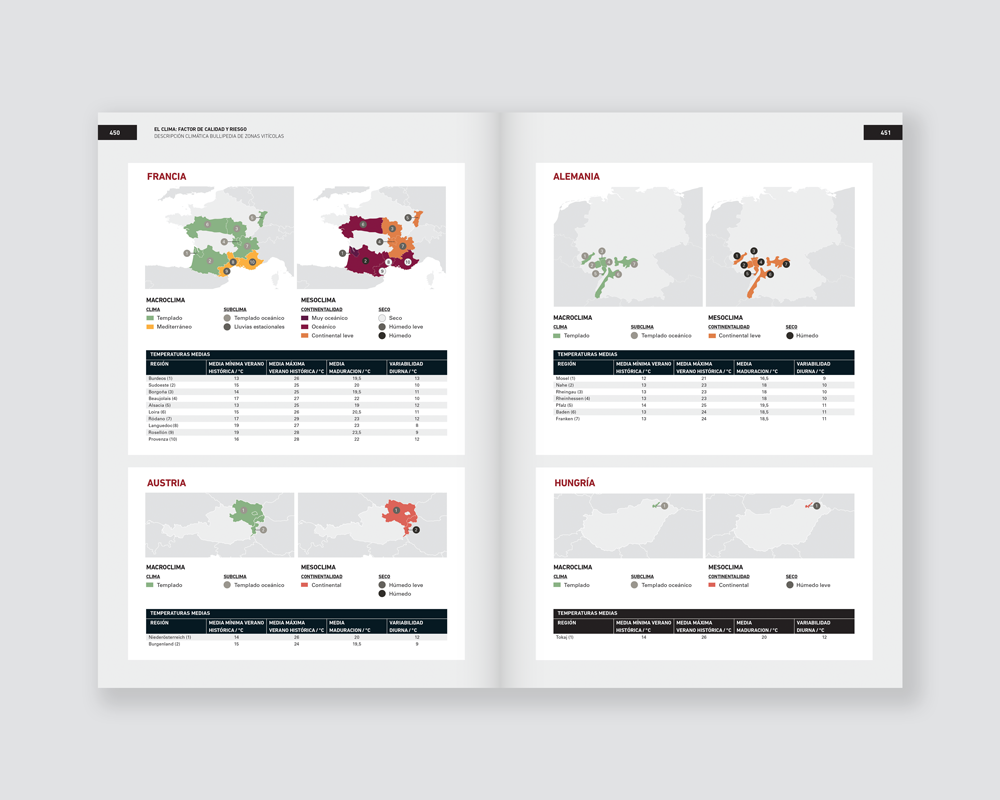
Volume VI of Wine Sapiens was undertaken with the aim of thinking afresh about the organoleptic analysis of wine and deepening our knowledge of it. The volume focuses on how our senses function through hearing, vision, olfaction, taste, the body’s motor system, and the complex somatosensory system, and thereby guides us on how they are used during the technical tasting of wine.
This volume is a companion work to Volume V, totalling approximately 1,000 pages overall for both volumes, and creating the necessary content to comprehend the technical tasting of wine.
The content has been developed through a collaboration between Vila Viniteca and elBullifoundation.
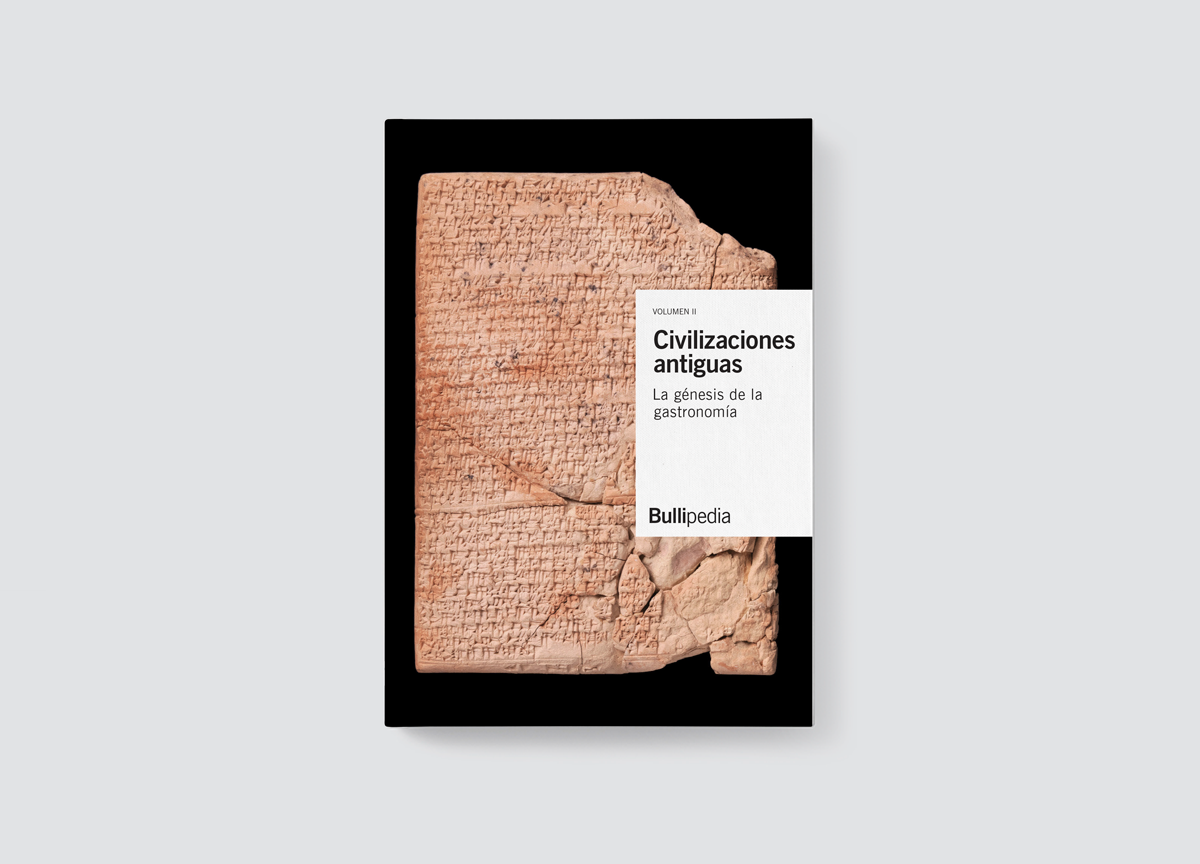
Bullipedia presents a new volume dedicated to the ancient civilisations of the West. It is the second volume dedicated to the history of the Western gastronomic restaurant sector, following the publication of Paleolithic and Neolithic. The origins of cooking.
In this volume, analysed through the perspective of Sapiens, the methodology developed by Ferran Adrià and the elBullifoundation team, we tell the story of the historical evolution of luxury dining, starting with the ancient civilisations of Mesopotamia, Egypt, Greece and Rome. In Paris, in 1780, this resulted in the cultural phenomenon known as the fine dining restaurant.
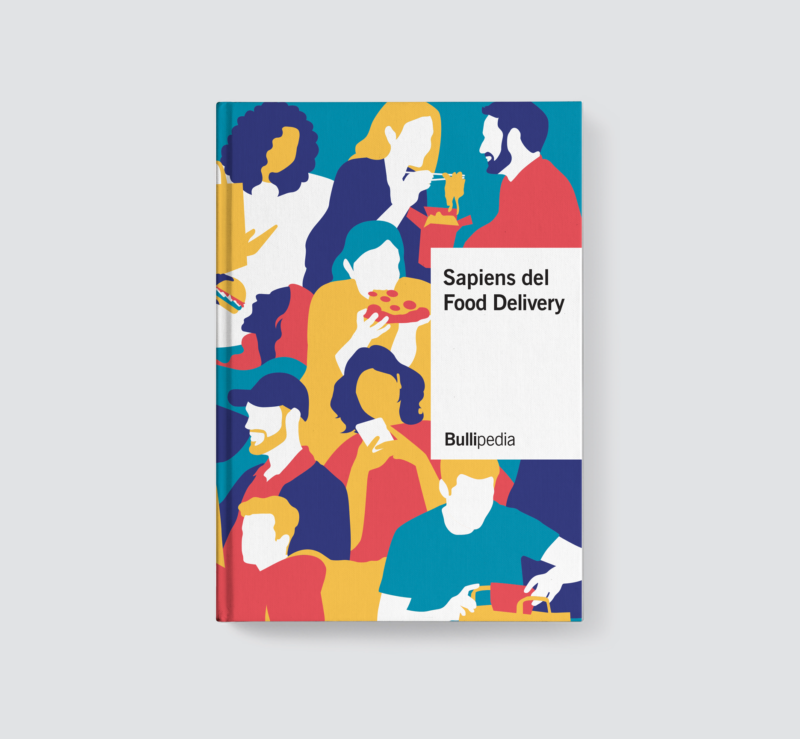
Sapiens of Food Delivery is a research project whose aim is to understand the complex and rapidly evolving food delivery channel. This volume, a study of the economic activity of food delivery, addresses its scope and perspectives from a holistic approach, exploring and analysing all the factors that make up its ecosystem, and the processes and systems involved. It represents an important addition to the extensive reference work that is Bullipedia.
This project has been carried out thanks to the collaboration of AECOC, La Unión and the Thinknovate team throughout this wonderful project.
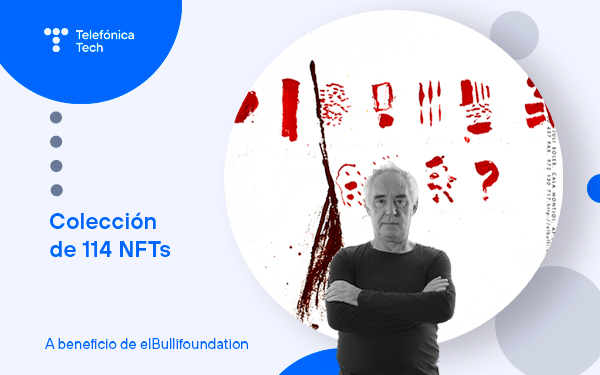
In 2022, Telefónica launched a collection of 114 NFTs inspired by a series of 114 unique drawings by Ferran Adrià that symbolise the history of culinary evolution. Each NFT represents an exclusive digital copy of each drawing, and is accompanied by a digital certificate of authenticity registered in Blockchain that authenticates and attributes ownership. NFTs are non-fungible tokens; that is to say, cryptographic assets that are certified as unique and unrepeatable.
The collection was created by Ferran Adrià in 2013 and has been exhibited in prestigious galleries and international art fairs such as New York, Miami, Madrid and Buenos Aires, etc. In the NFTs, Adrià develops the theory of culinary evolution, trying to capture the genealogy of the beginnings of gastronomy, and breaking with the usual story told about the beginnings of humanity.
The cost of each NFT is 0.1846 Ether, which is equivalent to approximately 500 euros. This collection is traded through the elBullifoundation website or directly on OpenSea, the most widely used marketplace for NFT exchange. All proceeds go to elBullifoundation, a foundation that helps to promote the gastronomic legacy of elBulli.
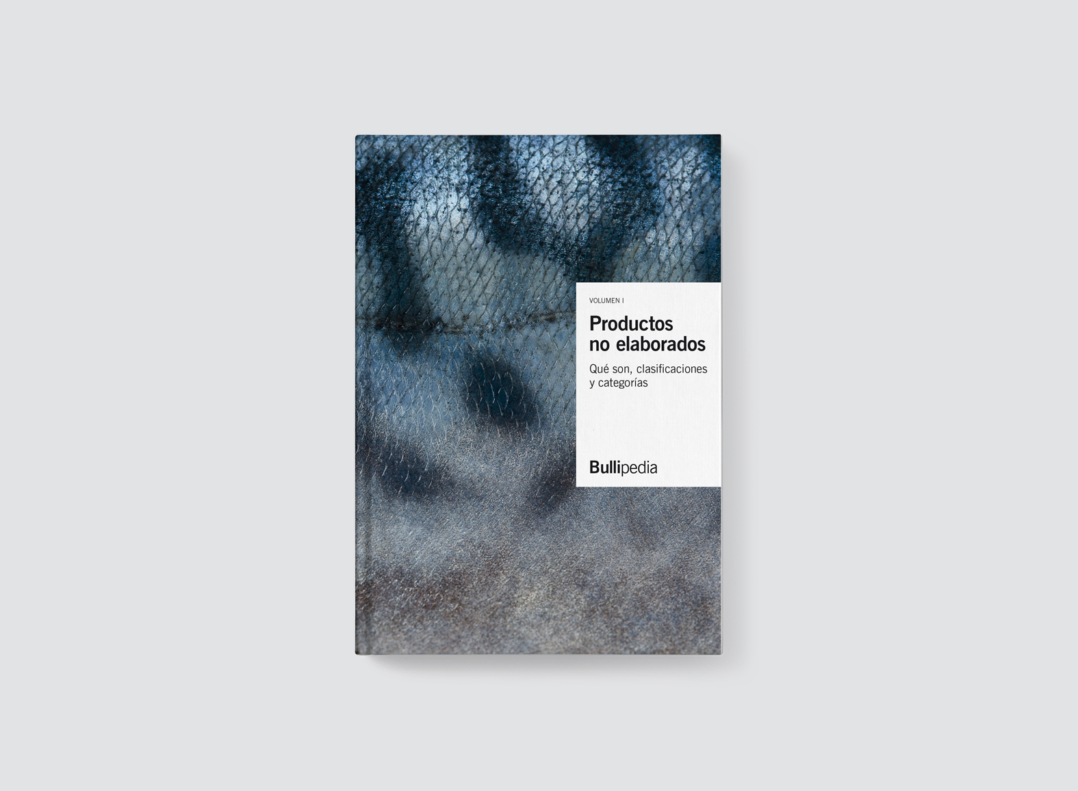
This is the third volume of the Unelaborated Products Sapiens, directed by Ferran Adrià. It draws together the available knowledge concerning unelaborated products in fields such as primary production, chemical composition, purchasing and reception in the restaurant, preservation and storage, food safety and marketing. All these aspects lead us to the restaurant’s cuisine, its raison d’etre. Consequently, we turn our attention to how unelaborated products are used in the kitchen, the techniques and tools that are employed to transform them and, above all, how the customer experiences their consumption in the restaurant.
This, the fifth volume of Wine Sapiens, deals with the act of wine tasting. It gathers together the knowledge necessary to facilitate a rewarding evaluation of wine, addressing all relevant aspects, from organisation, the resources required, tasting categories, tools, etc. This work is connected to volume VI, which undertakes an organoleptic analysis of wine. Together, the two volumes total around 1,000 pages. This content is used to develop an understanding of technical wine tasting.
This project has been carried out with the help of Vila Viniteca.
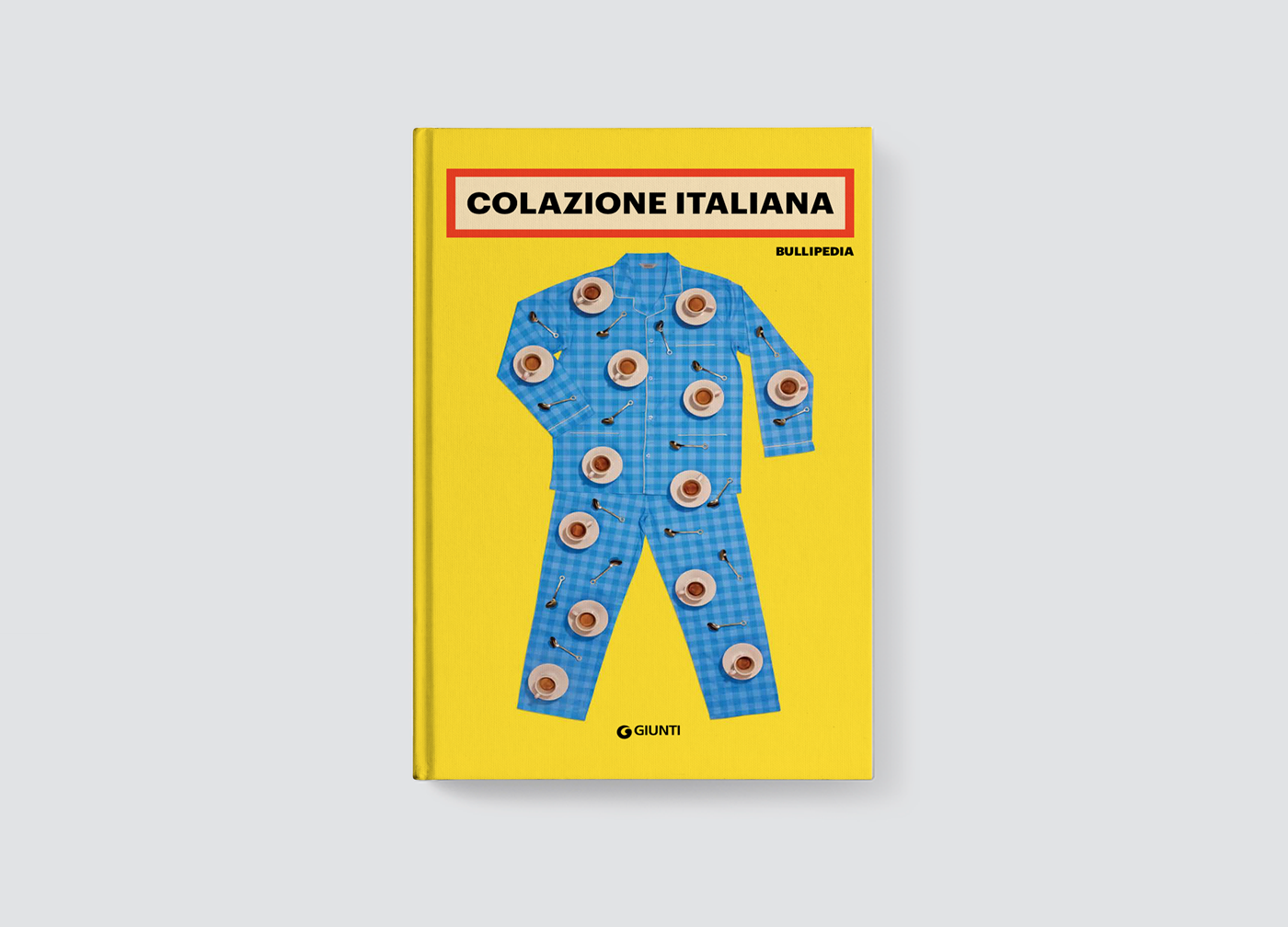
Sapiens methodology provides elBullifoundation and Lavazza with a resource that enables them to analyse in detail “the experience of breakfast». This volume explores the Italian breakfast, a phenomenon that has transformed a daily ritual into a symbol for an entire country.
In 2022, the English language version of Italian Breakfast was published by Phaidon.
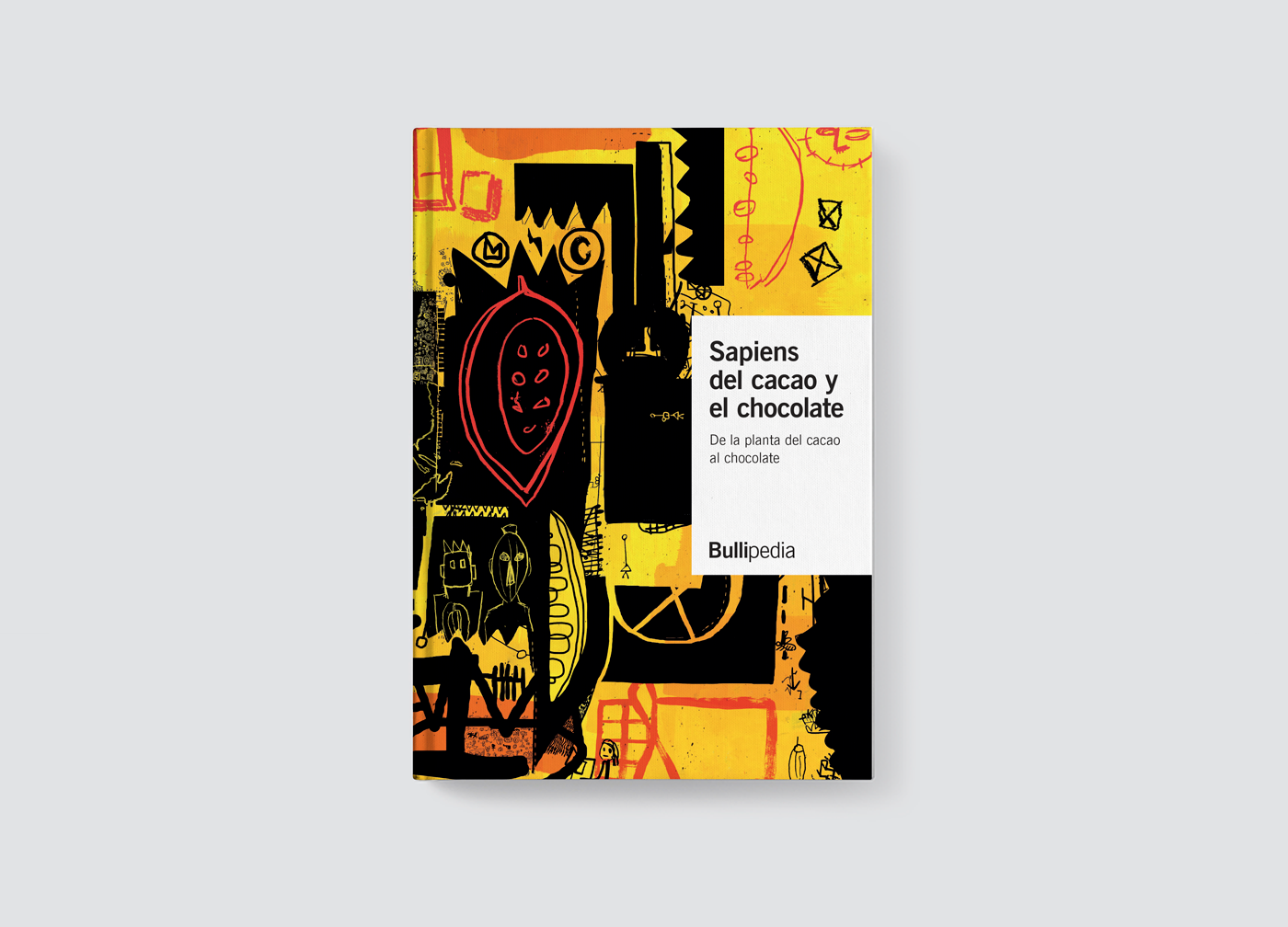
Cocoa and Chocolate Sapiens is a project dedicated to gaining an understanding of chocolate. However, in order to do so, it is first necessary to fully understand cocoa. Although this book is included in the Bullipedia monographs, it is somewhat unusual, given that it is dedicated to a product that is not only an elaboration, but can also be an elaborated and unelaborated product, too.
In the making of this volume, we have been able to count on experts such as Herbert Adolfo Castellanos, Olivier Fernández, David Gil, Ángel Lluch, Christian Martínez and Jan-Marcel Schubert.
The scope of this project, carried out with the help of Xocolata Jolonch, is to show the different processes involved in the making of chocolate, from the initial collection of the cocoa seed right through to the elaboration of the final product.
The documentary Las huellas de elBulli, focusing on the personal and gastronomic legacy of Ferran Adrià, was presented at the 69th San Sebastian Festival in the Culinary Zinema Section. A Movistar+ production directed by José Larraza and Iñigo Ruiz.
The documentary traces the personal legacy of Ferran Adrià through his everyday life, with meetings and testimonies from the elBulli team and those involved in elBulli1846, and private, day-to-day moments with his wife Isabel. We will again see the celebrated chef back in the kitchen. Whilst testimonies of such renowned colleagues as José Andrés and Juan Mari Arzak make clear Adrià’s gastronomic legacy, the scope of his influence beyond the kitchen is also revealed through interviews with professionals influenced by his ideas in the world of design, art and creativity.
In 2021, RBA and Phaidon launched a new edition of The family Meal to celebrate the 10th anniversary of the original book launch.
Comprising 384 pages and 31 menus, the book has been published in 18 languages: Spanish, Catalan, English, French, Italian, German, Russian, Simplified Chinese, Traditional Chinese, Dutch, Hungarian, Swedish, Croatian, Brazilian, Danish, Finnish, Korean and Japanese.
The Family Meal was originally conceived as a memento for the many workers who passed through Cala Montjoi. It is a compilation of the homemade recipes that fed the team daily. The dishes, costing less than €4 per person, formed part of simple daily menus, which took into account food intolerances, diets, personal tastes, and the use of ingredients.
The study and research period for the second research program at elBulli1846 was between April 1st and June 30th 2021
In this second research program, a new research team of nine was selected. To this team, a further three members from the previous research program were added. The objectives of this second program necessitated the selection of a team with a greater professional link to cuisine, although maintaining a multidisciplinary aspect was viewed as essential given the holistic nature of our projects. Consequently, the team comprised professional profiles from disciplines such as journalism, history, science and philosophy, etc.
On the research program website, the projects carried out by the team, both individually and transversally, are explained in detail.
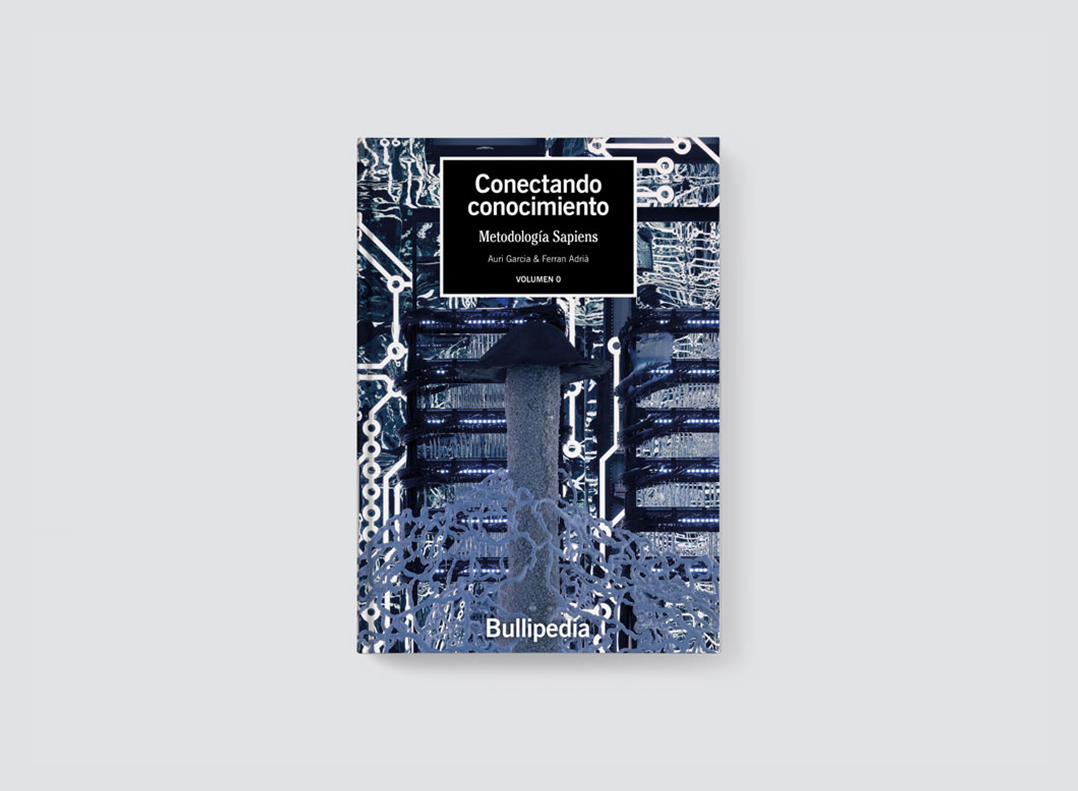
elBullifoundation has worked on a website parallel to the book Linking knowledge. Sapiens Methodology, that summarises the Sapiens methodology. It is a website focused on the international public, since, with the help of new technologies, it can be translated into many languages.
The objective of this website is to continue the foundation’s mission of sharing knowledge, through the dissemination of the Sapiens methodology, and as a response to those professionals interested in knowing how we link knowledge at elBullifoundation.
The first Bullipedia book published simultaneously in Spanish and Catalan, made in collaboration with the Ara newspaper.
This work explains the Sapiens methodology, which was developed by Ferran Adrià and the elBullifoundation team with the aim of creating a tool that enables knowledge from widely diverse fields of study to be linked together for research purposes. Sapiens is the central axis of all the projects undertaken by the foundation.
In the making of this volume, we have been able to count on experts such as Israel Ruiz, David Bueno, Mario Tascón, Toni Segarra, Marcel Planelles, Michelle Greenwald, Joaquín T. Limonero, Miquel Centelles, Sílvia Sánchez and Sílvia Timón.
elBullifoundation resurrected its old publishing brand, elBullibooks, to edit Physiology of Taste in the 21st Century.
Physiology of Taste in the 21st Century is an unfinished work by Luis Racionero, posthumously completed by Alexis Racionero. It is a book written by two hands that follows the structure of the original version of Brillat-Savarin’s first edition. Presented in the form of reflections and anecdotes from countless meals, it is a great celebration of gastronomy, good taste and the pleasure of the senses. A compendium of hedonism and freedom.
The study and research period for the first research program at elBulli1846 was between August 1st and November 15th 2020.
Following a recruitment process that saw an extraordinarily high level of candidature, a 10-strong research team was appointed offering multidisciplinary balance and gender parity.
On the research program website, the projects carried out by the team, both individually and transversally, are explained in detail.
A library exhibition project, which is also both consultative and with scope for research. The project demonstrates how both facets, the consultative and the expository, can be combined effectively.
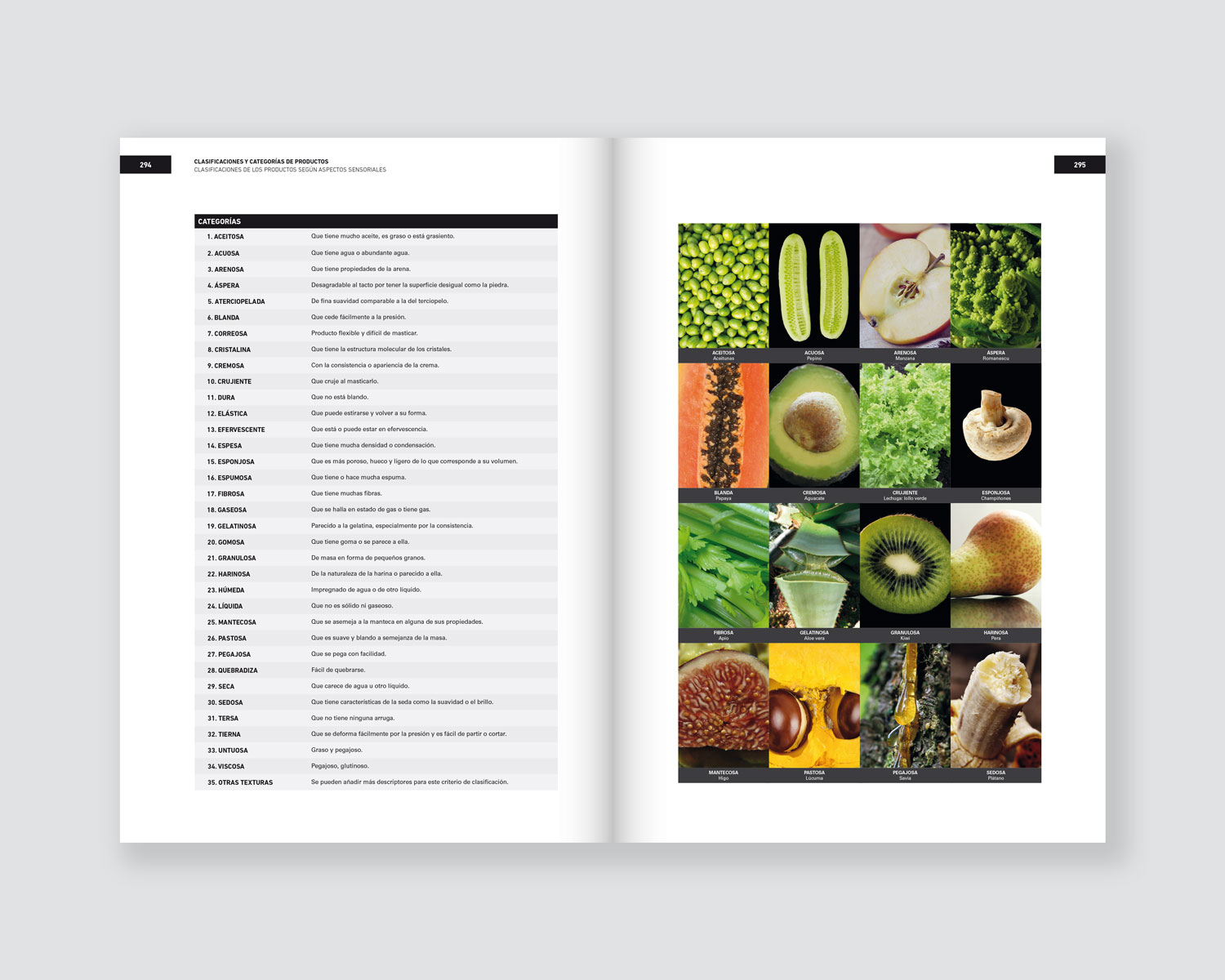
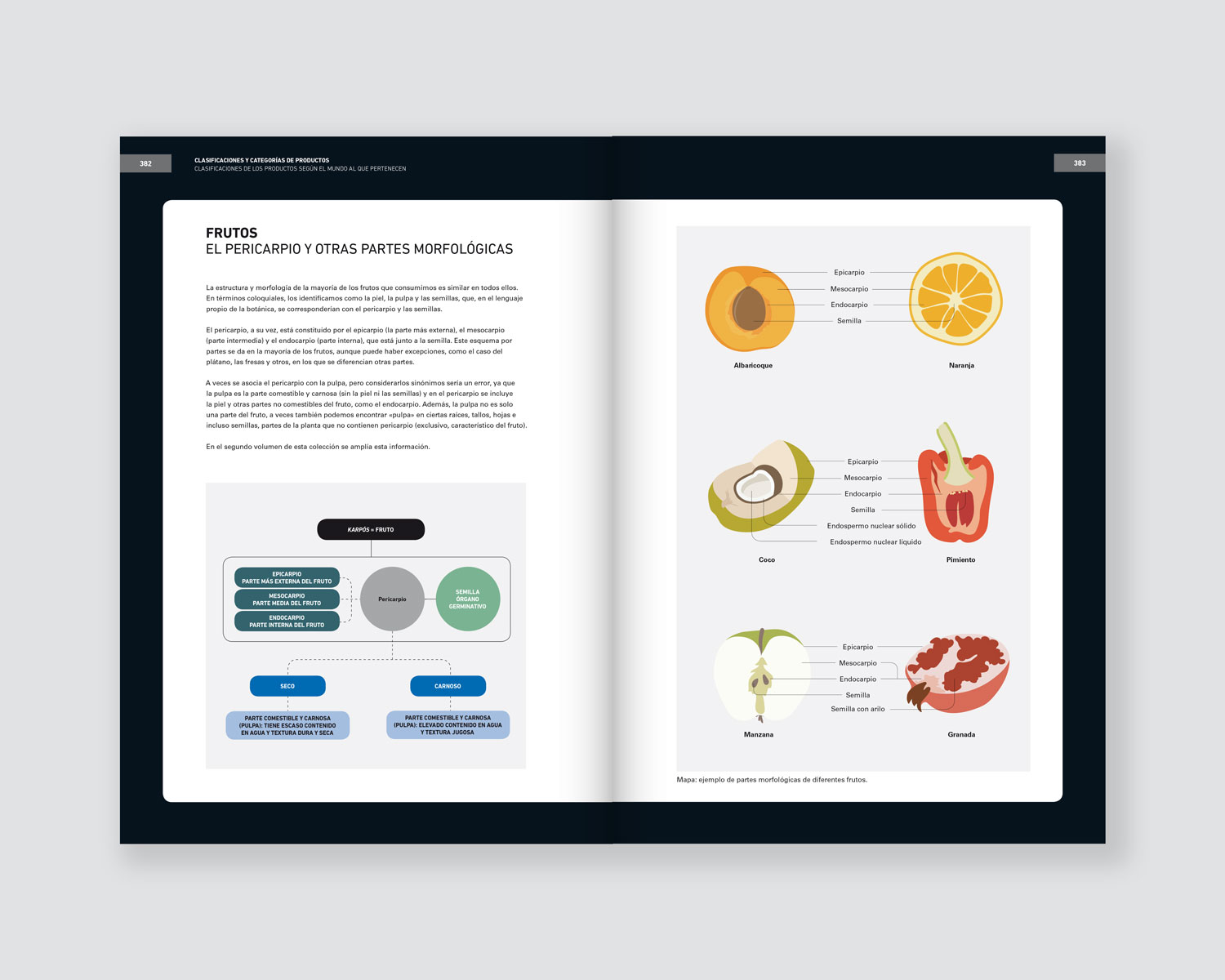
Taxonomy is the second of three volumes that comprise the Sapiens of Unelaborated Products project. Employing our usual holistic approach, Taxonomy analyses this complex field in order to establish the best way to classify unelaborated products, which are defined as those products that reach us without having undergone any processing technique that substantially modifies them. This classification will then allow us to understand unelaborated products in a global manner.
In the making of this volume, we have been able to count on experts such as Jordi Olivé-Rodés, Montserrat Andreu, the Semillas Fitó team, Dr. Javier Cremades Ugarte and Dr. Rodolfo Barreiro Lozano.
The natural habitat of the sommelier is without doubt within the fine dining restaurant. This fourth volume of Wine Sapiens defines and explains what sommeliers do and what role they play within the enterprise.
In addition, this volume analyses the organisation and operation of an establishment and the tasks of sommeliers within it, defining and explaining the techniques, tools, products and knowledge essential to carry out their functions. Above all, however, this volume explores the professional culture of the sommelier.
A project by elBullifoundation with the help of Vila Viniteca.
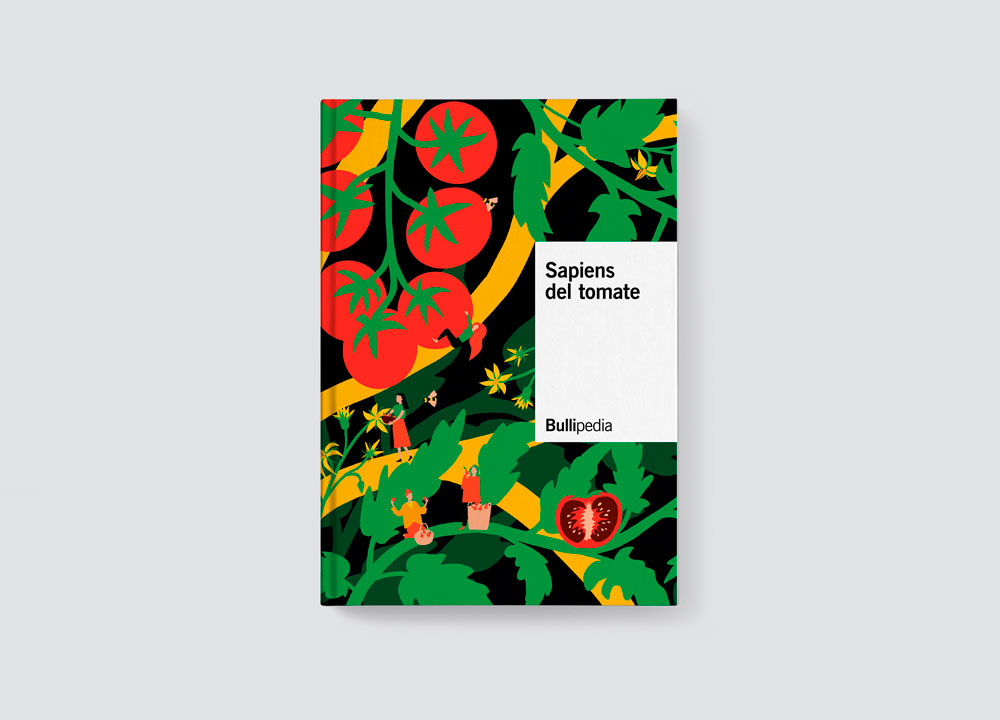
This was the first monographic book dedicated to unelaborated products. Tomato Sapiens was produced with the help of Semillas Fitó, and can be applied to all unelaborated products.
In the making of this volume, we have been able to count on experts such as Sheila Álvaro, Jordi Ballester, Marta Fernández, Eduard Fitó, Tom Lombaerts and José Antonio Rozas.
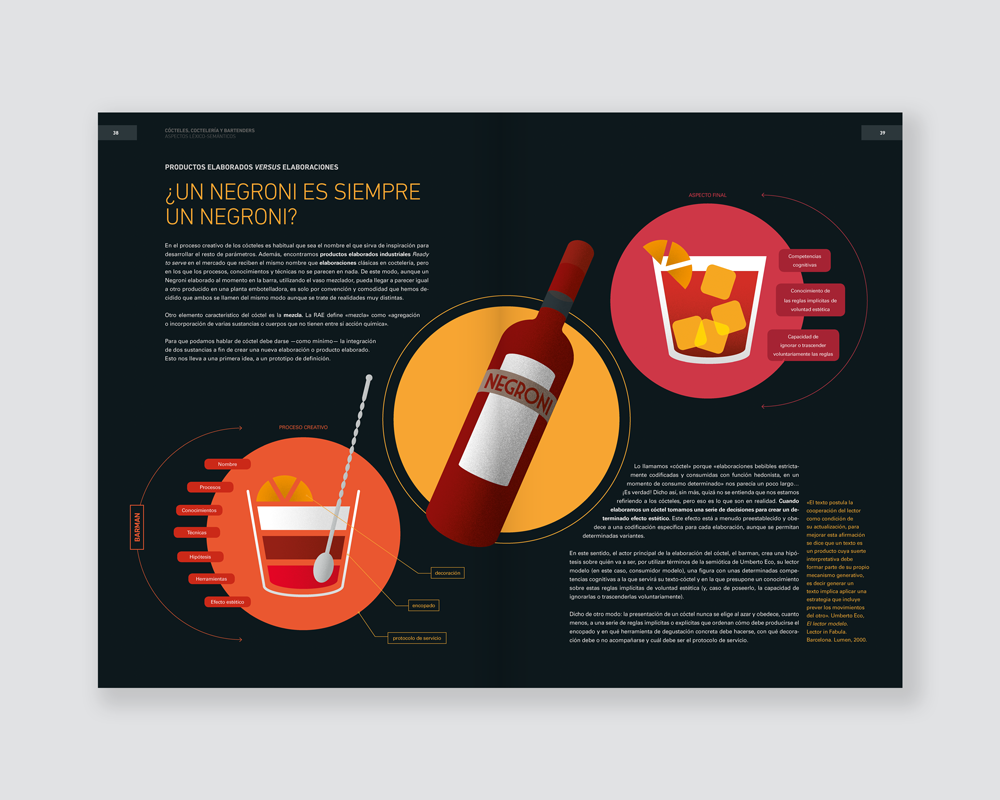
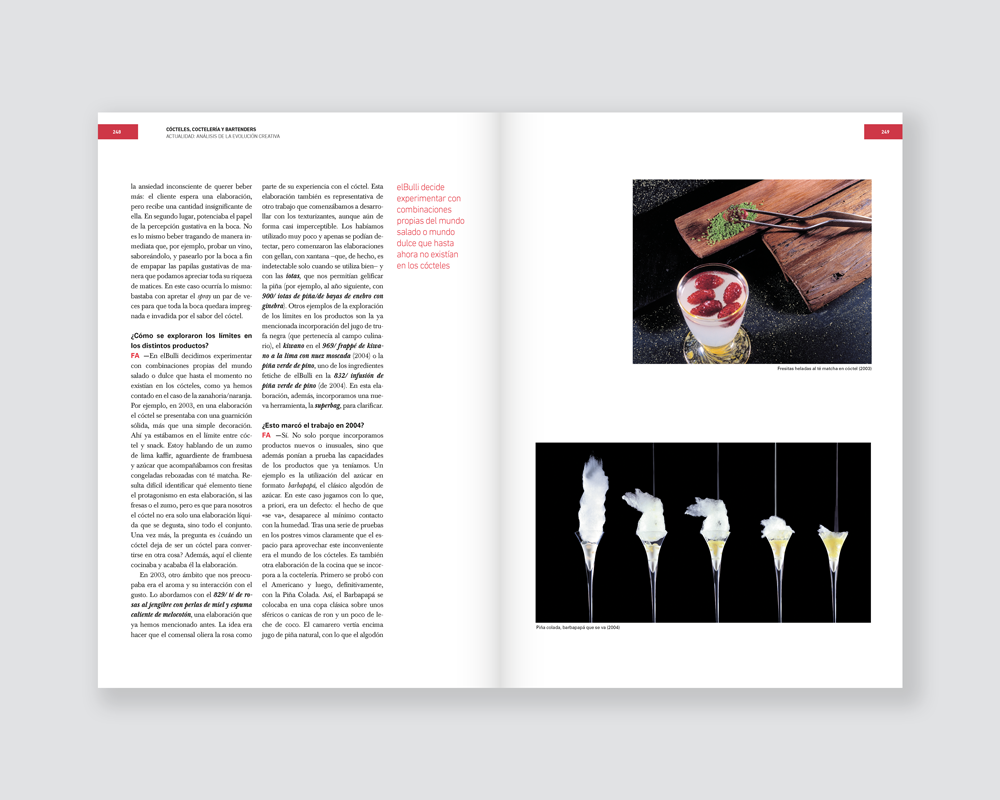
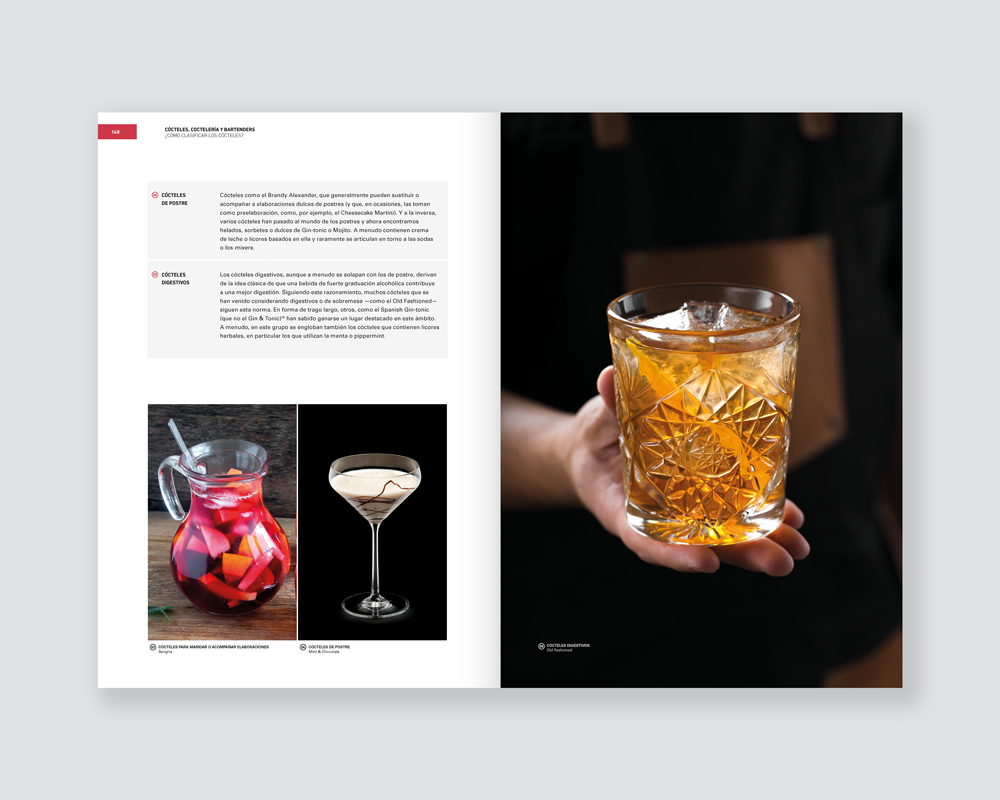
The third volume of Cocktail Sapiens focuses on edible gastronomic products. A research work that establishes the classificatory criteria that allow us to understand the complexity and richness of liquid, solid and gaseous products, essential resources for the bartender when creating and/or making cocktails.
In the making of this volume, we have been able to count on experts such as Javier De Las Muelas, Gerard Acereda, Simone Caporale and Manel Vehí.
elBulli1846, inaugurated on 1st August 2020, is one of the main spaces in elBullifoundation, located at the old site of elBullirestaurante in Cala Montjoi (Roses).
It is an exhibition lab whose function is to undertake studies, investigation and experimentation in order to generate knowledge based on the theme of efficiency in innovation, at both a basic and applied level. Placing a particular focus on SMEs and microenterprises, the exhibitions that gather together this content are envisaged to function as a tool to facilitate further work.
elBulli1846 consists of two distinct teams working together, the Basic Sapiens Lab and the Applied Sapiens Lab. Both teams are directed through the application of the Sapiens methodology, the central axis of all the foundation’s projects, and whose focus is on connecting knowledge applied to management and innovation.
The centre will also host an exhibition space that will occupy an area of 4,000 m², housed in both outdoor and indoor zones.
Within the framework of a collaboration with CaixaBank, an online campus was established on 15th June 2020 offering an intensive program to help entrepreneurs understand the complexities of management and assess the future prospects of their business, placing a particular emphasis on the analysis of their financial situation.
Directed towards the managers of fine dining restaurants whose businesses were functioning successfully before the COVID-19 pandemic, but who may need additional tools, help and advice to withstand the crisis that resulted from it. A program to help managers relaunch their business in light of the new environment, able to face with greater confidence whatever the future may bring.
The program is divided into two training and counselling phases. The first, consists of short training seminars in which the focus is mainly placed on an analysis of the financial situation. The second phase focuses on a day-to-day improvement in the restaurant’s management based on the learning acquired and an understanding of how to deal with differing scenarios.
The principal aim of the first volume of this multidisciplinary project is to gain an understanding into the many products available for our use, particularly those not requiring the application of processing techniques, and discern their characteristics from numerous classification criteria. The book presents a detailed analysis based on diverse disciplines that helps us to understand and contextualise unelaborated products, and to express them in a simple, understandable and practical way.
In 2021, Unelaborated Products, the English language version, was published by Phaidon.
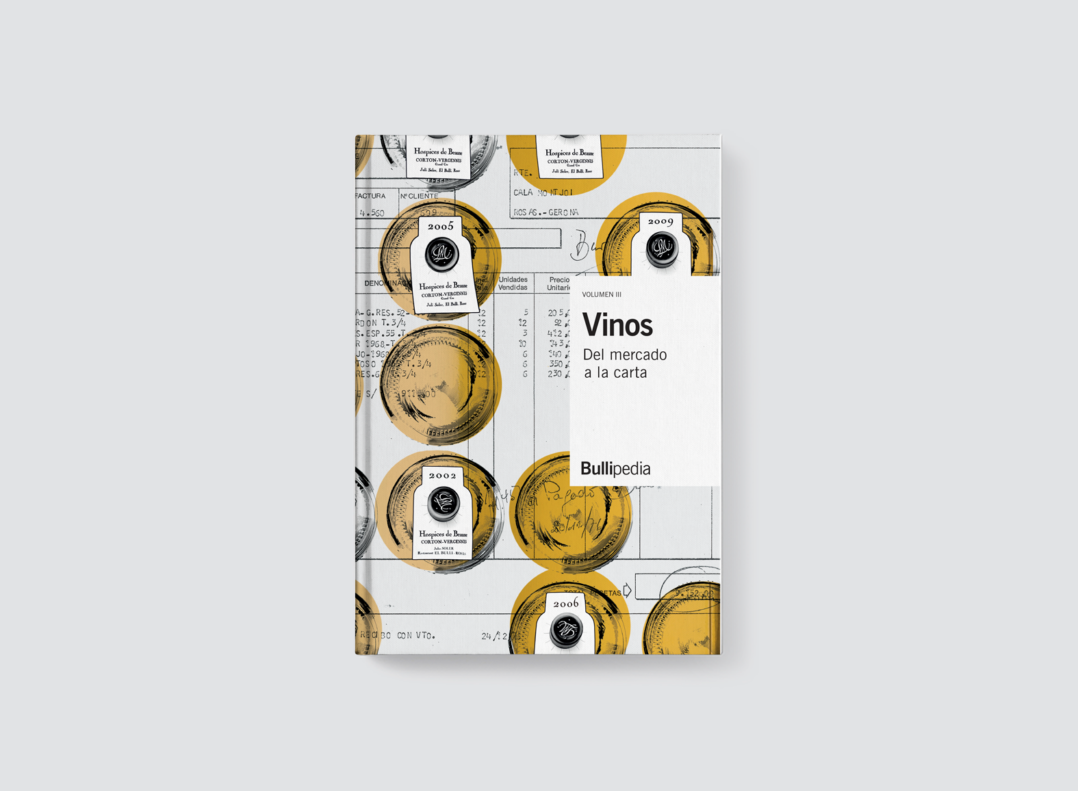
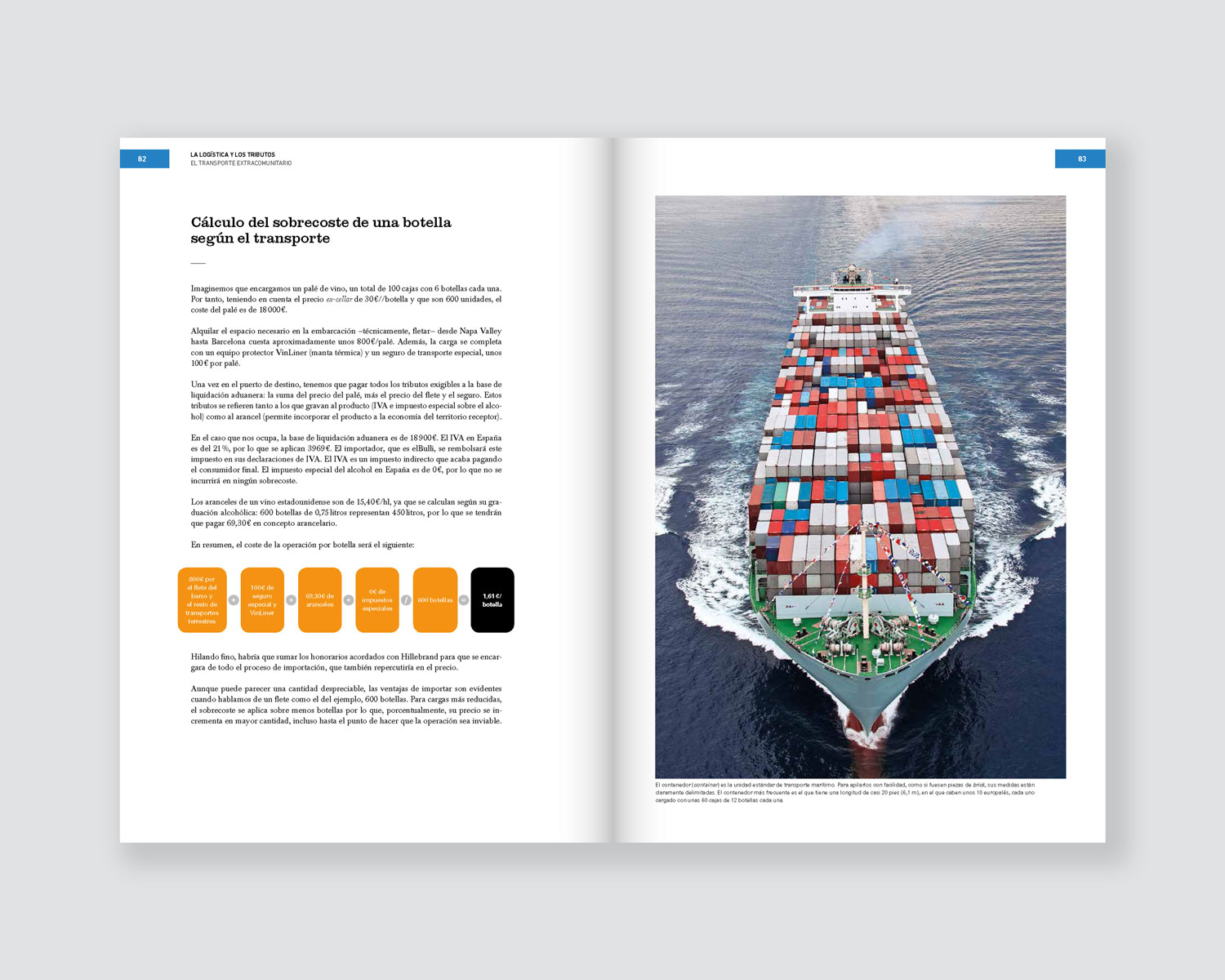
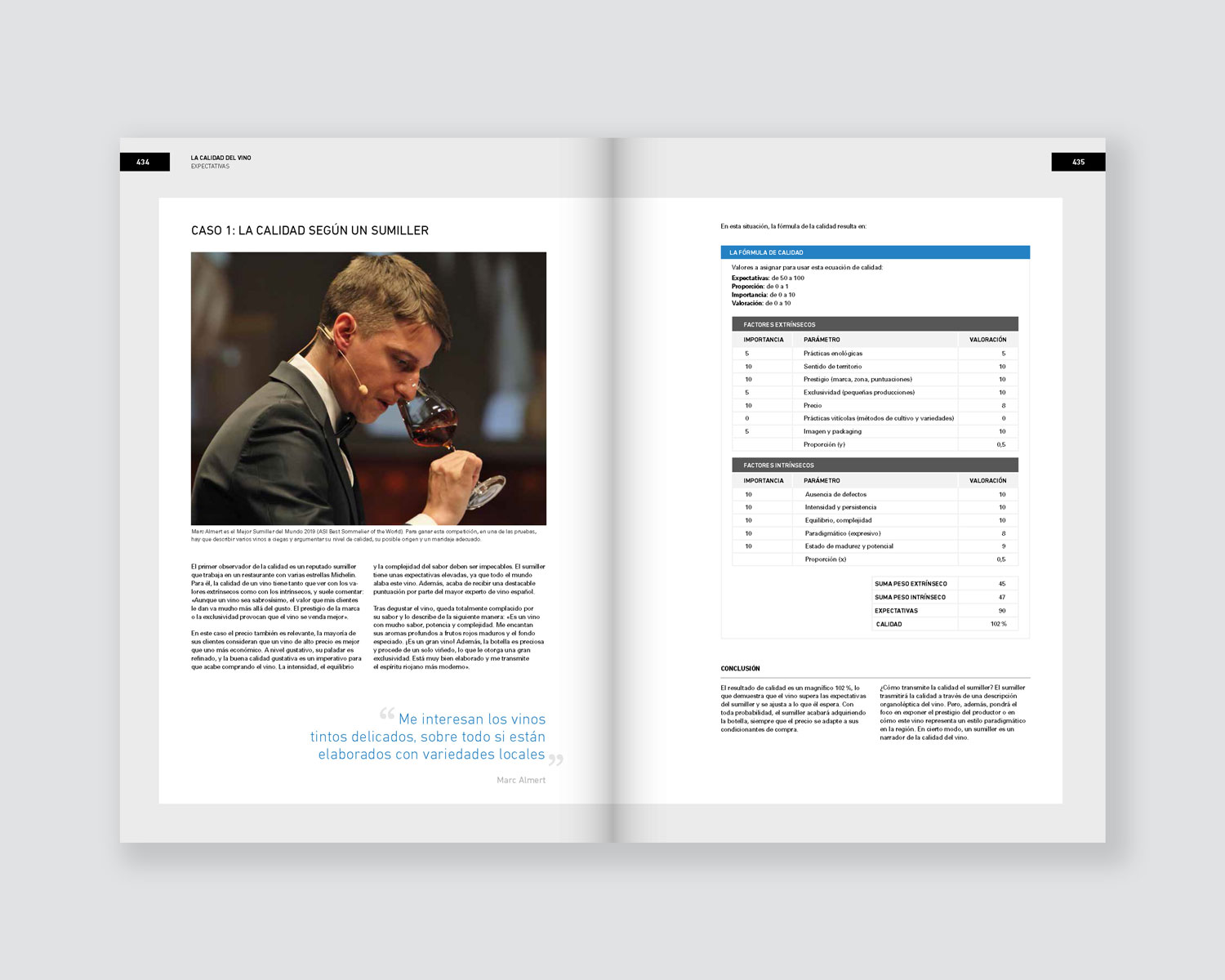
This is the third volume of Wine Sapiens. The book examines the journey that a wine takes from the winery right up to its appearance on a restaurant menu: detailing aspects such as exportation, transport logistics, the pricing of the wine, factors determining the restaurant offer, the sommelier’s role in purchasing the wine, and the wine list. Likewise, we explore in depth the most relevant factor leading the sommelier to buy a particular wine: the quality of the product.
In taking this tour of the world of wine, we had the privilege of being accompanied by some of the best sommeliers on the planet, whose experience and knowledge enriches this volume.
The content has been developed through a collaboration between Vila Viniteca and elBullifoundation.
In the making of this volume, we have been able to count on experts such as Xavier Valencia, Carlos Carvalho, David Rubert Boher and Quim Vila.
This second volume of the Sapiens of cocktails, functions as a guide for any bartender with the ambition of running a cocktail bar. There is a focus on the business vision that is required, as well as on the personal characteristics necessary for a good bartender. This establishes the key to good leadership, so that the cocktail bar becomes a business with a good chance of success, whether in relation to the organisation, the operation of all areas of responsibility, or in the experience it offers to customers.
In the making of this volume, we have been able to count on experts such as Javier De Las Muelas, Gerard Acereda and Simone Caporale.
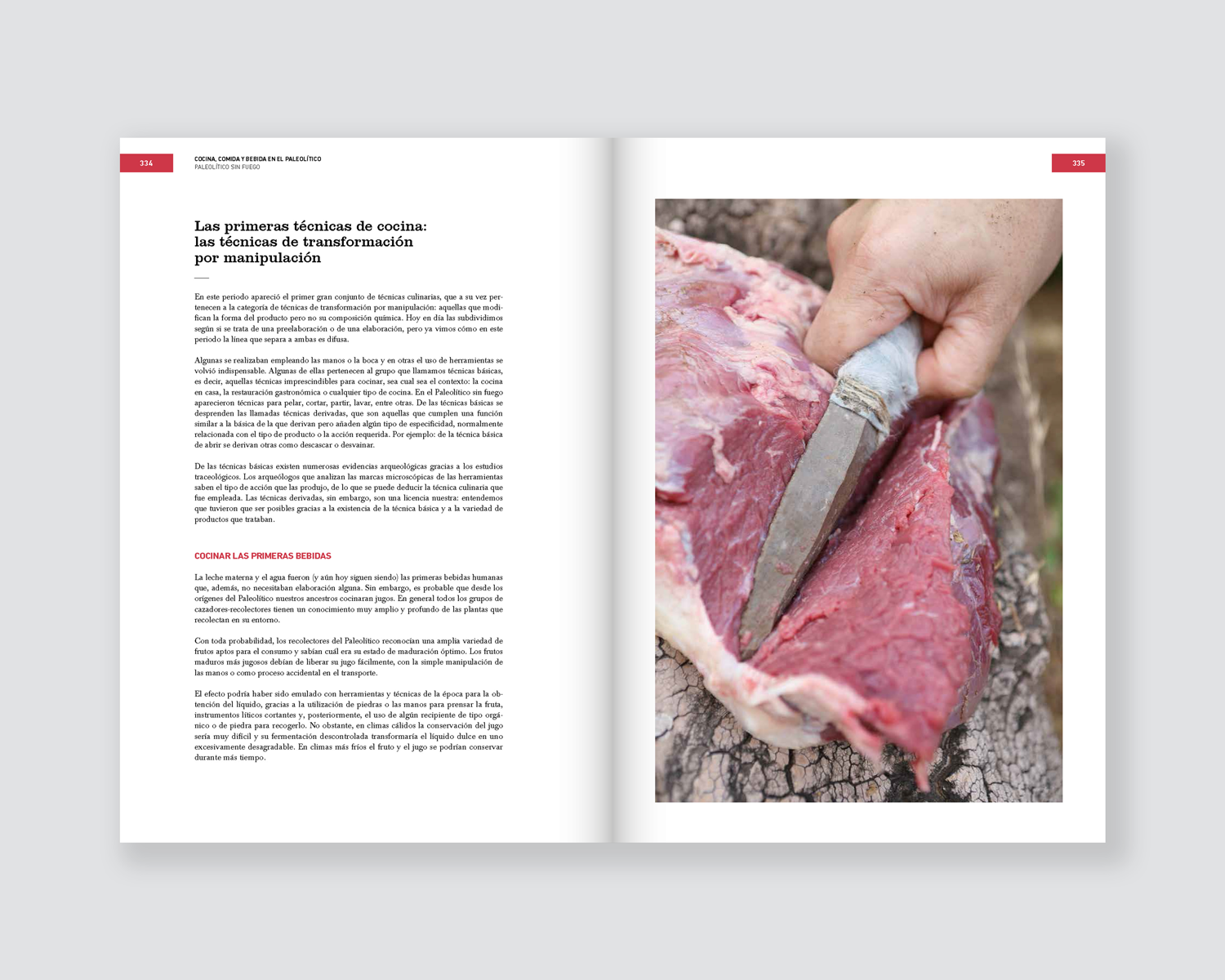
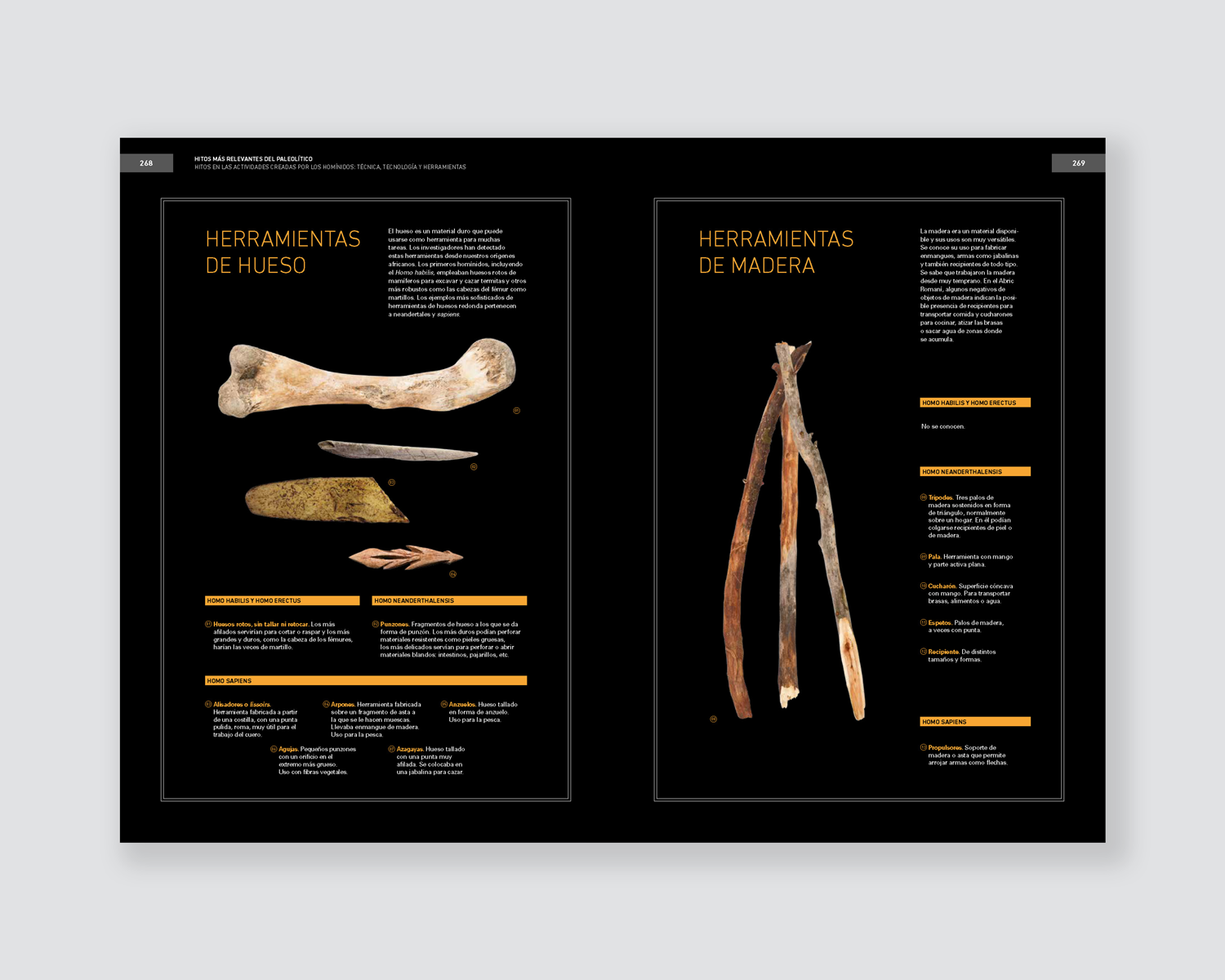
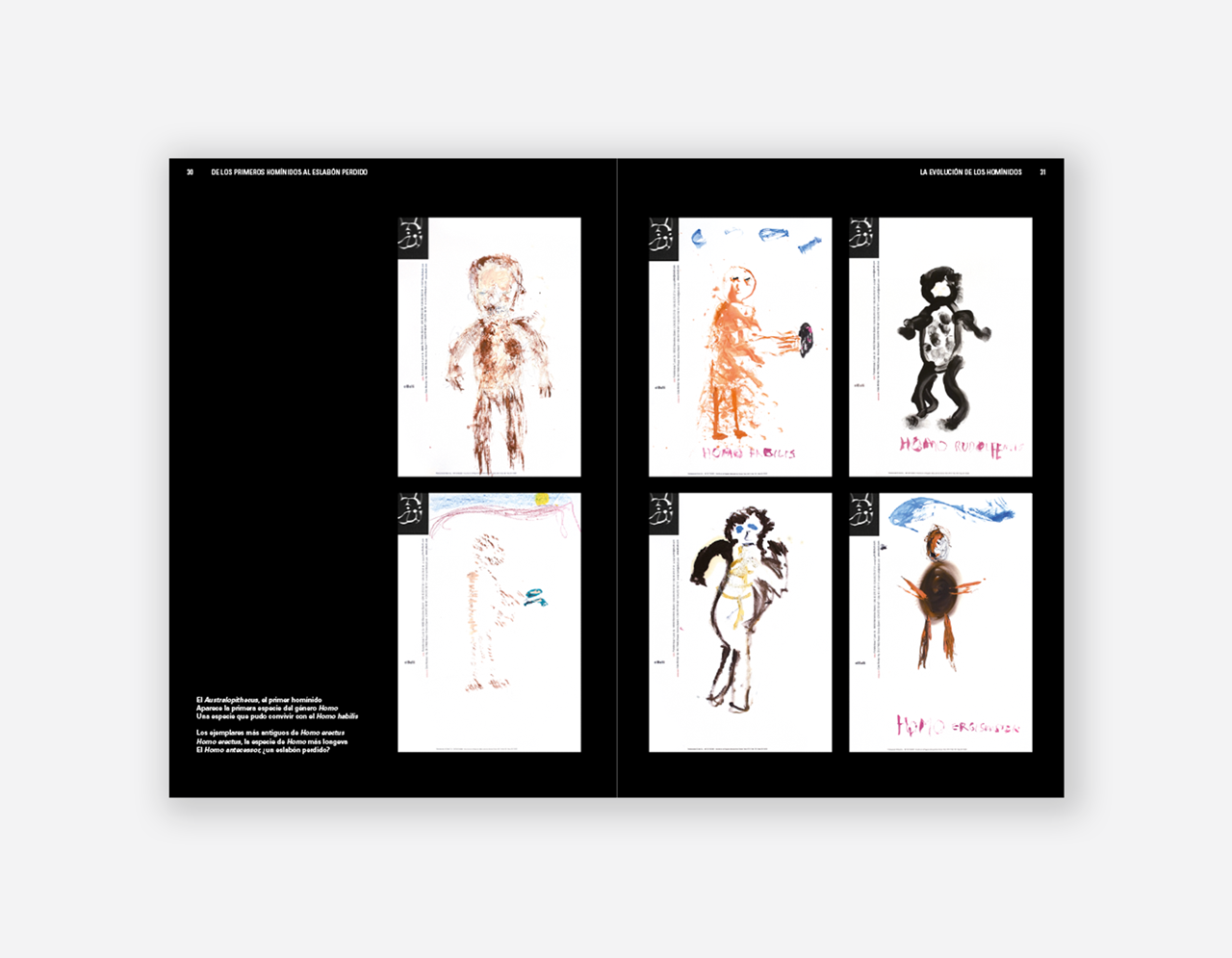
This book is the first of the Bullipedia collection of books dedicated to the history of the gastronomic restaurant sector in the West. The art of cooking was invented during the Paleolithic period, at the same time that our species, Homo sapiens, evolved. Along with an analysis of the food, drink and cooking of these early periods of history, we employ the Sapiens methodology, created by Ferran Adrià and the elBullifoundation team, to analyse the characteristics of the human race, how it evolved and why it is the most creative species on the planet.
In the making of this volume, we have been able to count on experts such as Eudald Carbonell, Antoni Palomo and Toni Massanes.
In 2021, The origins of cooking, the English language version, was published by Phaidon.
Since 2019 Ferran Centelles, sommelier of elBullirestaurante and drinks director at elBullifoundation, has carried out a cycle of conferences called ‘Wine Tour’, held in different wine regions throughout Spain. In these he analyses and promotes the wine appellations of each region, paying special attention to the strategic details that serve as a guide to restaurateurs, winemakers and other professionals in the wine sector. This tour is also a fantastic way of getting to know Bullipedia and the detailed research that it has undertaken in Wine Sapiens.
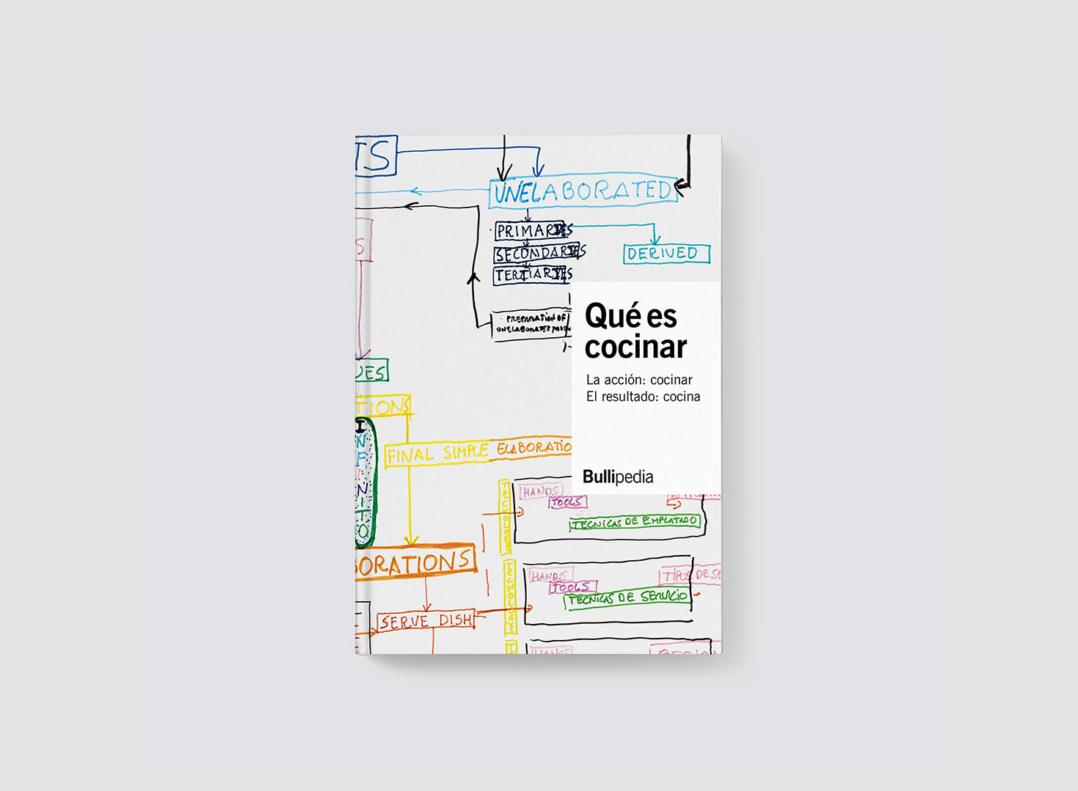
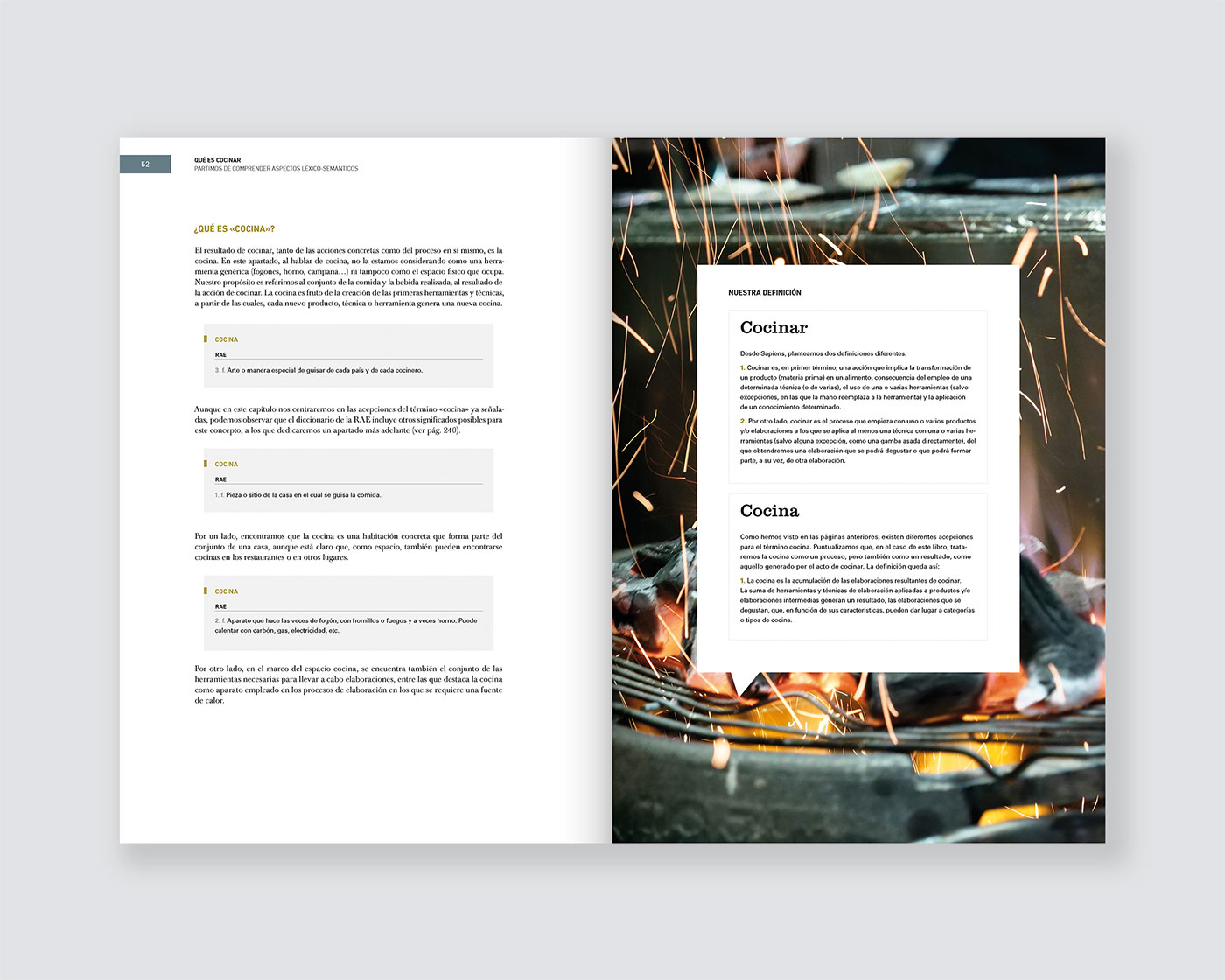
What is cooking is the follow-up to the book Los secretos de elBulli. This volume is the work of Bullipedia under the direction of Ferran Adrià and employing the Sapiens methodology.
Given that cooking is a broad and complex act, there are countless ways of preparing food. This book addresses these possibilities. With its help, the reader can reflect upon what cooking really involves.
In 2020, What is cooking, the English language version, was published by Phaidon.
For more than 110 years, the history of Grifols has been associated with innovation. It is one of the corporate values that most guides the company’s daily activity, and has become a fundamental value for the entire organisation.
The project involves delving into Grifols’ extensive historical archive, applying the criteria of the Sapiens methodology to turn the archive into an open and affordable source of knowledge for those interested in the company and its contributions to haematology and hemotherapy.
As part of this thorough and rigorous Innovation Audit, a digital tour was also designed that showed how the Grifols’ Innovation System functions, how it evolved and the results it has achieved.
Access to content in these different formats will facilitate an understanding of innovation, both in the particular case of Grifols and at a more general level.
May 2019 saw the second edition of the Master’s Degree in Creative Process from the Elisava school, in collaboration with elBullifoundation. Participating students had the opportunity to spend time with Ferran Adrià, both in Barcelona and Cala Montjoi, applying the Sapiens methodology in order to define scenarios for the expository narrative of the elBulli1846 exhibition laboratory. The students undertook research into how to structure, communicate, experience, experiment and interact in creative and innovation processes.
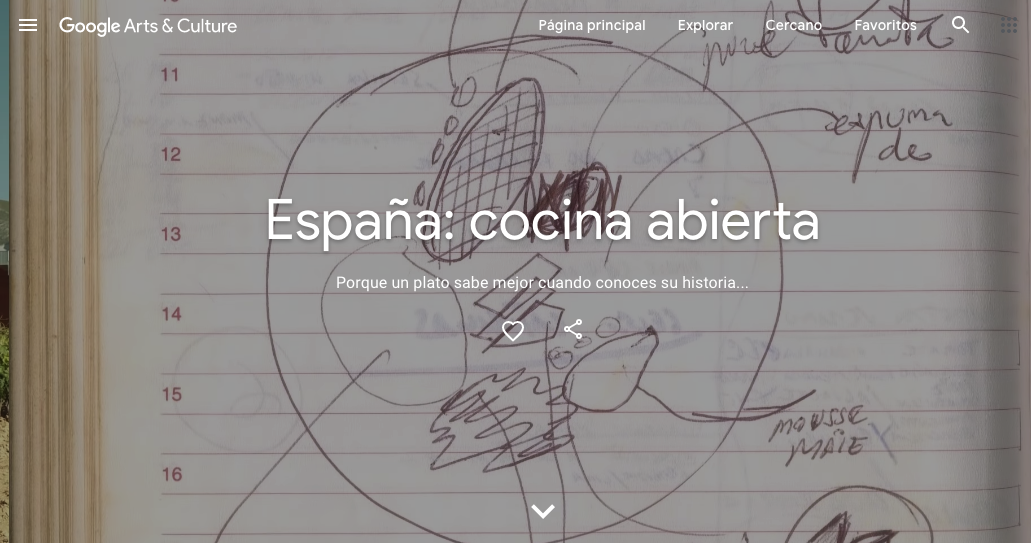
Spain, open kitchen, inaugurated in March 2019, was an “online exhibition” realised in conjunction with Google Arts and the Real Academia de Gastronomía. The most complete work to date on Spanish gastronomy, its goal was to tell the stories of the key figures involved and explore the flavours and cultural legacy that has turned Spain into a culinary landmark.
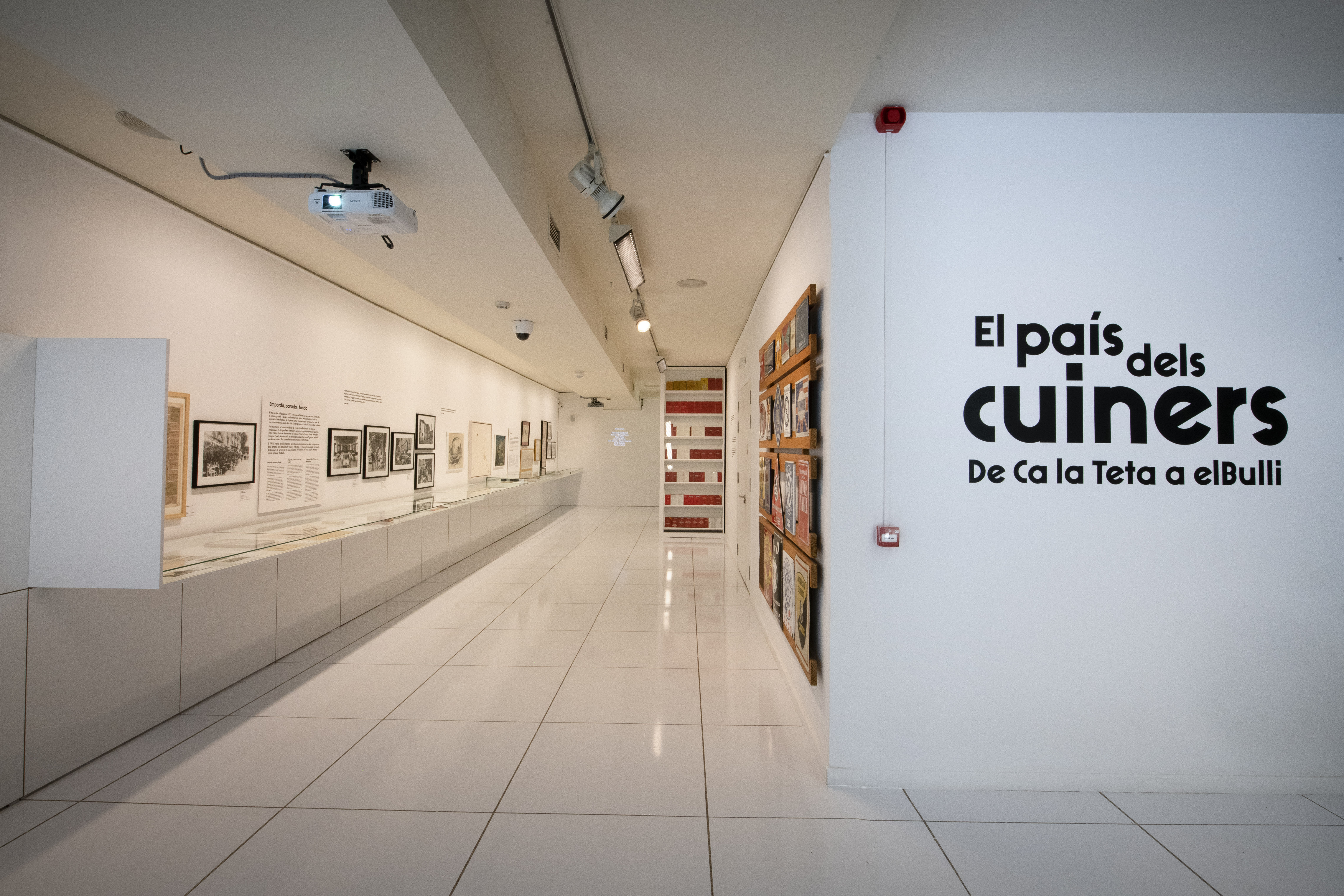
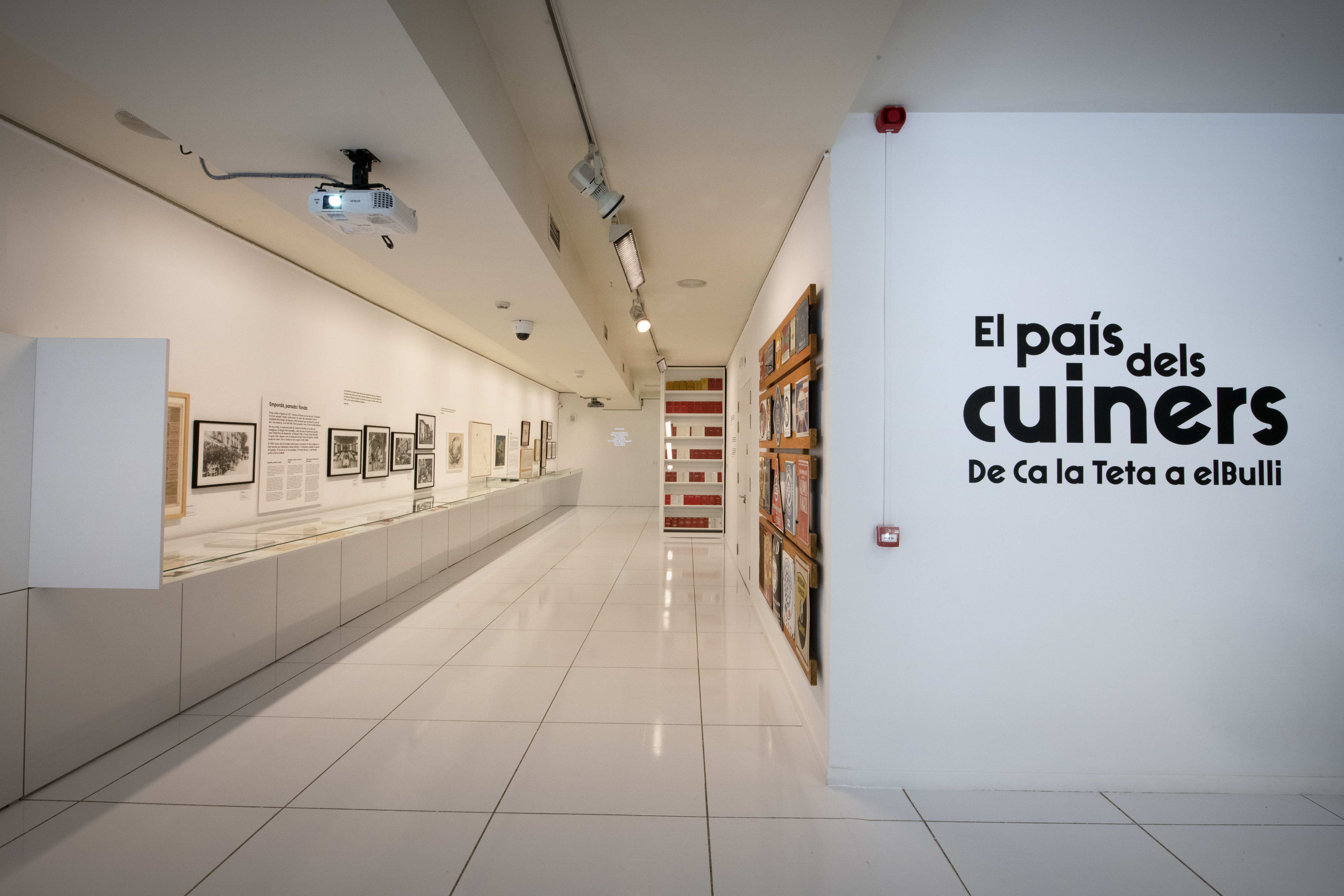
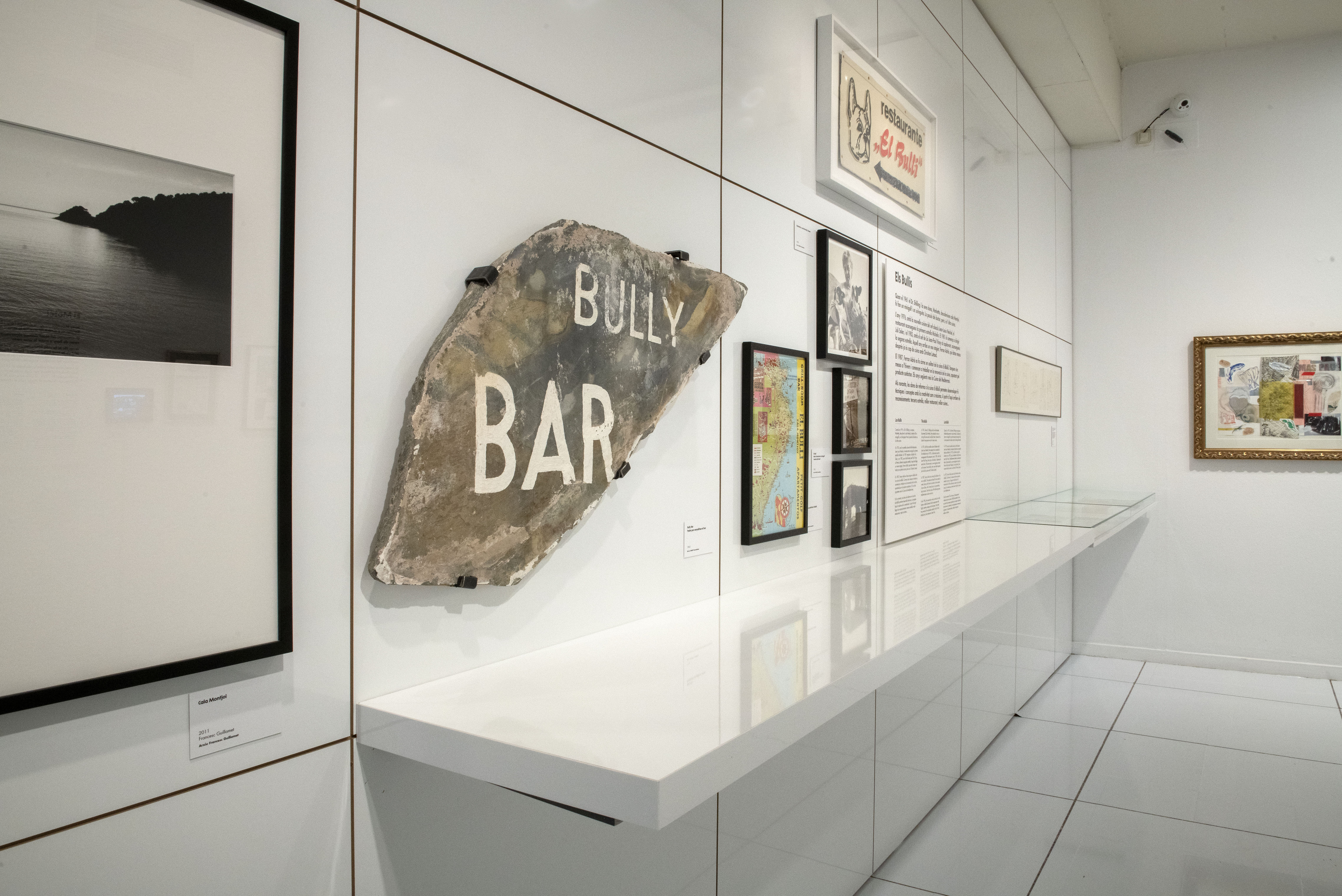
An exhibition, inaugurated in June 2019, hosting a sample of the last 50 years of cooking from the Ampurdá region, evoking its most legendary establishments and delving into the relationship between Ampurdán cuisine and the local artists and intellectuals.
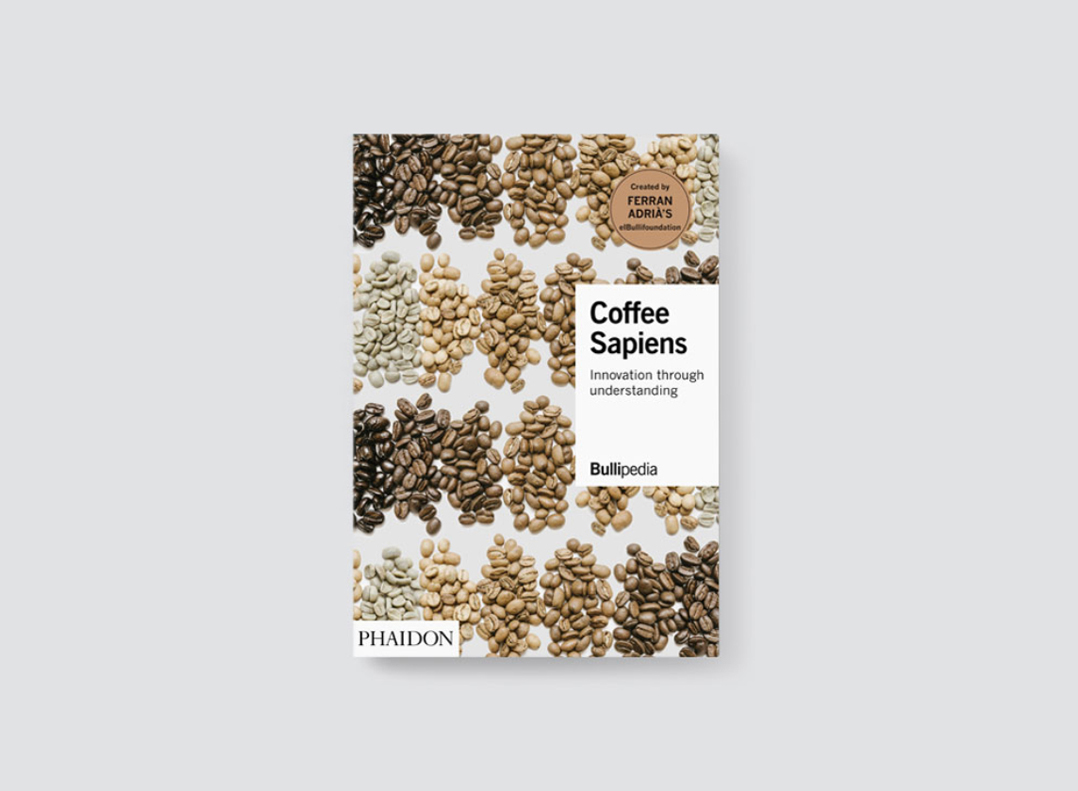
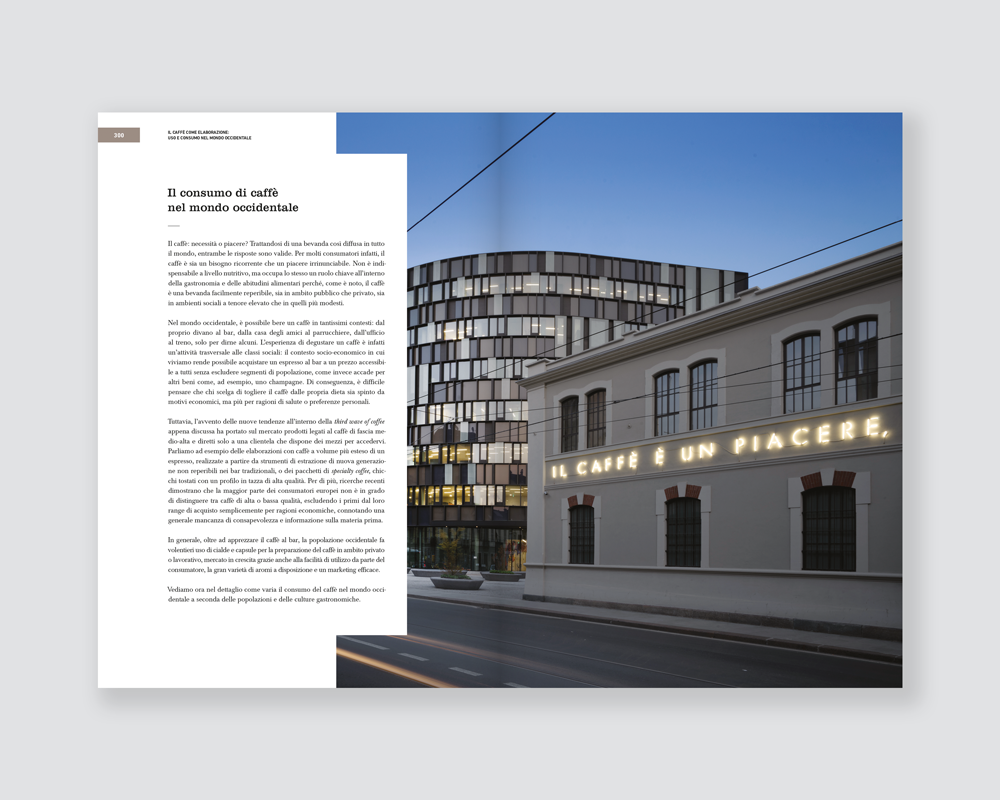
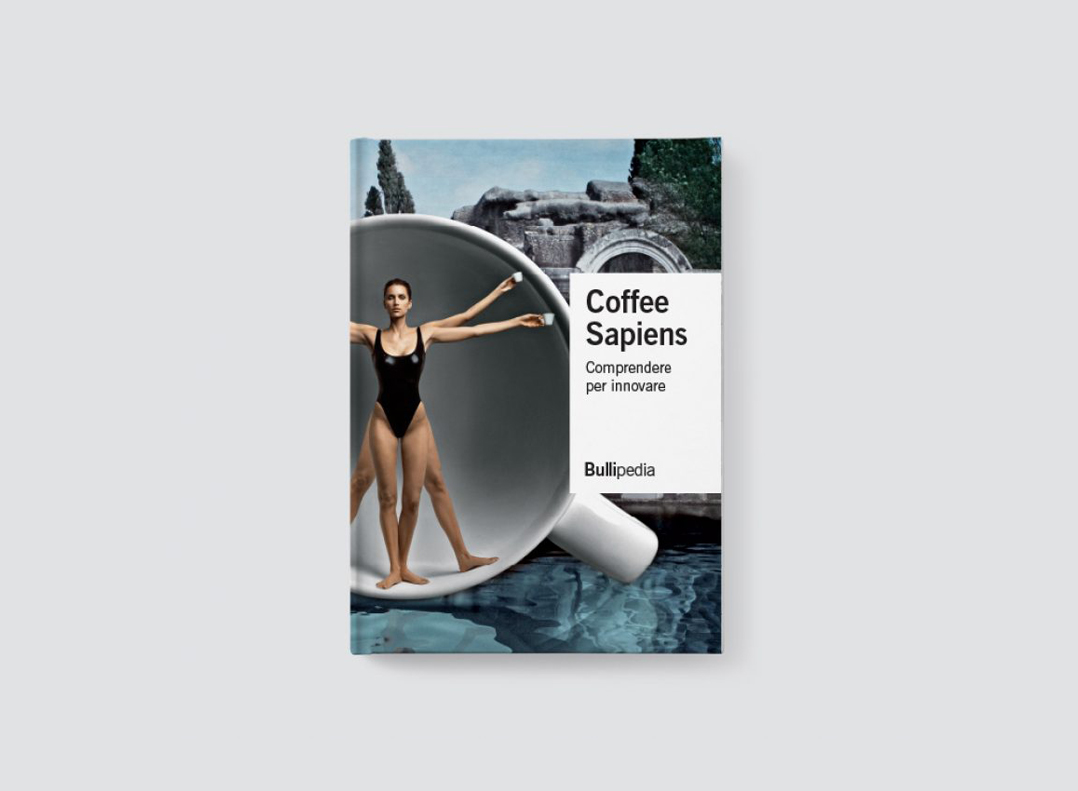
Publication of the English version of Coffee Sapiens, a Bullipedia book whose research was carried out by a multidisciplinary team from Lavazza in collaboration with elBullifoundation. The partnership facilitated a worldwide impact for this holistic project focused on coffee. A project that is dedicated to all coffee lovers and to those with a professional relationship to coffee, especially professionals with an entrepreneurial outlook that prompts them to deepen their knowledge and gain a more global understanding of the subject.
This second volume of the Wine Sapiens focuses on the science of winemaking and takes the reader through the philosophy and art of winemaking. A thought-provoking volume offering a clear explanation of how and where grapes are transformed into this wonderful liquid, wine.
In the making of this volume, we have been able to count on wine expert Antonio Tomás Palacios García.
Thanks to the expertise of a team of professionals from Vila Viniteca, who have made an exceptional contribution throughout the project.
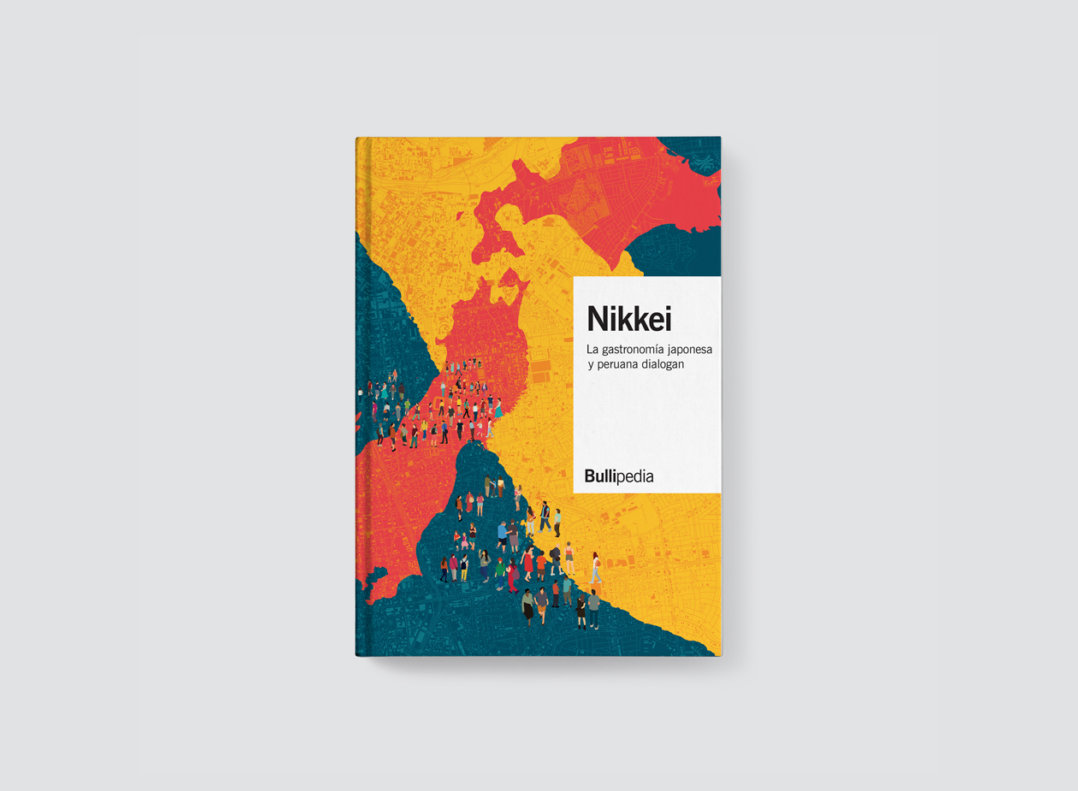
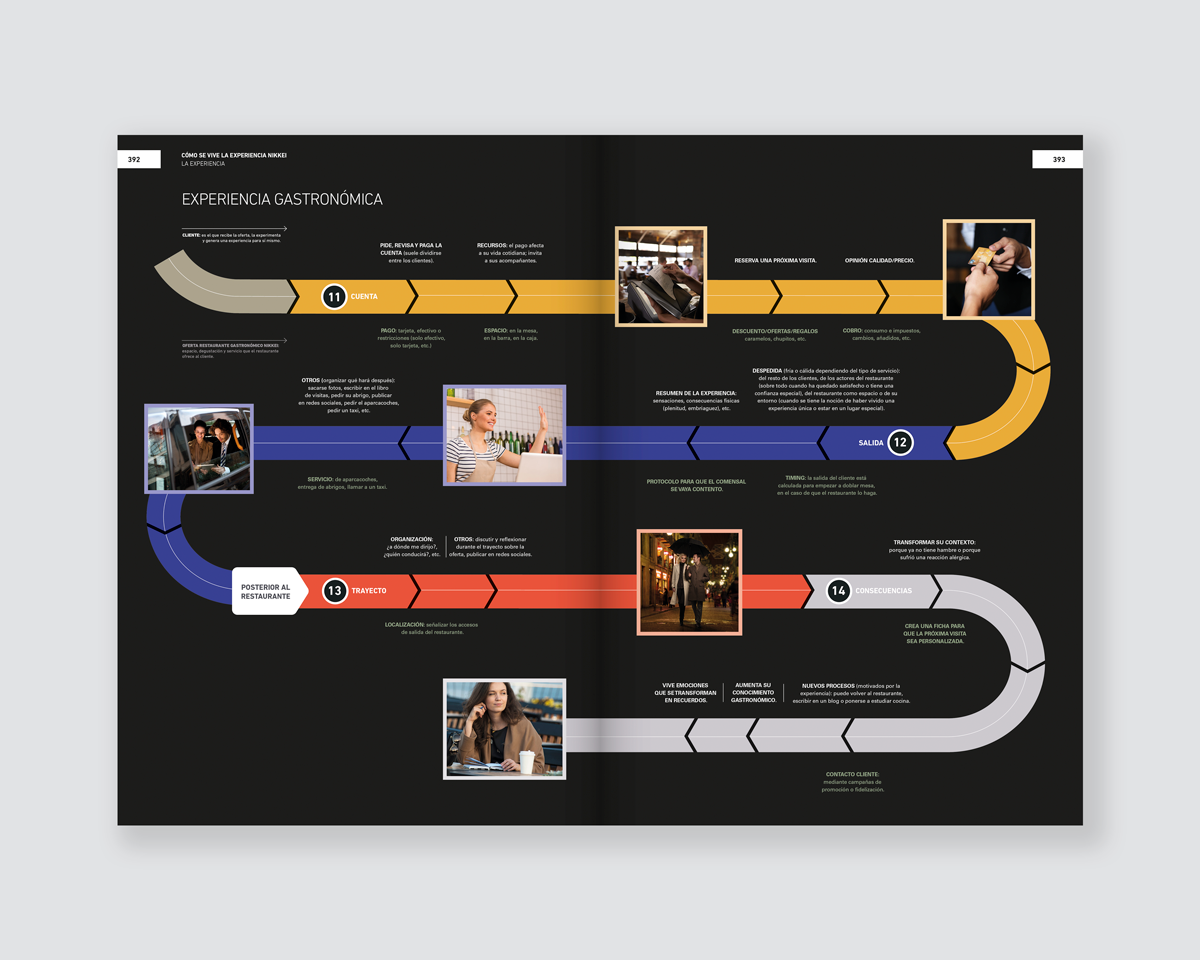
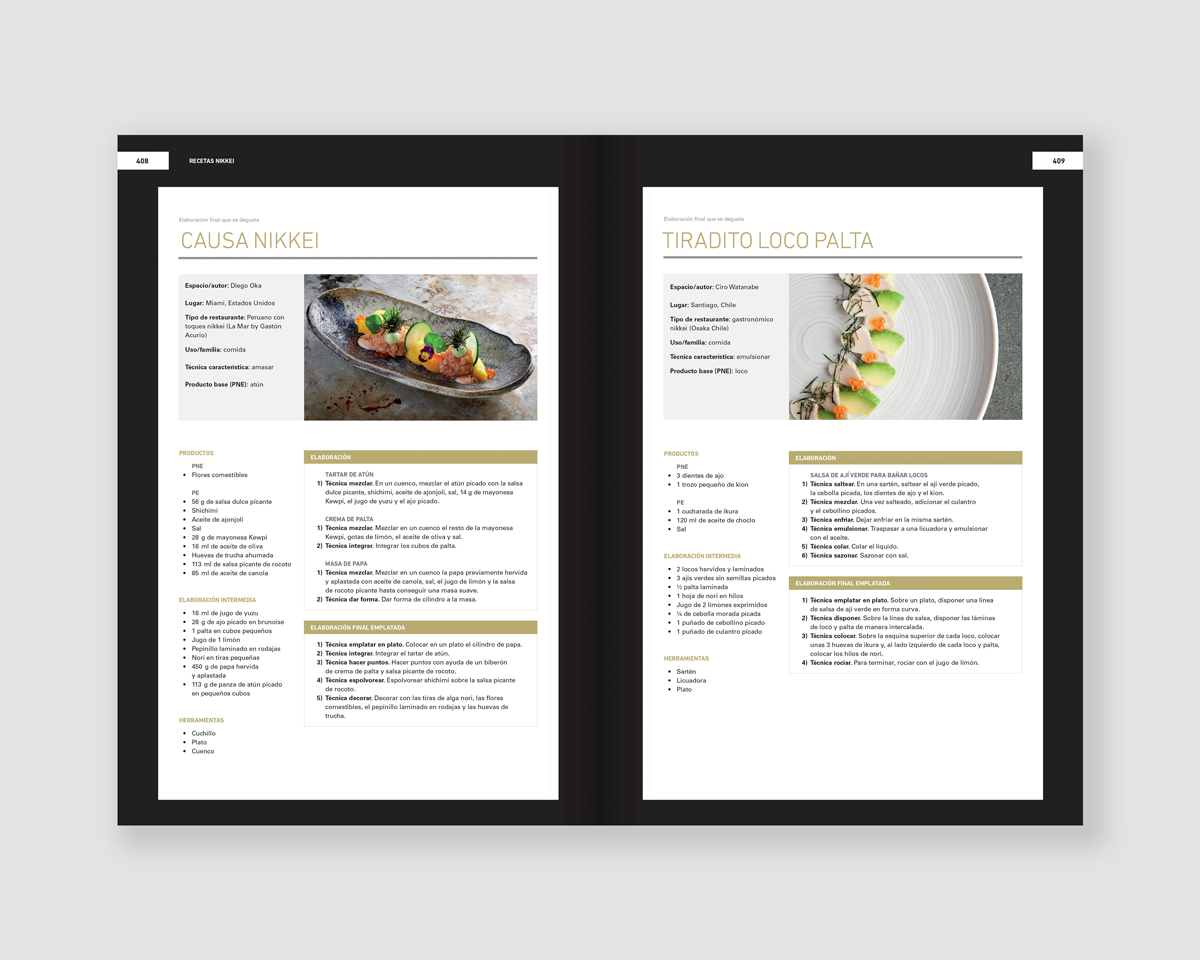
This first Bullipedia monograph focused on Nikkei cuisine. A dialogue between Japanese and Peruvian cuisine. It is the first authored book published by Bullipedia, written and designed by Maria Jose Garcia Miró.
In the making of this volume, we have been able to count on experts such as David Almazán Tomás and José Luis Pano Garcia.
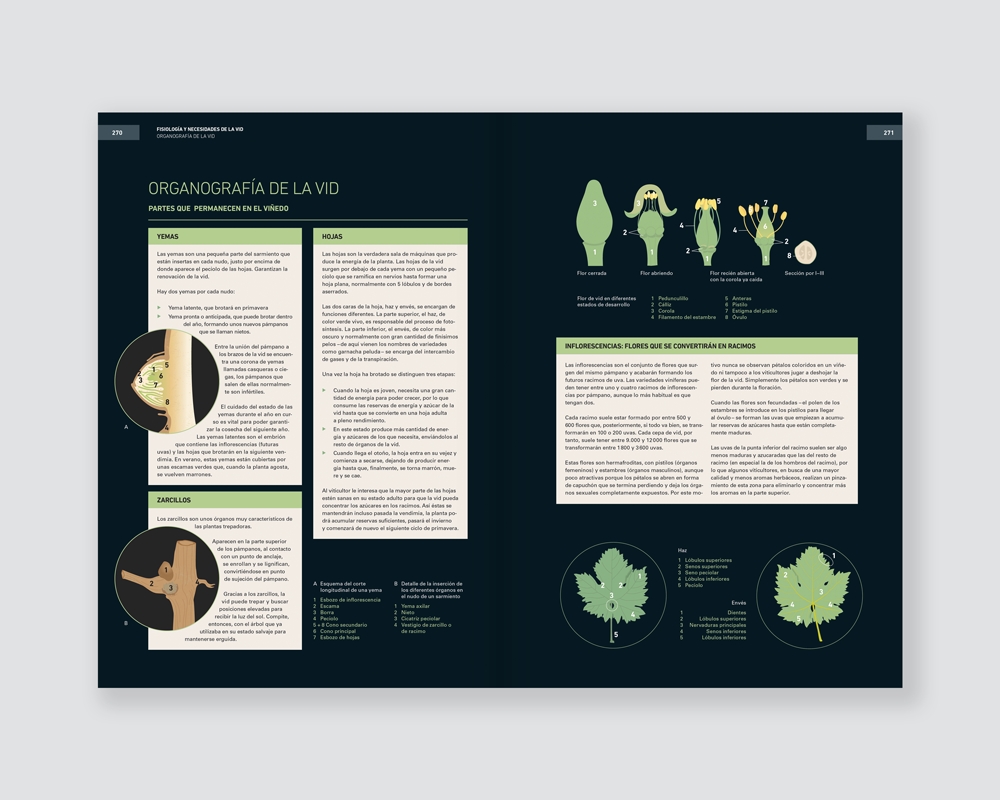
The first of the eight volumes that make up the Wine Sapiens series addresses the contextualization of wine. In short, it tries to answer a question as fundamental and, at the same time, as broad and ambiguous as “What is wine?”
To this end, this first volume approaches the actual concept of wine from differing angles. Further, wine is compared to other beverages analysing aspects such as its production, the market for wine, its socio-cultural environment, etc. This book also looks at agriculture and, more particularly, viticulture and the vineyards, the vine nurseries, the winegrowers, the winemakers working their own vines and the different philosophies that apply within vineyards. It places a special emphasis on the geological and climatic conditions that make the wines so different from each other.
This book would not have been possible without the collaboration of Vila Viniteca, who helped us greatly throughout this wonderful project.
In the making of this volume, we have been able to count on experts such as Pedro Ballesteros MW, Fernando Martínez de Toda and José Luis Ramos Sáez de Ojer.
What is coffee really? Is it a plant? A seed? A social act? All these questions, and many more, find answers in this encyclopaedic work, written by a multidisciplinary team of experts from Lavazza and incorporating the Sapiens methodology created by Ferran Adrià and elBullifoundation.
Presentation of the English version in April 2019.
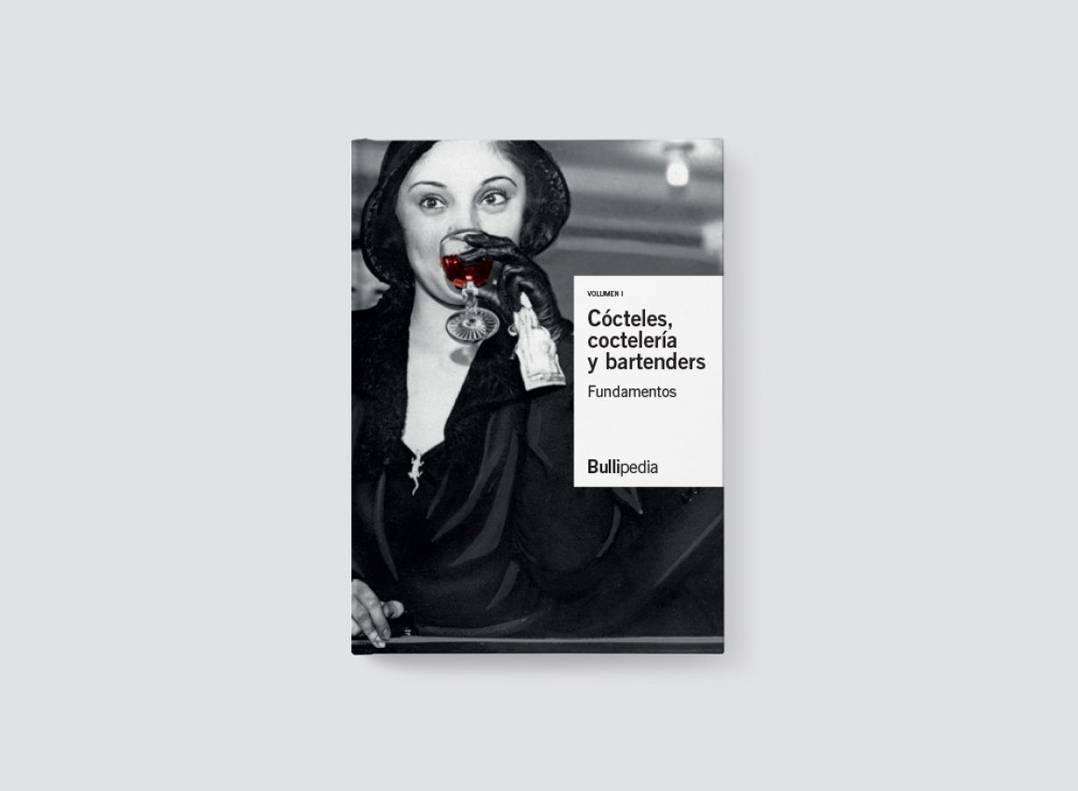
The first volume of Cocktail Sapiens is a thought-provoking compendium of reflections and analysis offering an insight into the basics of the bartender’s profession: What are cocktails? In what circumstances do we drink them? How have they evolved throughout history and who are the most celebrated figures? How are they classified?
In the making of this volume, we have been able to count on experts such as Javier De Las Muelas, Gerard Acereda, Marc Alvarez, Simone Caporale and Ferran Centelles.
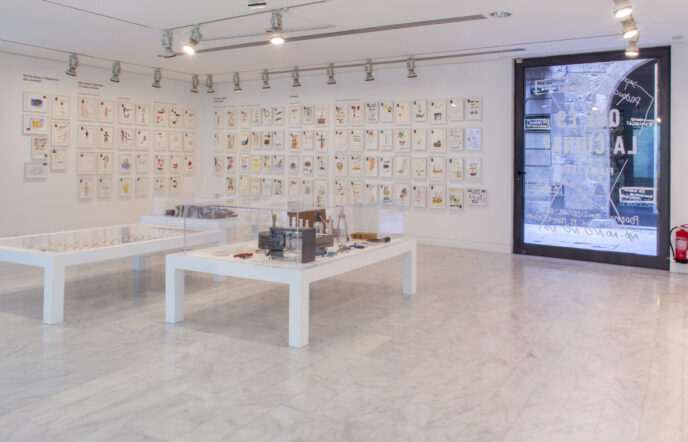
Published by Bullipedia following the Picasso’s Kitchen exhibition held at the Picasso Museum in Barcelona from May 25 to September 30, 2018.
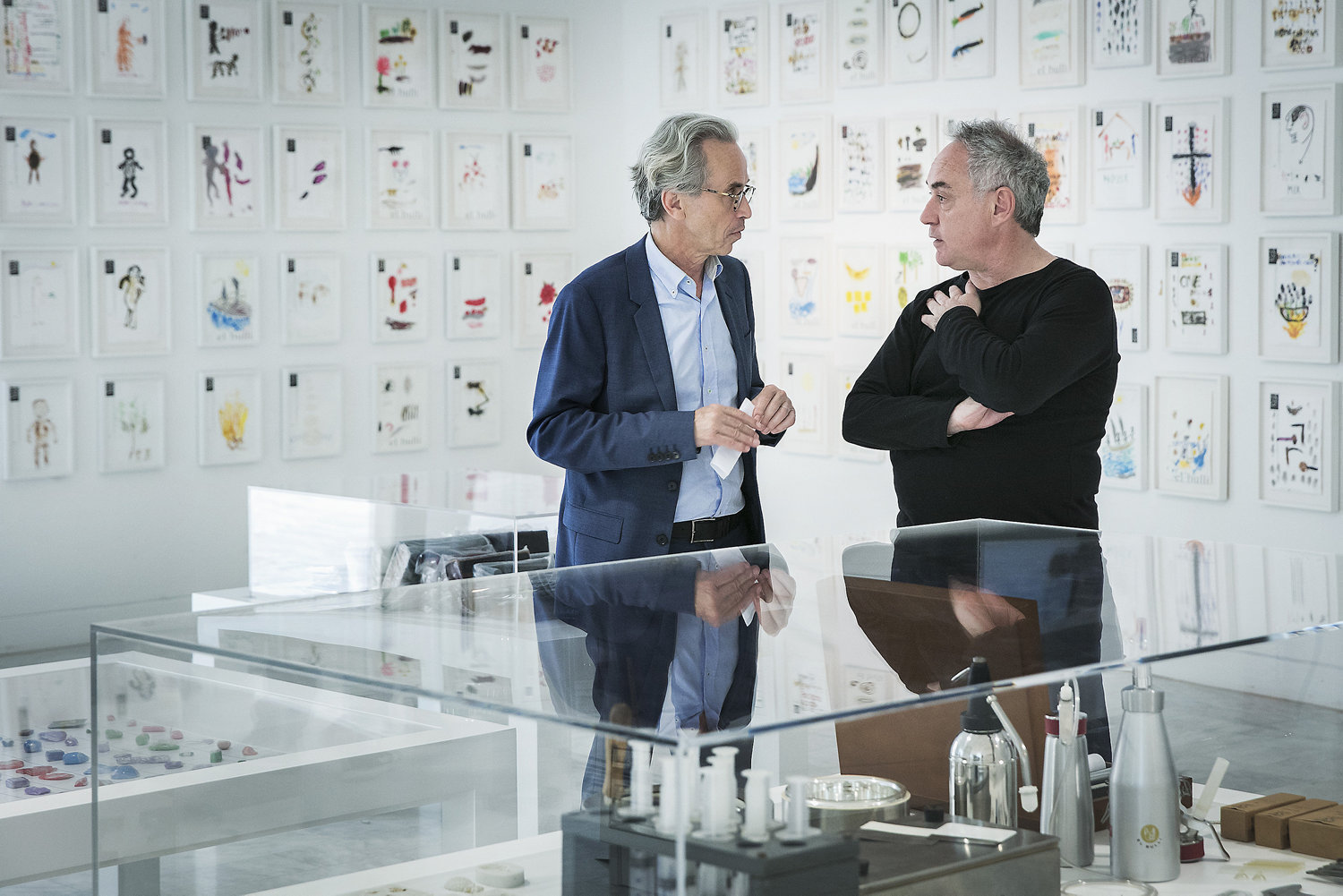
Ferran Adrià made the drawings that constitute this work with the intention of carrying out a process of genealogical research on the beginnings of cooking, understanding these acts as responsible, in large part, for the beginnings of humanity.
The process, used as a creative technique that begins to establish an account of the theory of culinary evolution, seeks to answer the question “What is cooking?” However, to do so, it is first necessary to address the question of “When did cooking begin?”.
The production of these one hundred and thirteen drawings and the introspection it brought about, was responsible for the development of the Sapiens methodology.
As ambassador of Telefónica since 2010, Ferran Adrià has travelled all over the world participating in elBullifoundation projects, thanks to the support of Movistar Likes, Fundación Telefónica and Telefónica Empresas.
A great many conferences on the theme of innovation, together with other noteworthy activities and experiences, have been organised around the globe. These experiences range from guided visits to elBulli1846, LABulligrafía, sharing and explaining the different projects we have participated in; to doing economically-priced cooking demonstrations in which we explain the Sapiens methodology applied to understanding cooking, and show the importance of a healthy diet.
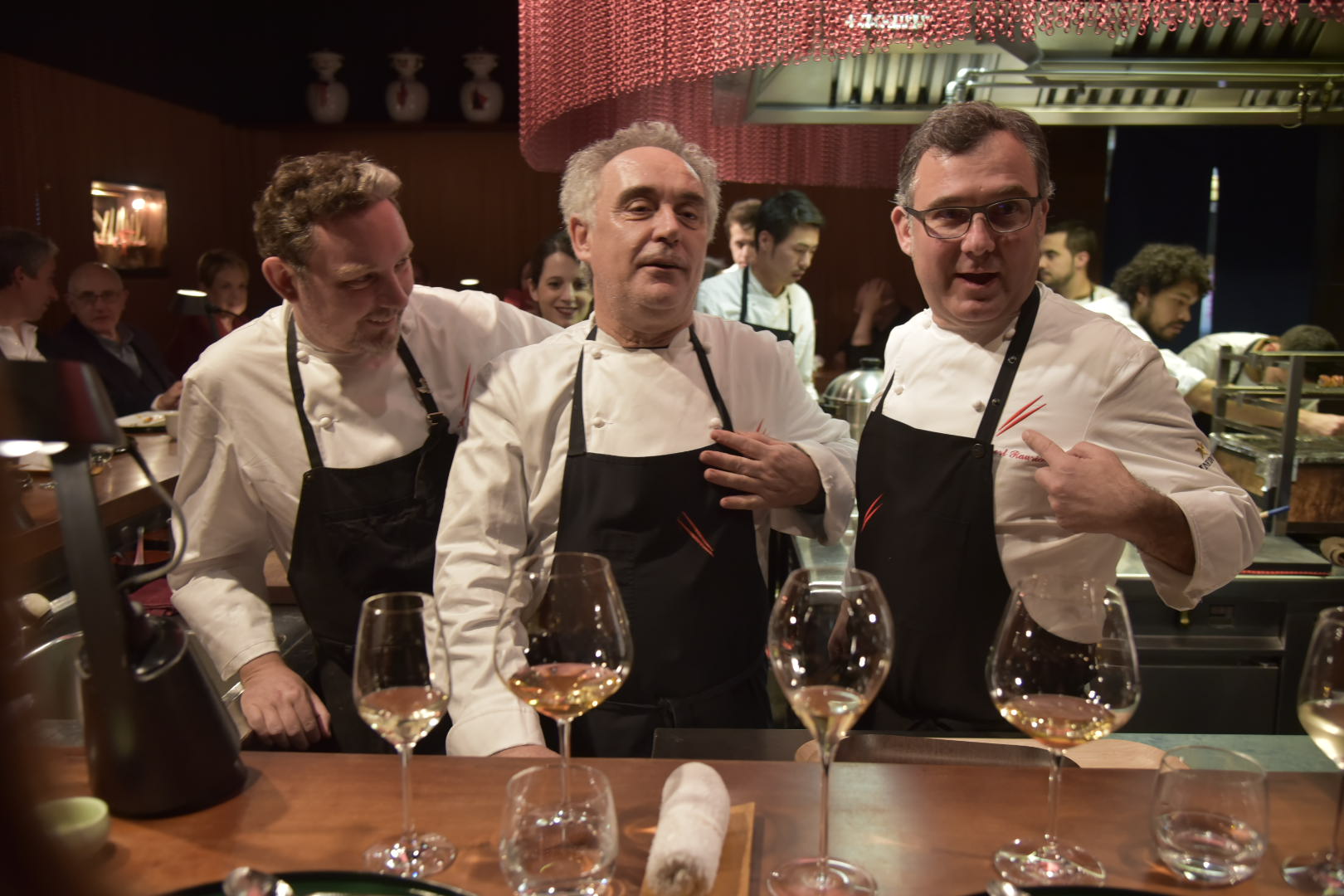
As part of the celebration of its tenth anniversary, the restaurant Dos Palillos offered up an extraordinary evening in which Albert Raurich, Albert Adrià and Ferran Adrià donned the chef’s whites to cook a historic dinner.
For the creation of the menu, the entire catalogue of elBullirestaurante dishes was reviewed, during which it was noticed that about four hundred of them were related to Japan. The largest part of these, more than three hundred, correspond to the period from 2002 to 2011.
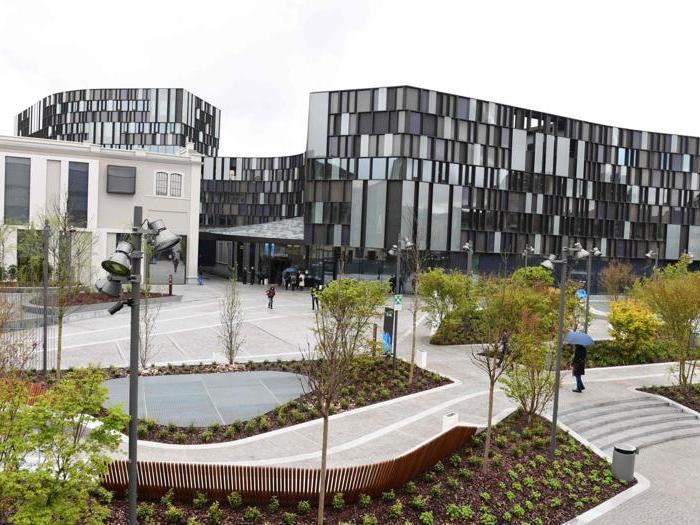
After a long process of conceptualisation and development within the framework of Nuvola, an ambitious architectural project for the creation of new headquarters for the Lavazza company in Torino, the restaurant Condividere by Lavazza was opened in June 2018. Here, we created a new model for the fine dining restaurant, midway between a contemporary trattoria and an informal restaurant.
The project is led by chef Federico Zanasi, at the head of a hugely talented team that has managed, in next to no time, to turn the project into an icon of Italian gastronomic culture..
May 2018 saw the launch of Food and Beverage, a project in collaboration with CaixaBank and intended as a continuation of the first editorial project dedicated to entrepreneurship in the fine dining sector. Food and Beverage is a specific manual for entrepreneurs wanting to open a restaurant or make improvements to existing establishments, and focuses on the importance of good organisation and management both in the front-of-house and in the selection of beverages offered, together with a strong emphasis on the strategic keys of good business management.
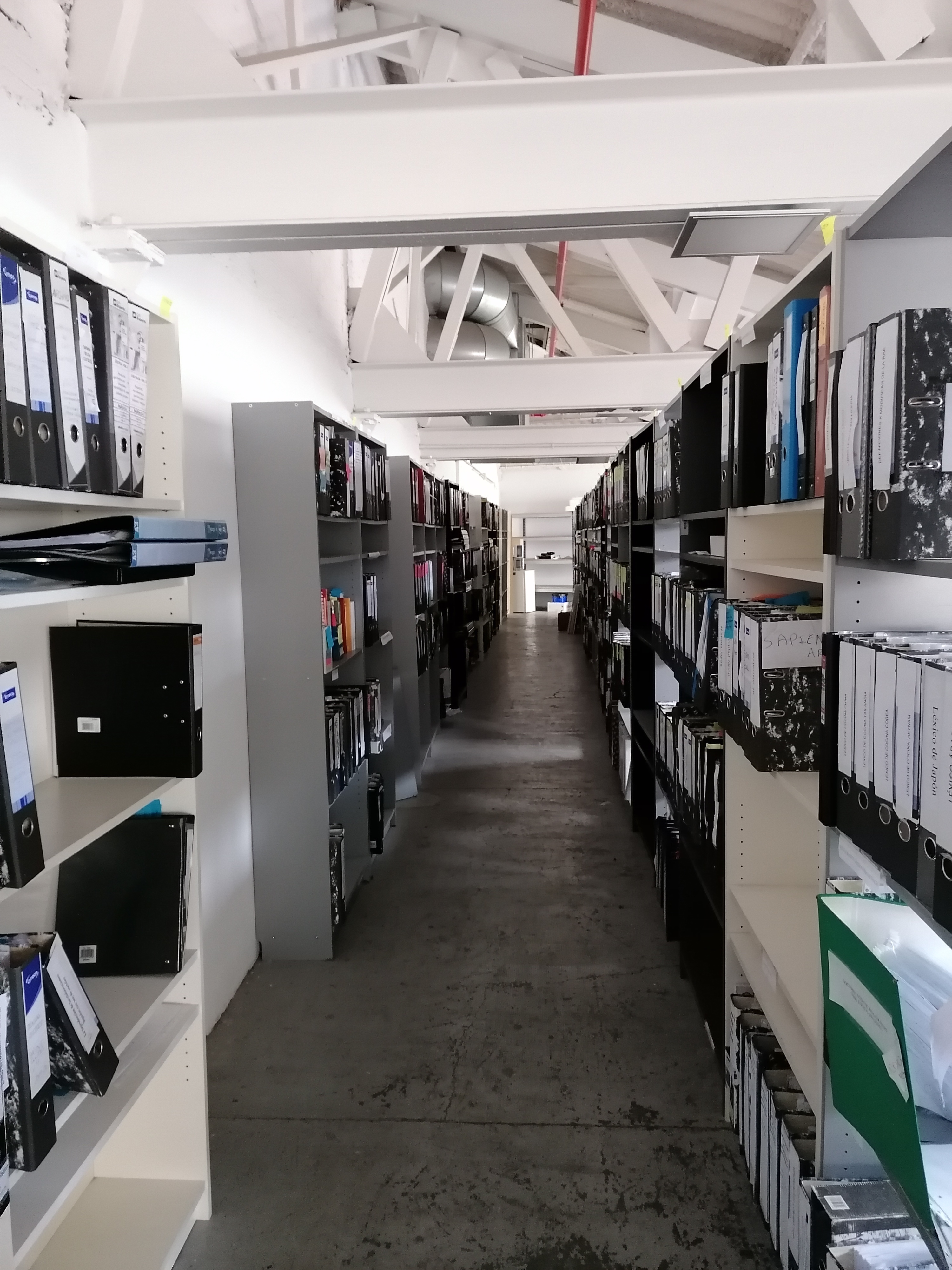
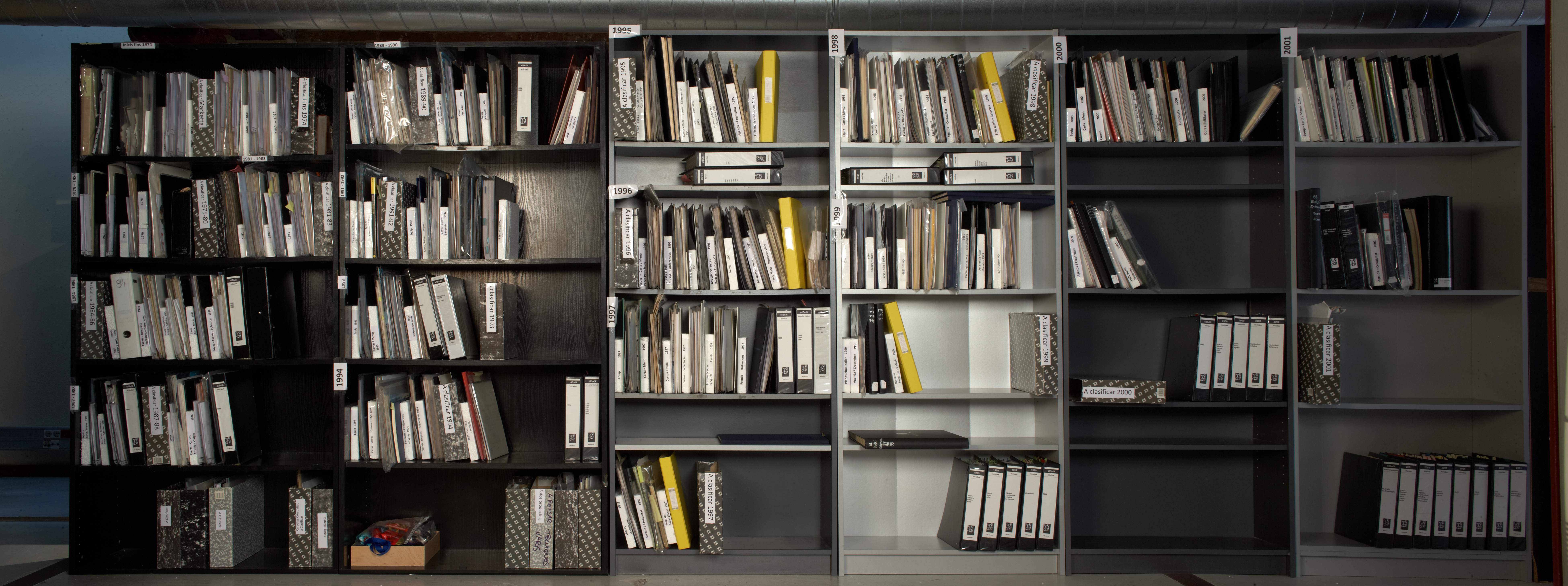
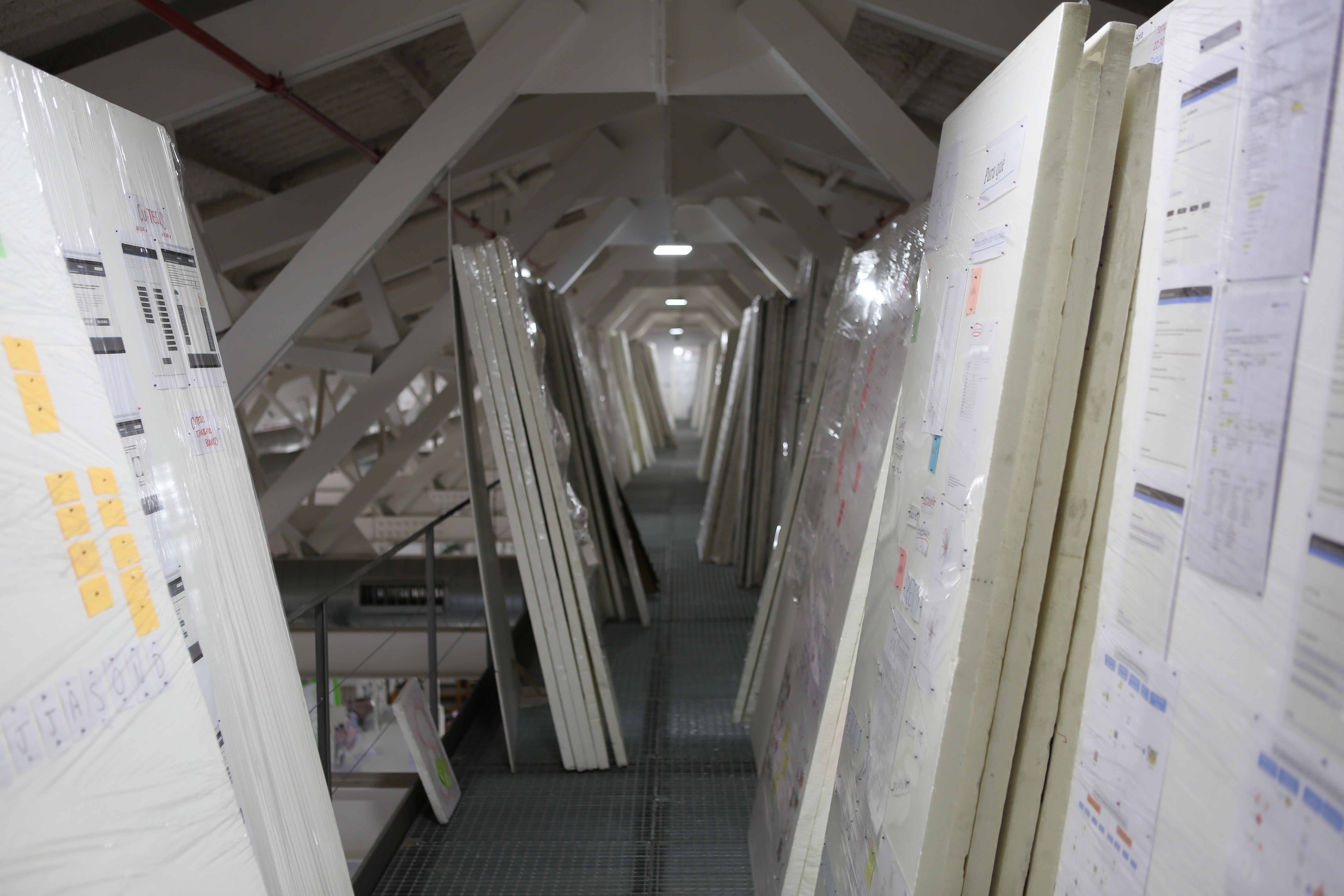
LABulligrafía is the name given to the elBulli archive. It is available in two formats: physical (off-line) and digital (on-line).
LABulligrafía off-line:
An immense archive that gathers together physical and audiovisual material documenting the creative and innovative evolution of elBullirestaurante. Part of this archive is on display in the permanent exhibition of elBulli1846.
LABulligrafía on-line
A thorough and meticulously-prepared digital archive that displays step-by-step the innovation audit undertaken on elBullirestaurante. It provides access to a multitude of content in varying formats: knowledge modules, audiovisual material, interactive and mental maps, etc.
The LABulligrafía project occupies a 1,500 m2 facility on Carrer Mèxic, Barcelona. Previously, this space was occupied by elBulliLab between 2014 and 2017.
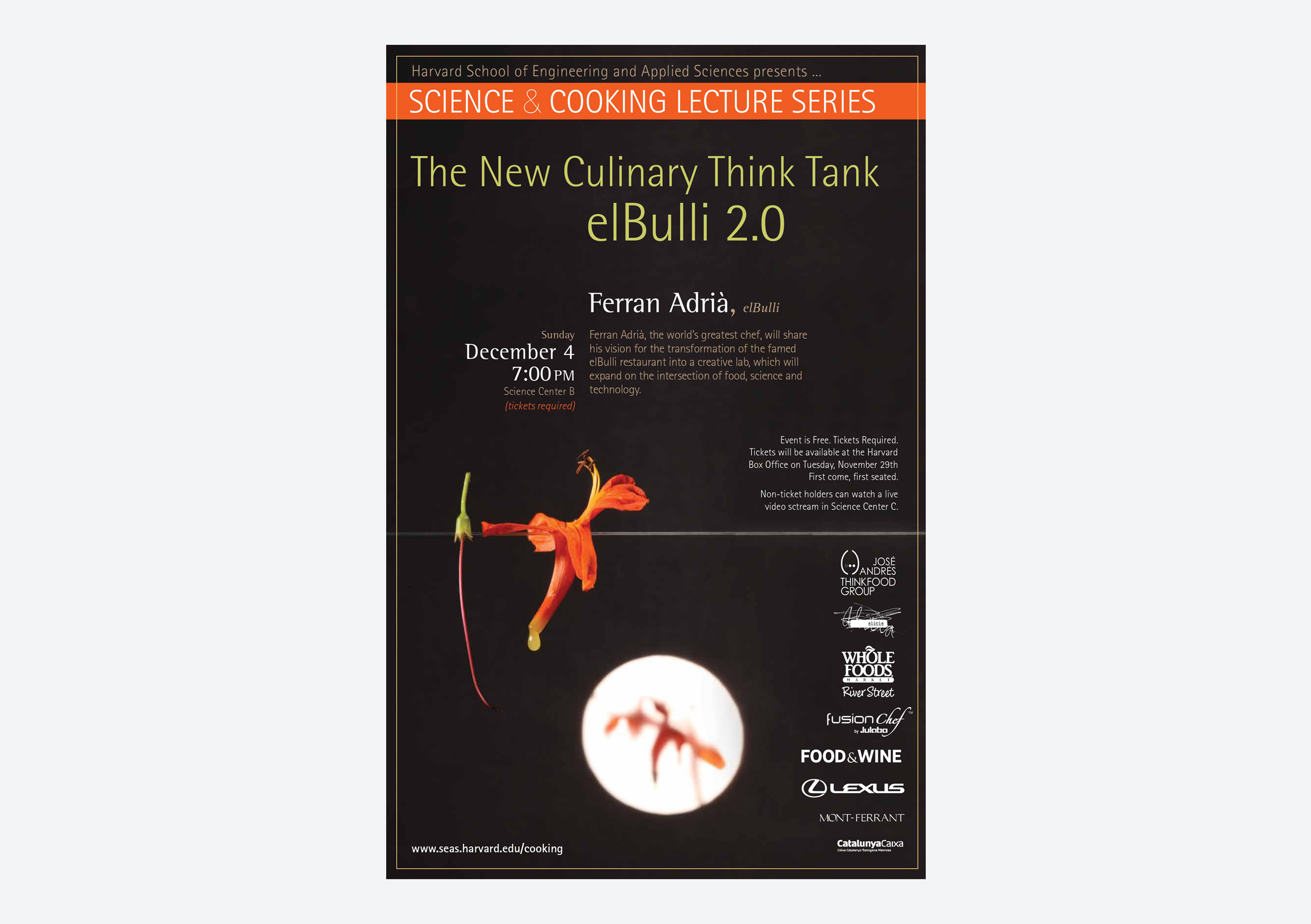
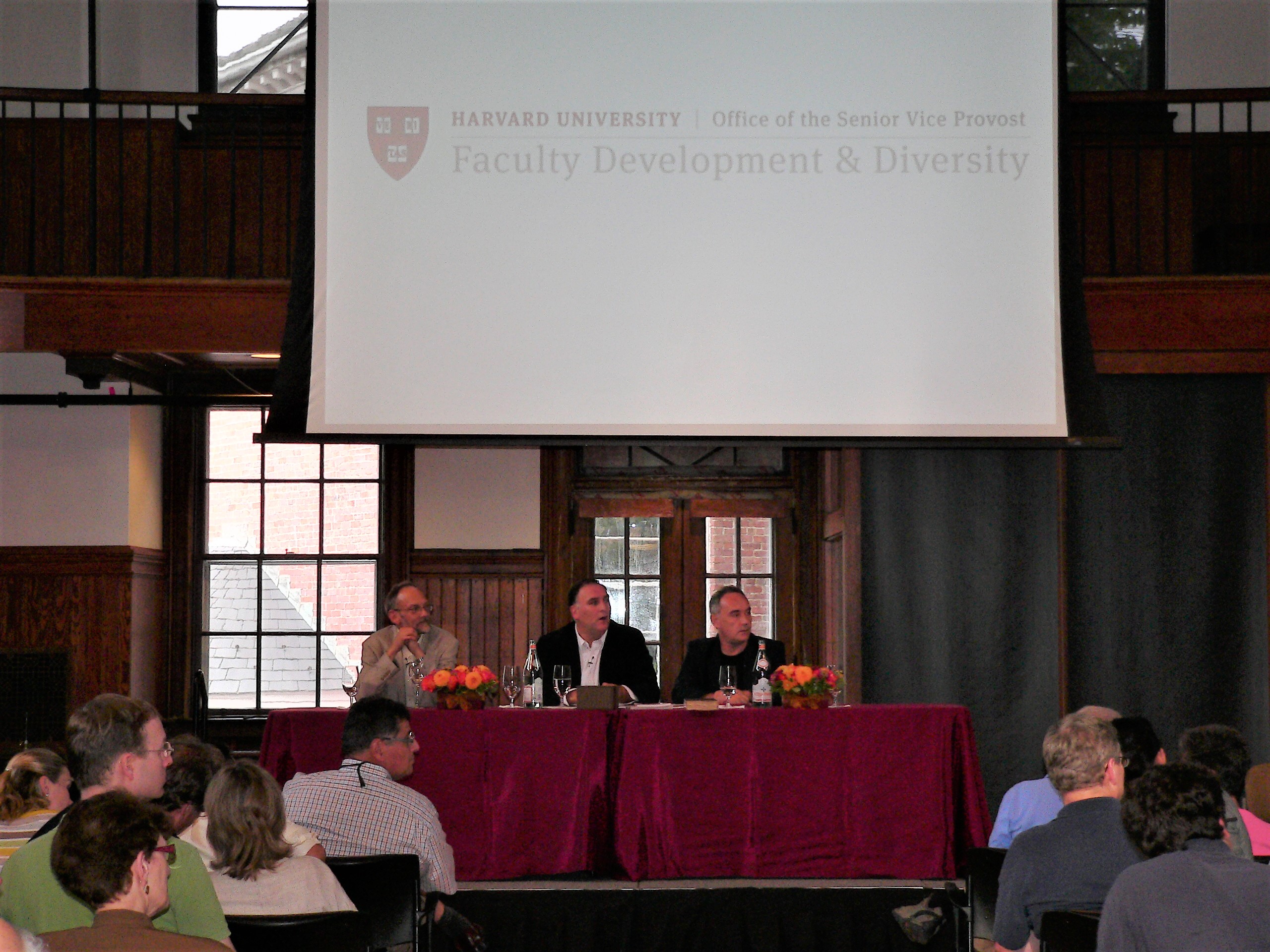
In September 2010, Ferran Adrià inaugurates the “Science and Cooking” course, jointly organised by Harvard University and the Alicia Foundation. This forward-looking project is conceived as a campus for elBullifoundation, leading to a paradigm shift as Harvard hosts a ground-breaking dialogue between cooking and science, thereby bestowing official recognition on cooking as an academic discipline.
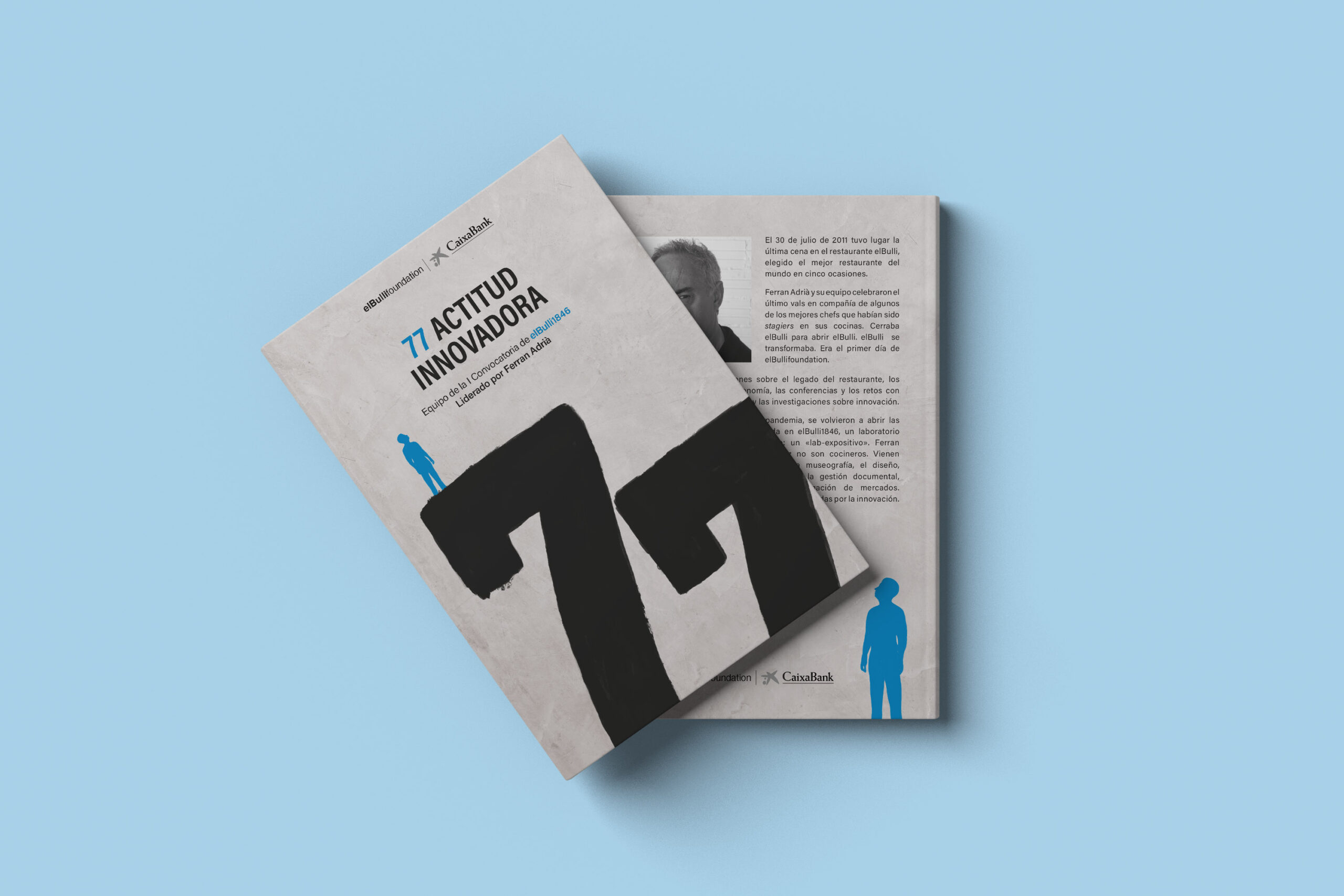
CaixaBank and elBullifoundation launched 77 Innovative Attitude, a book gathering a total of 77 ideas and reflections by Ferran Adrià regarding innovation and its role in companies. The work, directed especially towards freelancers, entrepreneurs and SMEs, has been conceived as a tool for inspiration and reflection to encourage small entrepreneurs to manage and experiment with the new options available for the advancement of their businesses.
77 Innovative Attitude is the product of the first research program at elBulli1846, in which a group of people interested in innovation, from the worlds of architecture, philosophy, museography, design, geopolitics, business administration, document management, psychology, market research, and from the Service Sector, spent a total of 77 days with Ferran Adrià. At the end of the program, Ferran Adrià’s 77 most commonly used phrases concerning innovation and creativity were compiled for this book. All of them refer to how innovation is understood in the context of SMEs, based on Ferran Adrià’s experience at the elBulli restaurant, in his consultancy relationship with more than thirty companies worldwide, and from the reflections generated during this first research program at elBulli1846.
Right from the outset, Ferran Adrià and the elBullifoundation team have given countless conferences addressing a wide variety of themes in locations all around the planet.
La Laguna. 29/05/2013. Interview and lecture by Ferran Adrià.
In this section we find a brief summary of some of the most noteworthy of them.
2013
Conference at the UAB (Universitat Autònoma de Barcelona)
Thanks to elBullifoundation’s audiovisual archive we can examine the origin and evolution of elBullirestaurante, right up to the creation of elBullifoundation and the projects carried out to fulfil its mission.
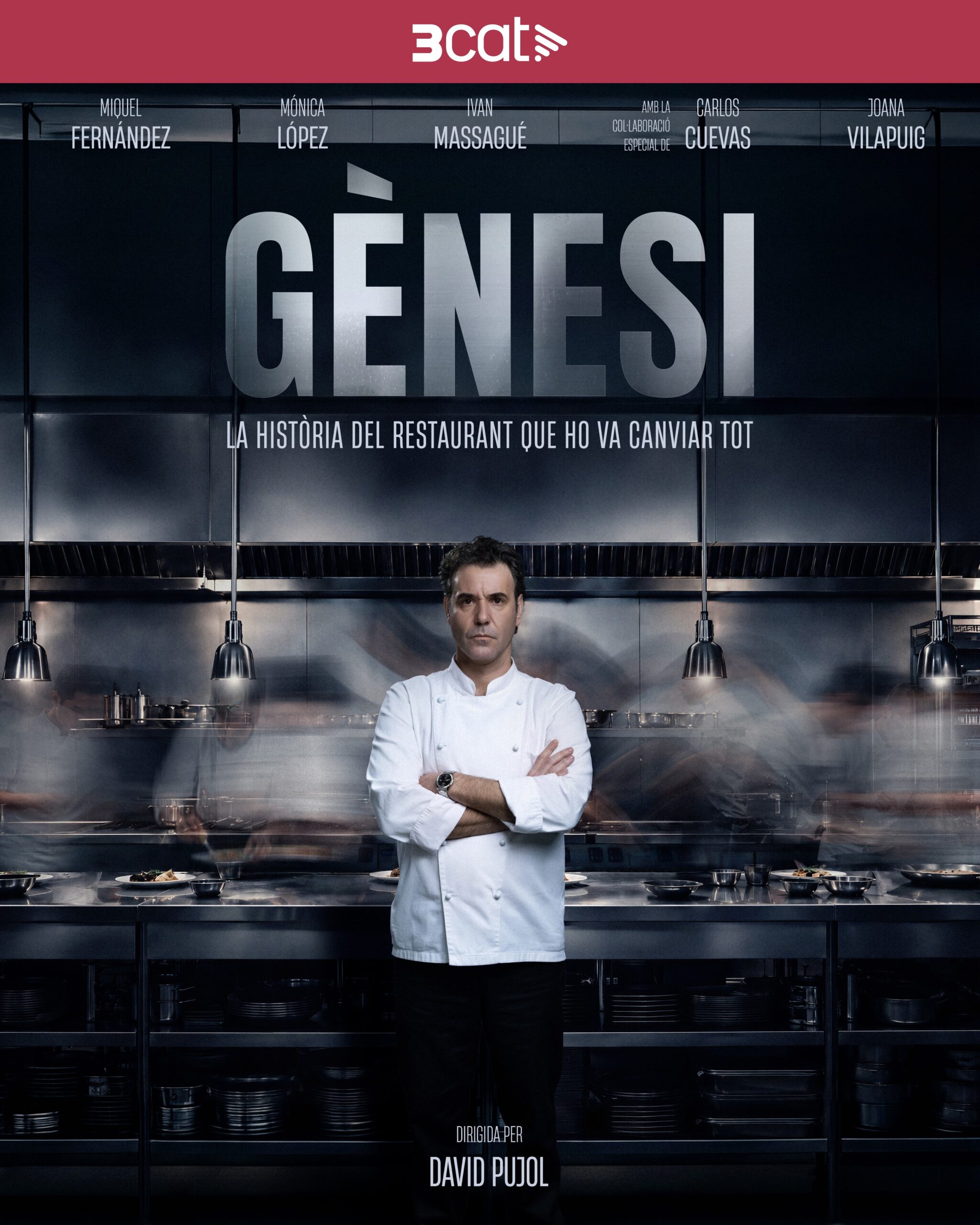
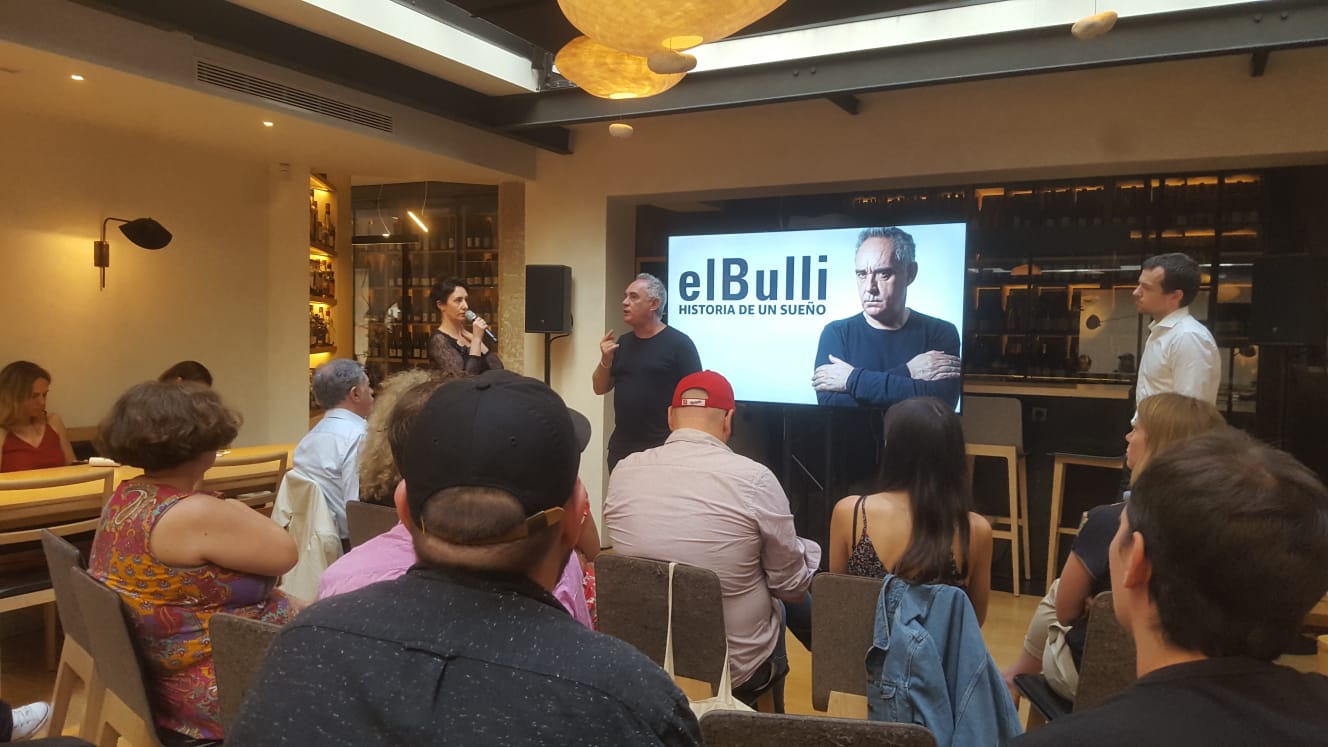
In July 2018, the Amazon Prime Video platform presented “elBulli: Story of a Dream” in more than 150 countries. It became the most comprehensive documentary series ever made about an organisation or an author.
The series, consisting of 15 episodes, directed by David Pujol and produced for elBullifoundation by Visual 13, embarked on a detailed audiovisual exploration of the sixty years of history and evolution of elBullirestaurante, documented through more than 3,000 hours of filming and 200 interviews.
The first twelve episodes detail the story of the restaurant from its creation in 1961, by the Schillings, until its closure in 2011. The last three episodes explore the reasons for the closure of elBullirestaurante and the creation of elBullifoundation.
In May 2018, the first course of the Master’s degree in Creative Process was held in collaboration with the Elisava design school. After a preliminary session at LABulligrafía in Barcelona, the participants spent a week together in Cala Montjoi in a dynamic, experimental workshop directed by Ferran Adrià. The challenge for the students was to create a storytelling proposal for the future exhibition at elBulli1846, related to understanding creation and innovation.
In this fourth edition of C4Bi, held from September to November 2018, student teams from MIT, Oxford University, ESADE, Copenhagen Business School and Aalto University applied the creative audit to the Barça Innovation Hub, with the aim of using this tool to devise innovative proposals for the sports industry.
The Catalan newspaper Ara employed the Sapiens methodology in an internal creative audit to explore new avenues for development of their business model.
Ferran Adrià and Marcel Planelles (ESADE) guided the newspaper in understanding this tool, allowing it to assess the organisation’s innovative and creative ecosystem, and anticipate and plan future strategies.
In a speech at the Sala Mauri of the Picasso Museum in Barcelona, during the inauguration of the “Picasso’s kitchen” exhibition on 25th May 2018, Ferran Adrià started out by posing the question: What is cooking? He addressed this using Sapiens, a methodology that aims to connect different spheres of knowledge to achieve a complete understanding about any particular object of study… This convinced Ferran Adrià that the answer may reveal some fundamental aspects about not only the creative being, but also the human being.
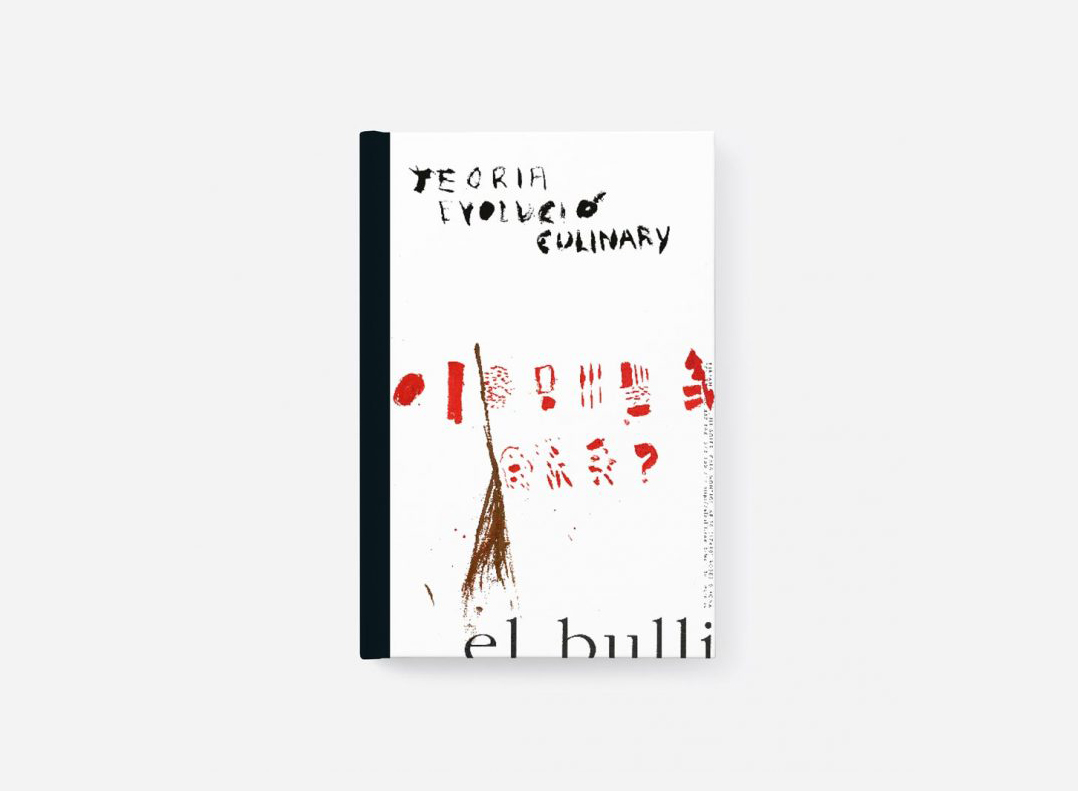
On the occasion of this exhibition, elBullibooks published a special edition of the book The Theory of Culinary Evolution.
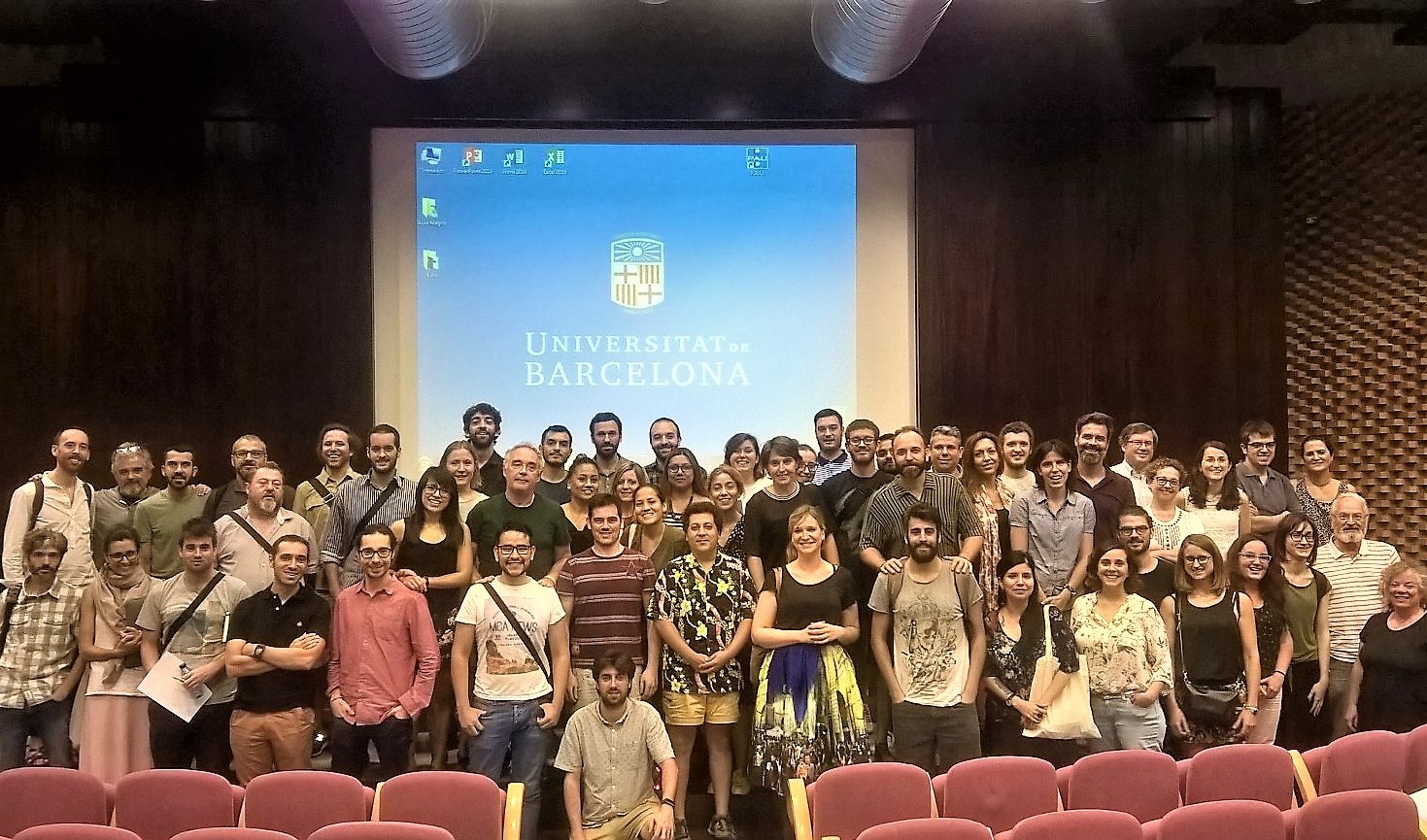
A course held at the University of Barcelona (UB) from 17th to 20th July 2017, during “Els Juliols de la UB” (July at UB). Ferran Adrià and the elBullifoundation team presented Sapiens, a methodological approach that took more than three years of intensive work to develop in the elBullilab. Over the course of four sessions, a powerful vision was offered aimed at demonstrating the importance of connecting all the knowledge that can be at the disposal of particular professions, companies and business sectors, along with the importance of employing efficient processes and an innovative attitude to afford an entrepreneurial project real options for success and longevity.
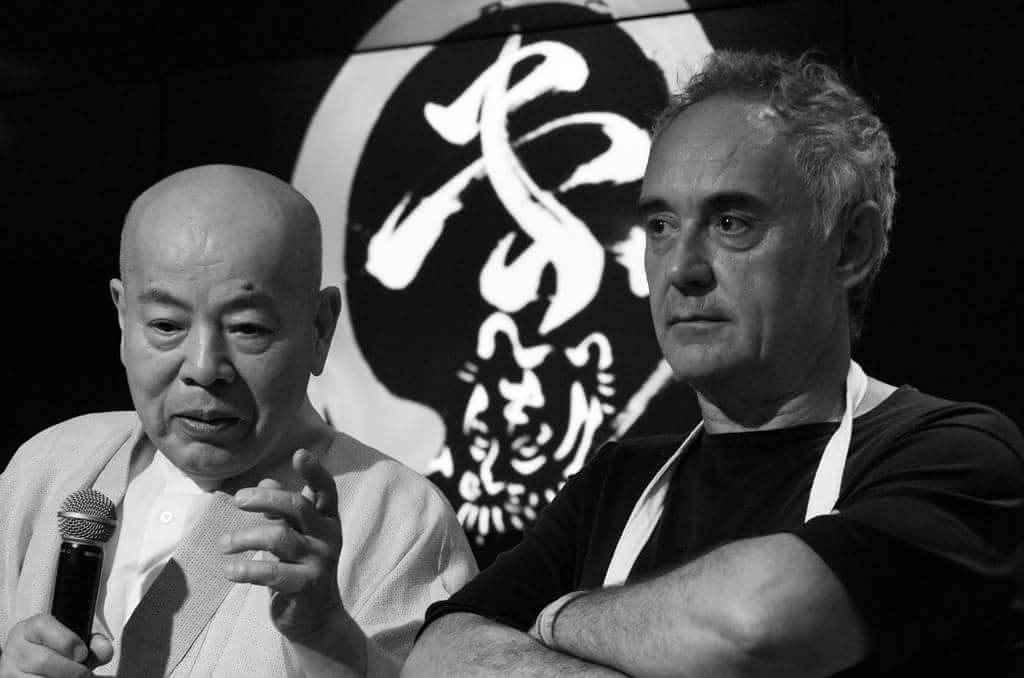
Gastronomy comes to the theatre at the Kaiseki Teatre, with the presentation of “The Tiger of Yuzu”, a play telling the story of the relationship between Ferran Adrià´s elBulli and the Japanese restaurant Mibu. Forming part of Barcelona’s Grec Festival in July 2017.
The project, directed by Roger Julià and starring Roger Zanuy and Isaac Lázaro of the Kaiseki Teatre company, with music by Pep Sala, tells the story of the inspiring friendship between Ferran Adrià and Hiroyoshi Ishida of Tokyo’s Mibu restaurant. A dialogue between tradition and modernity in a show that deals with the relationship between different cultures in the 21st century.
A collaboration with the Catalan Competition Authority (ACCO) that commenced in October 2017, applying the Sapiens methodology to undertake a comprehensive and innovative rethinking of competition regulation within the EU framework. The objective is to reconsider both the regulatory content (to uphold and foster competition) and the way in which regulation is carried out (the most appropriate instruments and mechanisms for its implementation).
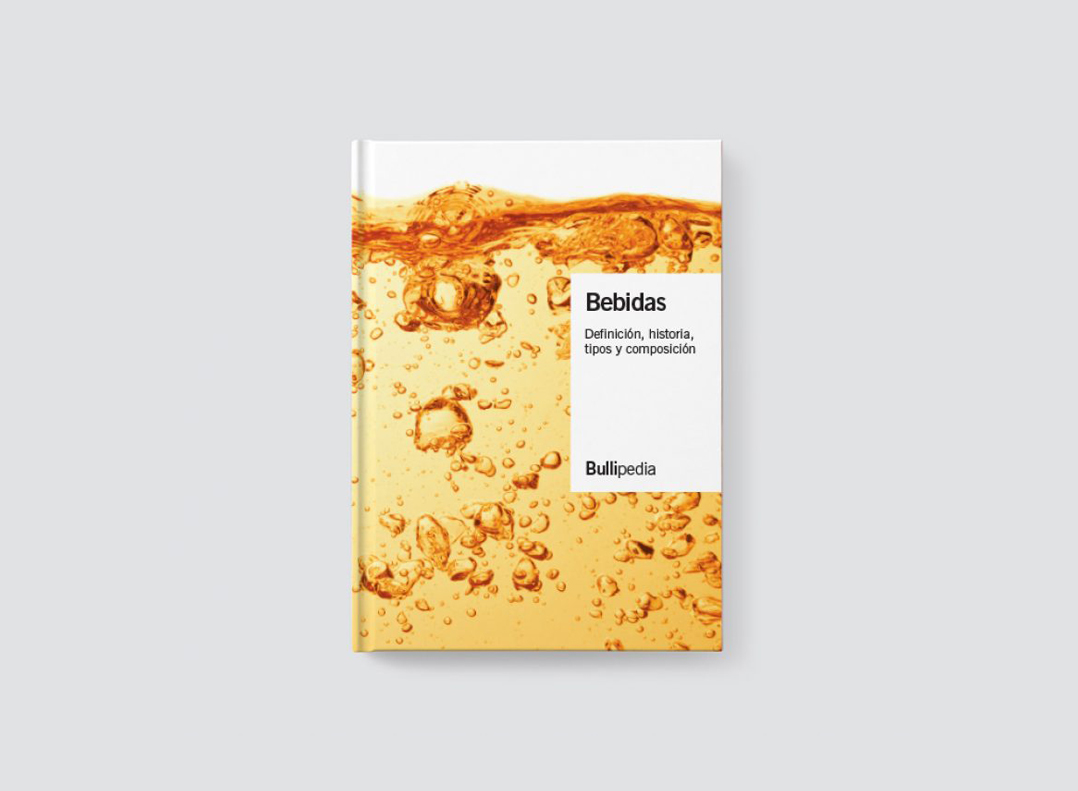
The first book to be published by Bullipedia. Applying the Sapiens methodology, this volume turned its attention to the world of beverages, analysing the context, origin, evolution, classification and composition of drinks. A significant work exploring the whys and wherefores of how an ingested liquid comes to be considered a drink.
In November 2017, elBullifoundation opened its first e-commerce site in order to sell books written by Bullipedia, as well as those published by elBullibooks. Sales from the online shop contribute to fulfilling our founding objectives of disseminating and promoting innovation, and of giving prestige, protecting and upholding the legacy and spirit of elBulli all around the world.
Under the motto “A way of Life”, the Bullinianos website was launched in November 2017 to celebrate the main strength and legacy of elBulli: all those people who were members of the elBulli team over the years and who carry its values and sentiments, spreading them all around the globe. A list of people that is constantly growing, proving that the spirit of elBulli is still alive.
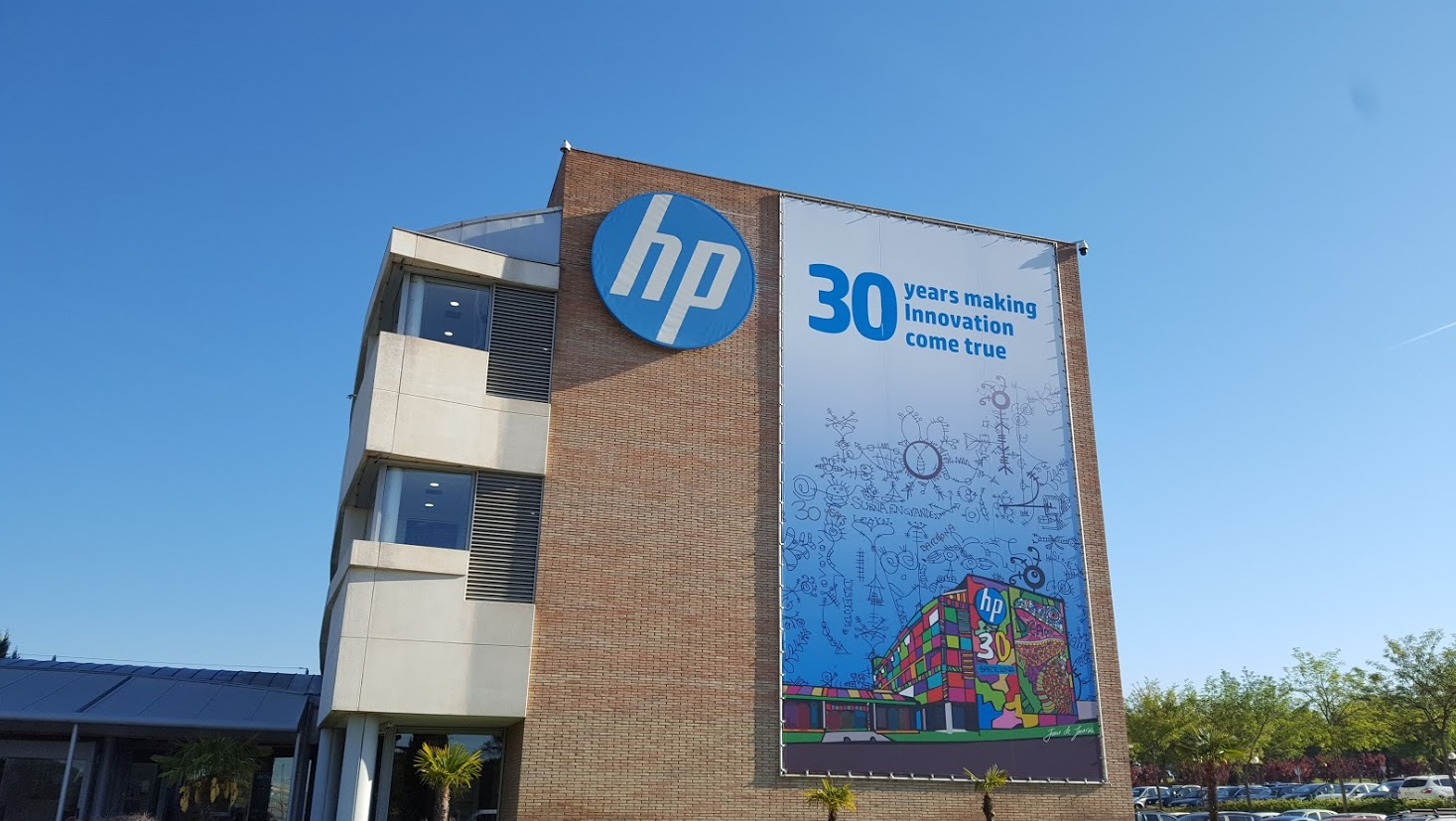
Between September and November 2017, the third edition of this project was carried out, with a creative audit taking place at HP Sant Cugat, the headquarters of HP’s Graphic Arts business and a global hub for Large Format and 3D printers. Established in 1985, the site has had R&D teams in place since 1988 and is currently the largest HP R&D centre outside the United States.
A challenge we set in May 2017, within the framework of our collaboration with Elisava Escuela Universitaria de Diseño e Ingeniería de Barcelona, consisted of rethinking and designing the outdoor space of elBulli1846 with the aim of transforming it into an ideal space for working on and disseminating the creative process, in a setting that articulated its own language, aesthetic and sense of risk, taken from a holistic perspective (in tangible, scientific, technological, artistic, social, environmental and economic terms).
A dish as emblematic as Catalan tomato bread is the ideal way of approaching the world of cooking through the Sapiens methodology, demonstrating how difficult it can be to define ’natural products’, elaborated products, elaborations, etc.
An exhibition held at the CosmoCaixa in Barcelona from 15th November 2016 to 31st May 2017.
Mise en place, published in May 2016, is a manual to guide anyone interested in getting started in the fine dining restaurant sector, addressing the complex maze of paperwork, actions, plans and procedures involved. Equally, the volume could also fulfil an invaluable function for those already running a catering business. Organised and set out in an entertaining and clear way, outlining each and every step necessary when opening a business from scratch.
Mise en place, written in collaboration with CaixaBank, is an indispensable aid to the aspiring restaurateur. This work is available in both print and digital versions.
An informative, scholarly book on the origin and evolution of cooking during the Palaeolithic and Neolithic periods. The work was published exclusively for CaixaBank clients in July 2016, and is situated within the framework of the Bullipedia project to apply the Sapiens methodology with the aim of connecting all the necessary knowledge to understand the fine dining restaurant sector in the Western world. To do so, an appreciation of antecedents is fundamental.
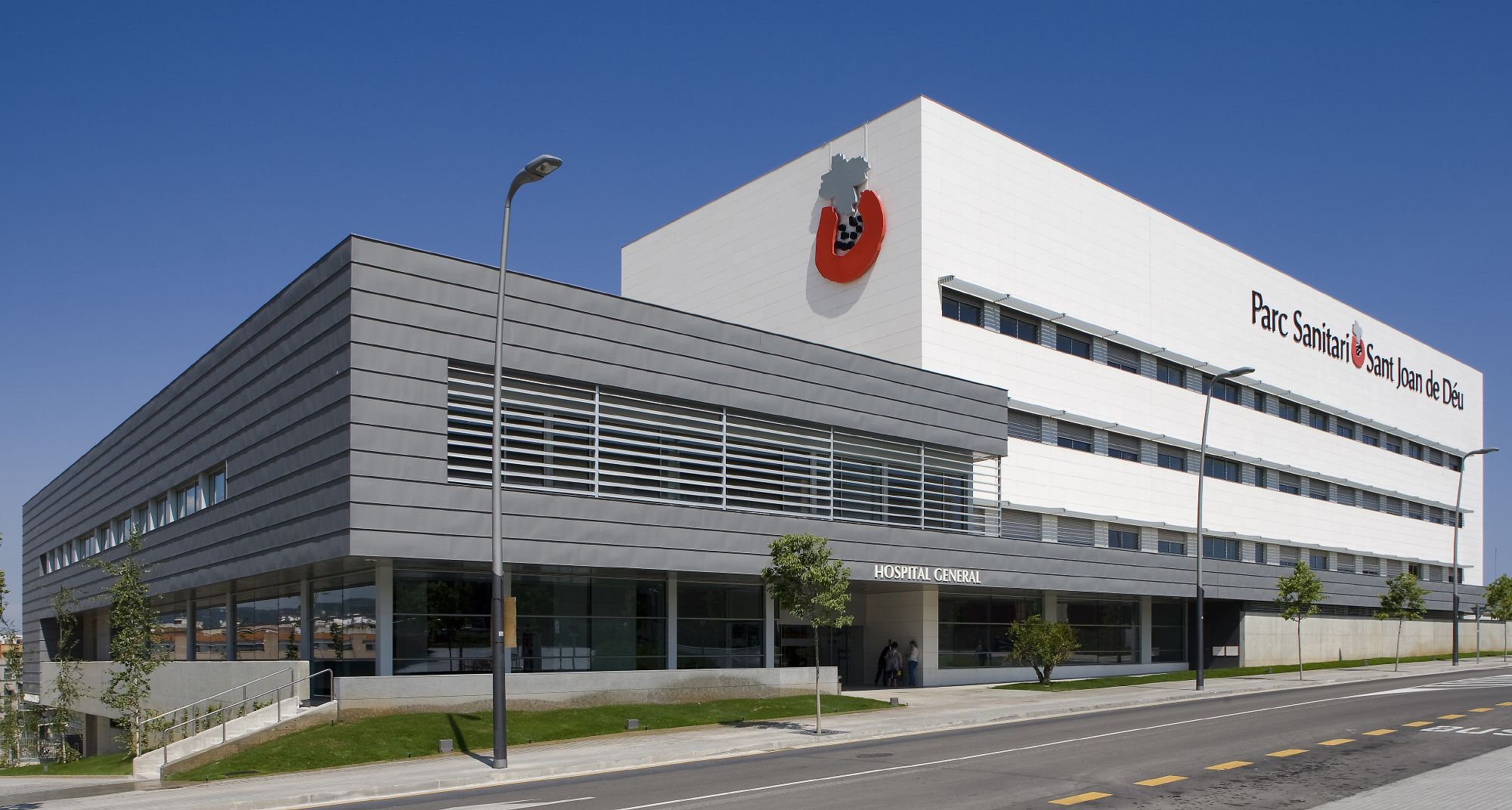
Between September and November 2016, the second edition of C4Bi took place, in which students from different universities, divided into teams of four, applied the elBullifoundation creative audit process to the healthcare sector. A non-profit organisation, the Barcelona Children’s Hospital (Hospital de Sant Joan de Déu), was the institution selected for the study.
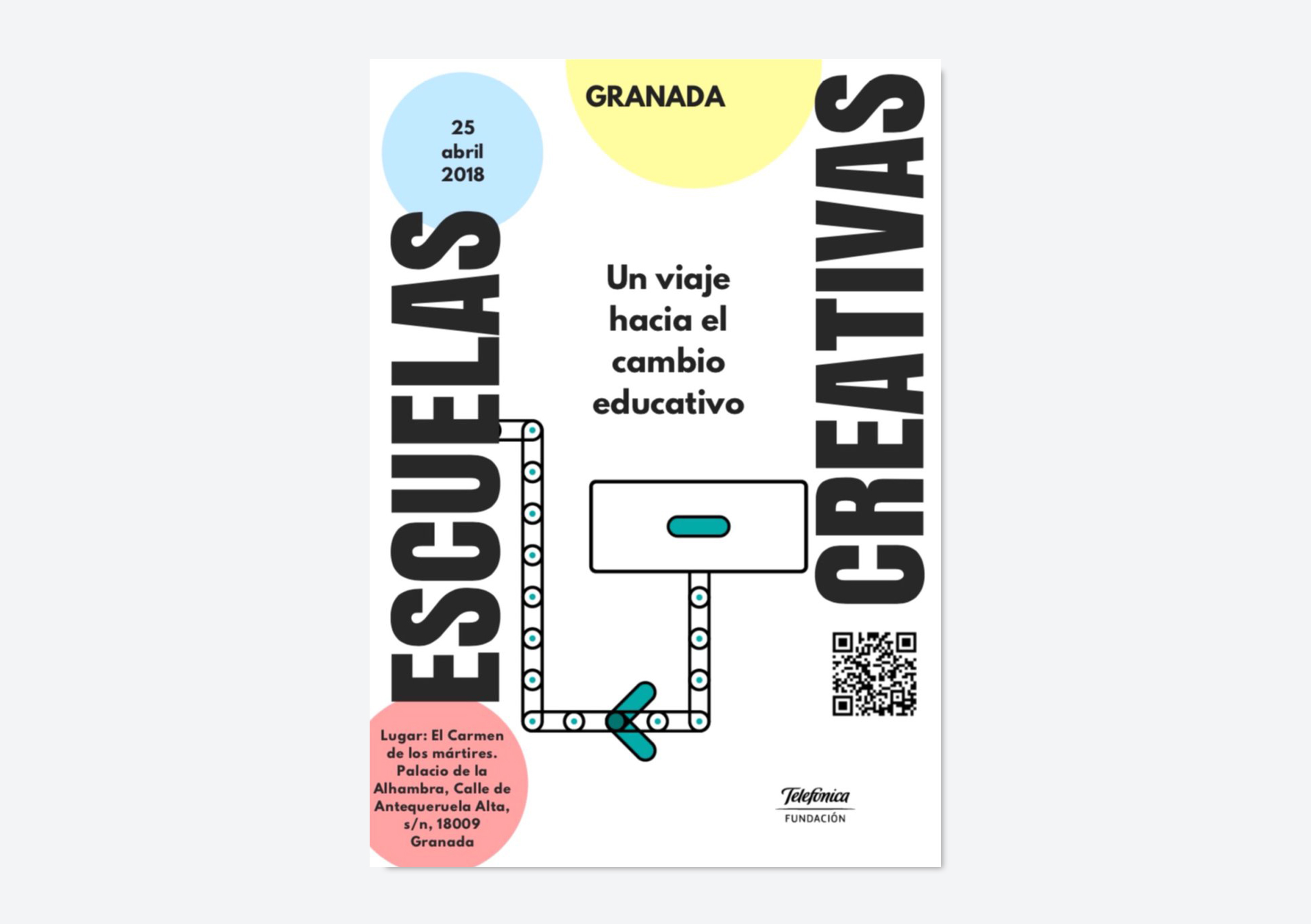
A joint project with Fundación Telefónica presented in October 2016, aimed at influencing the world of education. Based on the Sapiens methodology and the audit of the creative process, we tackle the different aspects that make up the basis of education and its day-to-day reality: the teaching space, educational methods, the curriculum and so on, to raise awareness of the importance of having an entrepreneurial spirit, and of understanding creation and innovation.
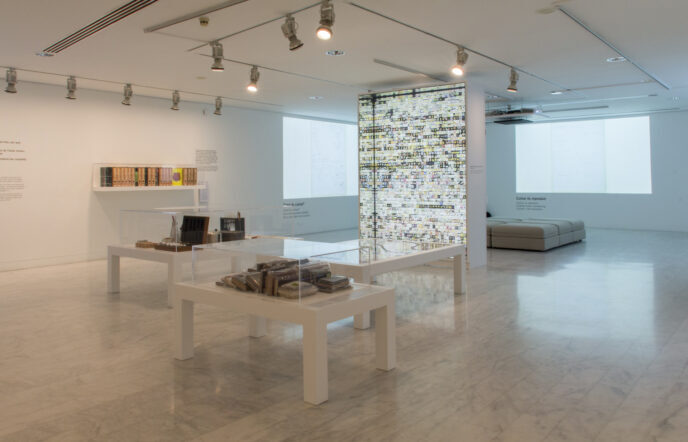
The exhibition “Ferran Adrià: The Invention of Food” (September-November 2016), presents an overview of the phenomenon of creation, drawing parallels between the symbolic setting of elBullirestaurante in Cala Montjoi and the nearby town of Cadaqués, so representative of the presence of Salvador Dalí.
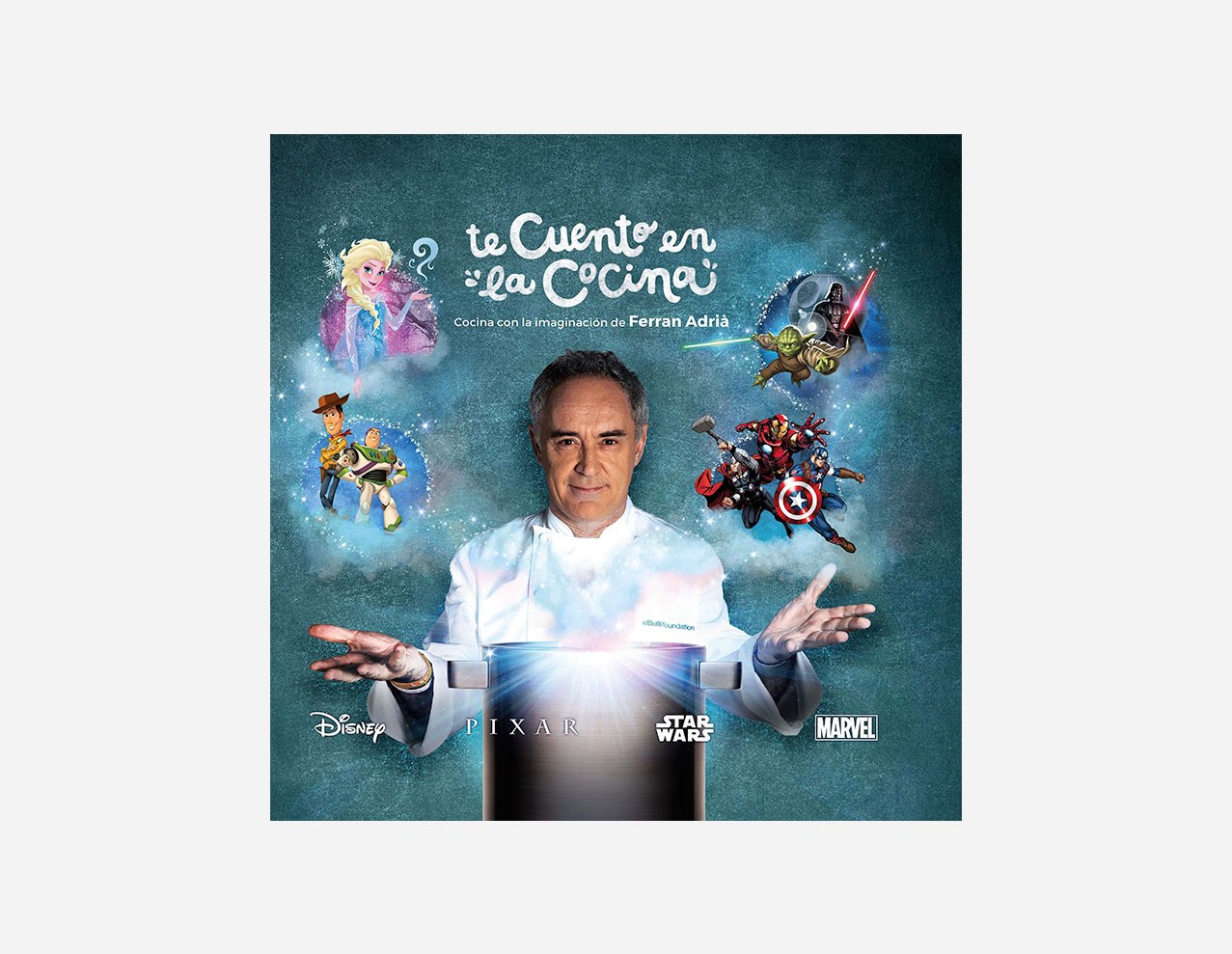
“Te cuento en la cocina”, published in April 2016, is a different kind of cookbook. It’s the perfect excuse to learn through playing, promoting healthy eating habits and introducing good, wholesome cookery to the whole family in a fun, hi-tech way.
This project promotes healthy eating through the creation of an educational ecosystem that incorporates books, apps, television programmes, websites, and more. The characters we meet in the project appeal to all generations, bringing the family together to cook, learn and have fun.
Carried out in conjunction with Disney, this ambitious project has united, for the first time in a single project, characters from all of the company’s subsidiaries (Disney, Marvel, Pixar and Star Wars).
Other entities collaborating in this commendable project included the Hospital Universitario de la Paz, Carrefour, La Caixa Obra Social (which used educational programs to extend the reach of “Te cuento en la cocina”) and Telefónica (which sponsored the initiative’s multimedia website).
In collaboration with CaixaBank, Ferran Adrià undertakes a lecture tour that ultimately traverses the whole of the Spanish peninsula. In his conferences Adrià outlines the strategic keys for successful business management in the fine dining sector, focusing on the case of entrepreneurs and SMEs, with the aim of promoting the creation of new projects and aiding in the development and advancement of existing business projects.
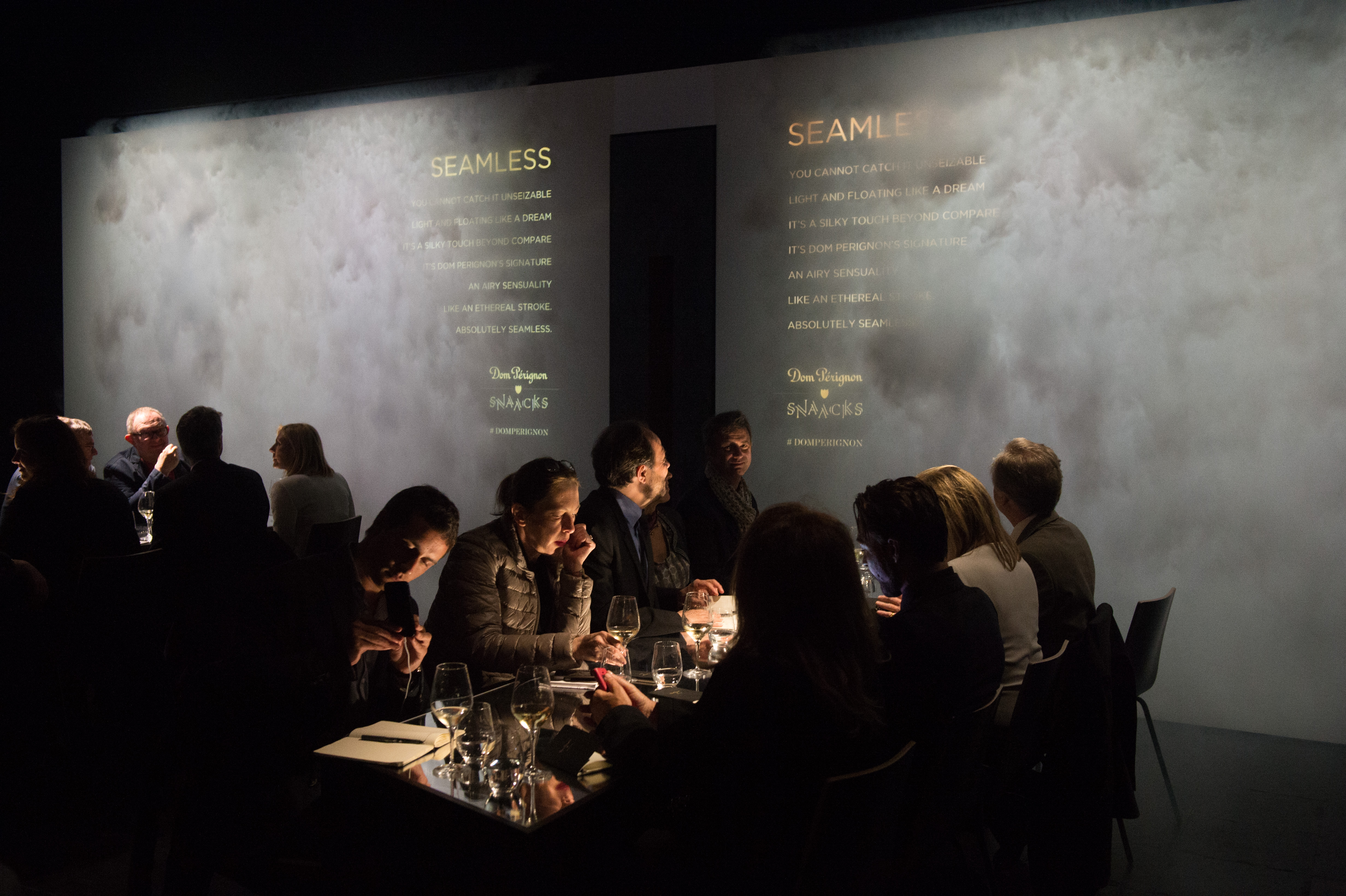
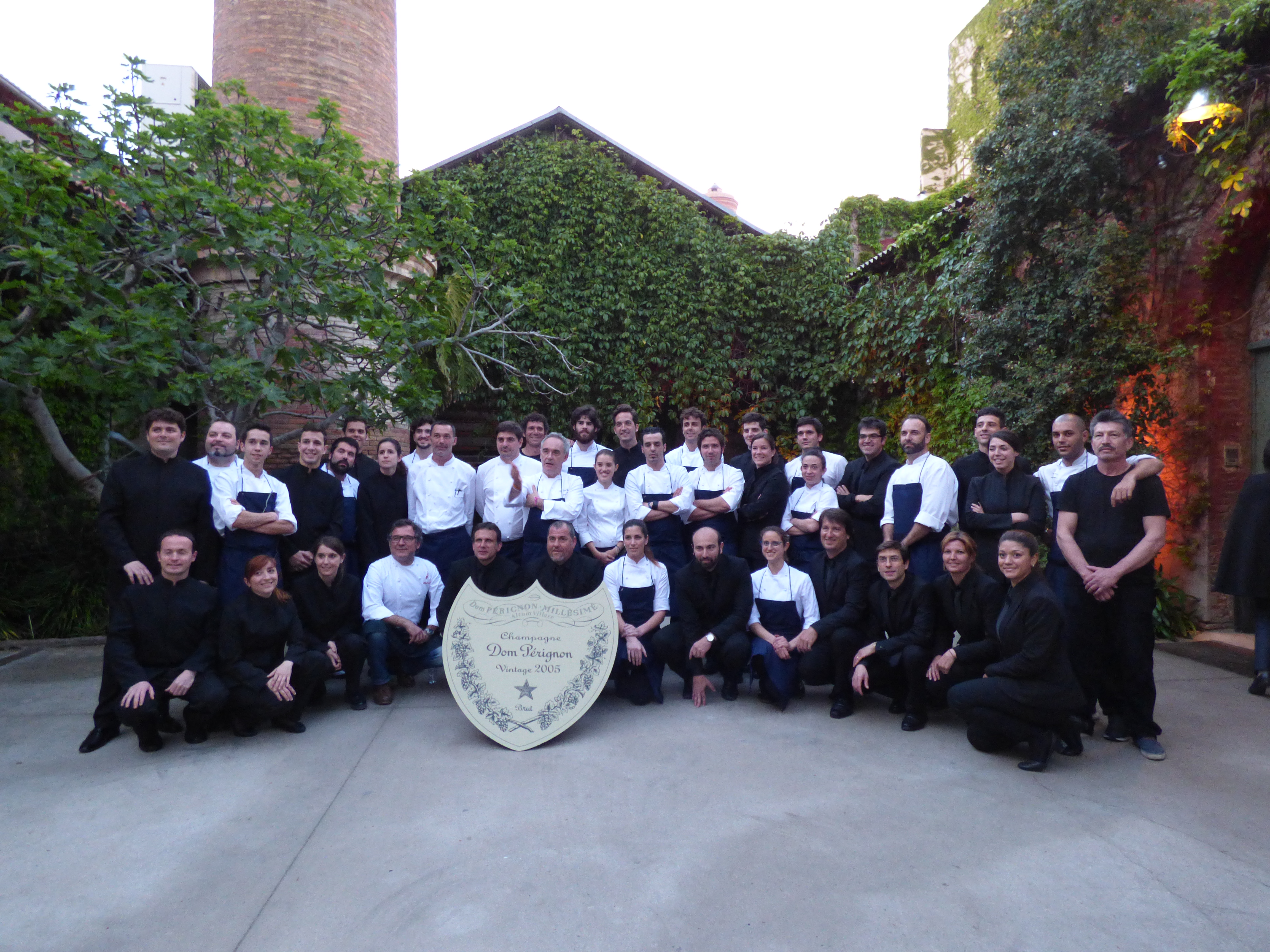
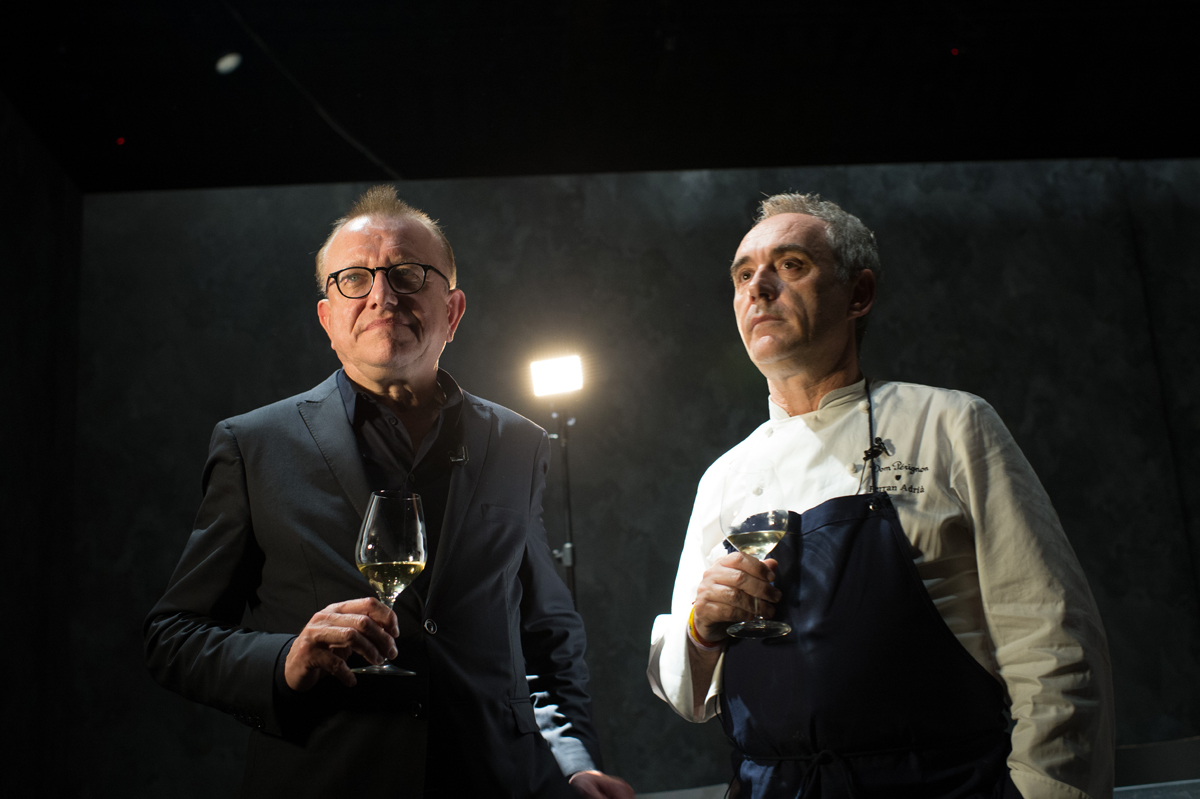
Ferran Adrià returns to the kitchen for four days, cooking for Dom Pérignon as part of the launch presentation of the Dom Pérignon 2005 Vintage champagne and following collaboration between Dom Pérignon and elBullifoundation in the “Decoding Dom Pérignon” project. The conceptualisation and realisation of the event “This is not a Dinner” in Barcelona (April 13th, 14th and 15th at Palo Alto) and in Japan (May 12th at the Brick Warehouse Network in the port city of Yokohama) forms part of an in-depth study of the experiential process.
Applying the Sapiens methodology in partnership with the team from Dom Pérignon, we mapped the wine’s genome in order to explore what makes this brand of champagne special.
A shared quest to identify and define what makes Dom Pérignon so unique and original, allowing the company to examine and question its present state and future prospects.
What were the first steps in prehistoric cooking? In a book published exclusively for CaixaBank clients, Ferran Adrià, through more than a hundred drawings, offers a theory that explores the evolution of human abilities and their application to a most important use: cooking.
This project began in 2002, when we launched a publishing project called elBulli: General Catalogue, which included part of the content in digital format on a CD.
This content has since been made available through an online project that can be accessed following a book purchase from the General Catalogue.
It includes all the information about the 1,846 recipes created during Ferran Adrià’s career at the head of elBullirestaurante.

Between September and November 2015, the first edition of this project took place in collaboration with Esade, applying Sapiens to the creative process of a specific company: Roca. The project put the Sapiens methodology to the test within a purely business context.
Talentum is Telefónica’s platform to promote young talent, offering different types of scholarships, training, events and hackathons.
Through this program, a group of young university students and graduates from the disciplines of technology, communications and design joined the elBulliLab team and together explored the world of new technologies in areas such as social networking, websites, digital classifications and communications, etc.
Documentary directed by Luís Germanó and produced by Paramount Channel and Fundación Telefónica. The documentary was shot on 19th February 2015, as an experiment-experience designed as a companion piece for the exhibition titled “Ferran Adria: Auditing the Creative Process“.
The documentary relates the experience of eight diners placed around a table that served as a replica of the former elBullirestaurante, located in the Espacio Fundación Telefónica, where the exhibition was held.
The diners sampled a conceptual tasting menu, while learning from Ferran Adrià about how the creative process of elBullirestaurante developed. The documentary took part in the “Culinary Zinema: Cinema and Gastronomy” section of the 63rd edition of the San Sebastian Film Festival.
The third architectural and conceptual project for elBullifoundation in the Cala Montjoi site (which was later rejected), detailing the story of the project from the moment of elBullirestaurante’s closure on 30th July 2011, right up to the building’s transformation into elBullifoundation, was exhibited at the Palau Robert in Barcelona between June and August 2014.
The exhibition gave prominence to the three main projects undertaken by the foundation: elBulli1846 – an exhibition space devoted to the presentation of the architectural project with all its plans and modelling; elBulliDNA – a investigative project directed towards the themes of creation and innovation, made up of research teams comprising multidisciplinary talents and capacities; and Bullipedia – a project to create an encyclopaedia of the Western fine dining sector.
Sapiens is, above all, a way of thinking… the one we follow in elBullifoundation. It is based on the belief that before taking action it is necessary to fully understand a given subject. Sapiens is a commitment to a generalist and transversal approach at a time when short-termism and specialisation are predominant mindsets.
Based on systems thinking and systems theory, Sapiens is a methodology for research, for connecting different fields of knowledge and understanding through a holistic and systemic vision. The fundamental concept is simple (… that everything is connected), but the theory is complex. We also have a commitment to publishing our results and making them accessible to the general public.
Sapiens has particular principles and methods. The precision of processes, phases, techniques and tools varies depending on the topic studied, given that some need more input from one particular type of knowledge, while others may not require everything that was originally planned. Sapiens is a flexible methodology in which the details of its application have to be defined for each investigation.
The ultimate goal of Sapiens may simply be to manage information, knowledge and learning. However, it is also a tool for education, communication, for improving quality, efficiency and the ability to create and innovate. An in-depth understanding of a given topic is the basis from which we work to achieve these goals.
Sapiens is the guiding light that informs all elBullifoundation projects.
An international tour organised by Phaidon visiting the United States, Canada, Australia, the United Kingdom and China to present the English and Chinese versions of the elBulli General Catalogue 2005-2011.
Canada (March 2014): Vancouver and Toronto.
The United States (March 2014): Seattle, New York and Chicago.
Australia (April 2014): Perth, Sydney, Brisbane and Melbourne
The United Kingdom (June 2014): London
China (October 2015): Shanghai, Shenzhen and Hong Kong.
elBulli 2005-2011: How To Spend It Hong Kong Dinner
The elBulli General Catalogue 2005-2011 is published, a global project carried out in three languages by the publishing house Phaidon: in English (2014), Chinese (2015) and Spanish (2016).
elBulli General Catalogue 2005-2011 constitutes the end of a project that began in 2002 with the publication of the first volumes of the General Catalogue, and continued in 2003 and 2004. The last edition completes a 10,000-page work detailing all the dishes served at elBullirestaurante from 1987 to 2011, containing, in addition, an analysis of the evolution of dishes from 1983. It is an essential work for understanding elBulli.
During the period of just over three years (April 2014 – June 2017), elBulliLab functioned as a research centre, located in a 1,500m² workspace on Carrer de Méxic 17, in Barcelona.
At elBulliLab, which could be conceived of as a pop-up lab, we dedicated ourselves to building the best possible ecosystem to promote efficiency and develop a durable creative system that incorporates immediacy, flexibility, a focused concentration, multitasking and related skills – fundamental themes for the restaurant world – into our research and analysis.
Within this ecosystem, we found that knowledge is key to the creative system. We used fine dining as a language, constantly contextualising it in relation to other professions, industrial sectors and academic disciplines.
We classified gastronomy with a view to learning what information was needed to understand it, then took this as a starting point for gathering knowledge. This work resulted in the Sapiens methodology, itself a product of elBulliLab.
Content was also created at elBulliLab and published in different formats: books, apps, exhibitions, etc. Subsequently, the results of this research has been reproduced as curated content, designed to contextualise and understand any given project. This curated content is gradually being edited and published in the creation of Bullipedia.
In 2018 the workspace was converted into LABulligrafía, elBulli’s museum archive, which is both physical (off-line) and digital (on-line). The Sapiens team also occupied part of the workspace in order to carry out the development of the Bullipedia project. Since 2020, the Sapiens team has been working in both LABulligrafía and elBulli1846.
Sapiens for the Western Fine Dining Sector relates to the application of Sapiens methodology to examine this particular theme. Thanks to the holistic vision of this methodology, we are able to perceive that the development of the fine dining sector can occur in three distinct phases: before the opening of the restaurant, while the restaurant is operating and at the time of closure or transformation of the restaurant.
In our case, we focus our study on the period during which the restaurant remains open to the public, although we have also developed a management model exploring the stages prior to its opening. This analysis is based on the identification of tasks, processes and sub-processes.
Sapiens for the Western Fine Dining Sector was the driving force behind the work carried out at elBulliLab in Barcelona from 2014-2017, contextualising the project in relation to other professions, industrial sectors and academic disciplines.
In June 2014, a further challenge was carried out jointly with the Escuela de Diseño e Ingeniería Elisava in Barcelona as part of the collaboration agreement. The mission of this project was to explore conceptually the narrative and exhibitional aspects of the portrayal of the creative process at elBulli1846.
A detailed study examining the potential for future exhibitions and contemplating how to conceptualise an Exhibition Lab vs the more conventional experience of contemporary museums.
In May 2014, a framework collaboration agreement was established between the Fundación Privada Elisava Escuela Universitaria and elBullifoundation. Its mission was to undertake numerous joint projects to promote and encourage the growth of a culture of design and gastronomy.
One of the first projects to be carried out was a research challenge to evaluate conceptually what a visit to elBulli1846 should articulate in the period before, during and after entering the centre.